malvernmugadzikwa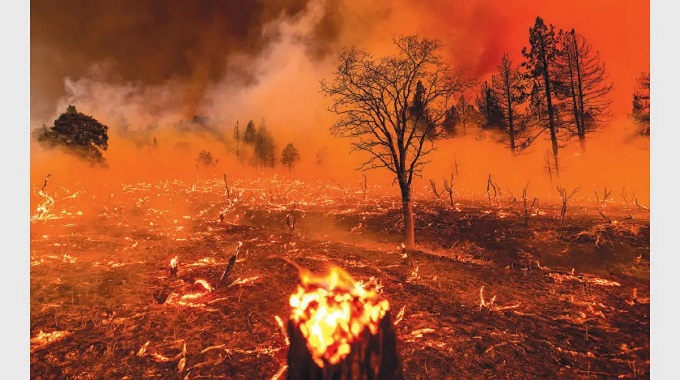
Lisa Matasi
OVER 500 000 hectares of land and forests have been destroyed by veld fires so far this year, down from last year’s 1 080 407ha, the Environmental Management Agency (EMA) has said.
At lest 2 518 incidents of veld fires have been recorded since the onset of the veld fire restriction period, which runs from July 31 to November 30, with one death recorded.
The burnt area and fatalities have declined, as 1 080 407,29ha had been burnt in 4 612 fire incidents, while four fire-related deaths were recorded in the comparable period in 2022.
The five most affected provinces are Matabeleland North, Mashonaland West, Mashonaland East, Mashonaland Central and Midlands.
EMA environmental education and publicity manager Ms Amkela Sidange said: “In an effort to reduce fire incidents and losses to veld fires, the agency has intensified law enforcement, and this year alone, 21 dockets have been opened and 67 tickets issued to those found violating the laws on veld fire management. “Continuous issuance of environmental protection orders is still ongoing to remind farmers and landowners to put in place fire prevention measures, and so far, 3 878 orders have been issued.”
According to Statutory Instrument 7 of 2007, it is a punishable offence to light a fire outside residential or business premises during the fire restriction period.
Ms Sidange encouraged farmers preparing for the summer cropping season to avoid burning crop residue.
“Farmers, however, can harvest stover (leaves and stalks of field crops left in the field after harvesting) for stock feed or use it for mulching under Pfumvudza, as guided by Agritex officers.”
The fire awareness campaign is running under the theme “Prevent veld fires, protect the environment — our natural heritage”.
Since the launch of the national fire week in the second week of May, EMA has been raising public awareness and engaging in capacity-building on veld fire management through training of fire committees and firefighting teams, among other activities.
Community structures composed of members trained in veld fire management have also been established.
“These structures increase the capacity of communities to prevent occurrence of fires, put out fires, assess damage from fires and investigate causes of fire and initiate prosecution. They also disseminate critical information on veld fires to their community members,” she added.
Climate change management director in the Ministry of Environment, Climate and Wildlife Mr Washington Zhakata said veld fires emit dangerous gases that accelerate global warming thus exacerbating climate change.



 Online Reporter