Rutendo Nyeve
[email protected]
TRADITIONAL leaders from Zimbabwe and Zambia have jointly called for the economic benefits of the Victoria Falls/Mosi-oa-Tunya World Heritage Site to be felt in the homes and daily lives of local communities, while stressing that any development must respect the heritage that makes the site special.
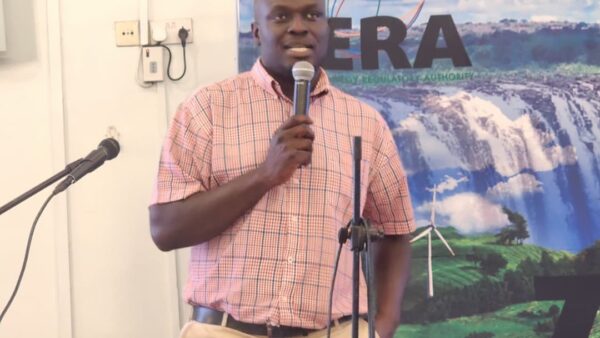
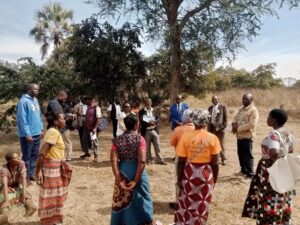
Speaking at a capacity-building workshop on entrepreneurship held in Victoria Falls recently, Chief Hwange of Zimbabwe and Chief Musokotwane, representing the Zambian traditional leadership, said the iconic waterfall is more than just a tourist attraction.
“Mosi-oa-Tunya/Victoria Falls World Heritage Site is not only a place of natural beauty. It is also part of our history, our identity, our culture, and our way of life,” said Chief Hwange.
“Our forebears lived in this land, respected it, and passed on knowledge, values, stories, practices, and traditions that continue to give meaning to our communities today.”
The workshop brought together traditional leaders, Government representatives, heritage authorities, and partners including the African World Heritage Fund and UNESCO to discuss how communities near the site can develop sustainable livelihoods through tourism and heritage-based enterprises .
Chief Musokotwane echoed these sentiments, describing the falls as a living heritage that connects people to their ancestors and the land.
“Much as is the case on this side of the Zambezi River, to us on the Zambian side, Mosi-oa-Tunya is more than a wonder to be admired. It is a living heritage, a place of memory, identity, and connection between our people, the Zambezi River, our ancestors, and the land that has sustained communities for generations,” he said.
Both chiefs underscored that conservation must go hand in hand with community empowerment.
“If we lose our heritage, we lose part of who we are. If we conserve it well, it can continue to benefit our children and generations to come,” Chief Hwange warned.
Chief Hwange said the workshop must produce tangible results.
“My expectation is that this workshop will not end only with speeches and certificates. It should leave our people with skills they can use, ideas they can develop, and confidence to start or improve businesses that are linked to our heritage and environment.”
He highlighted opportunities in tourism, crafts, cultural performances, guiding, hospitality, and food services.
“The benefits should not be seen only from afar. They should be felt in the homes, businesses, and daily lives of the communities that live near it,” he said.
Chief Musokotwane called for sustainable development.
“As traditional leaders, we support development. But we believe development must be wise, respectful, and sustainable. It must protect sacred places, cultural practices, the river, wildlife, landscapes, and the values that give our communities their identity. True development is that which leaves both the people and the heritage stronger,” he said.
The traditional leaders also called for strengthened partnerships between communities, Governments, heritage authorities, and international bodies to ensure local people are part of decisions affecting their land, culture, and future .
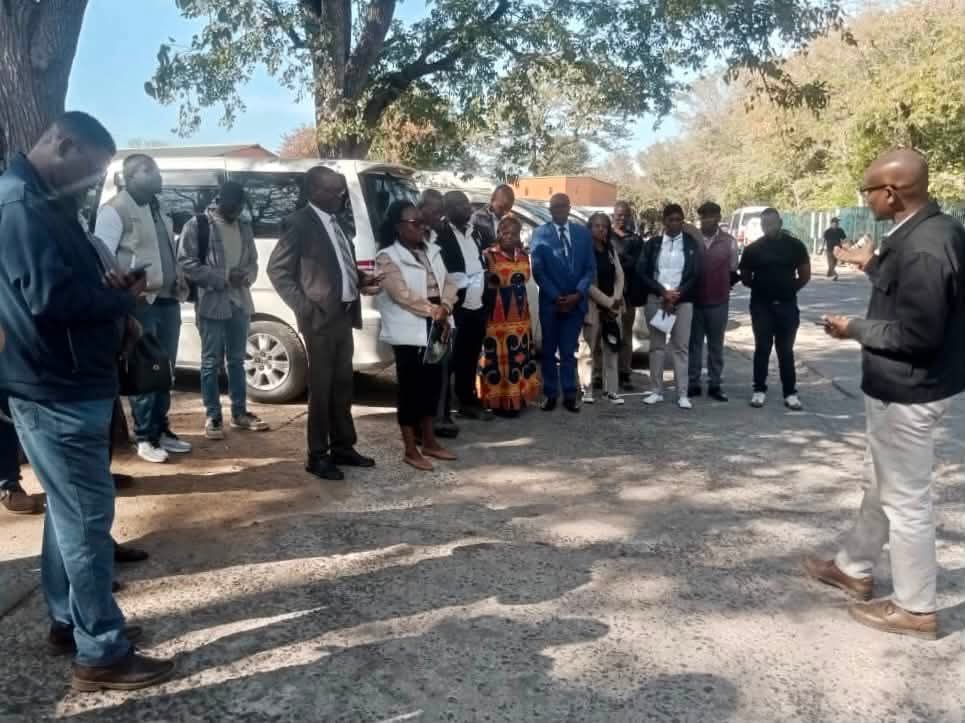
Traditional leadership from both countries toured various entrepreneurship projects at both countries to see how their communities are benefitting as well as monitor the developments.