Rutendo Nyeve, Victoria Falls Reporter
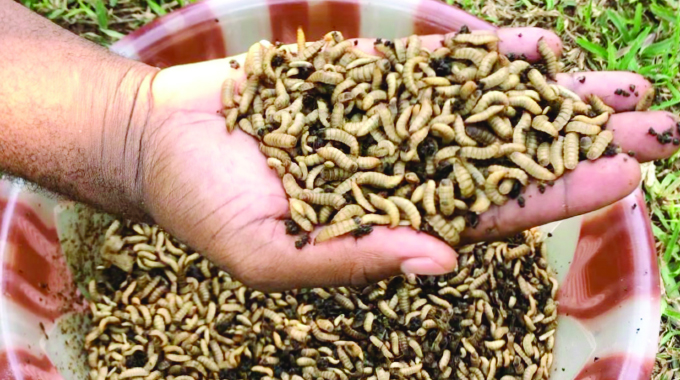
THE City of Victoria Falls has partnered with the Pristine Victoria Falls Society to recycle over 80 tonnes of monthly food waste from the hospitality industry to produce maggots for poultry feed and other eco-friendly initiatives — an innovative move set to tackle waste management challenges.
The project has already shown promising results, and seeks to reduce landfill pressure, create sustainable livelihoods, and promote environmental conservation in the premier tourist destination. Victoria Falls, renowned for its bustling tourism and hospitality industry, generates massive amounts of food waste from hotels, lodges and restaurants.
In a recent interview with Zimpapers, the Victoria Falls City Health Services Officer Mr Michael Ncube, highlighted the urgency of addressing the city’s waste management crisis.
“One of our key functions is to manage waste within the whole city, and our experience of late is that as the city is growing, we are experiencing increased waste,” he said.
“It, therefore, brings the idea that we work closely with other partners that include Pristine. However, the issue at stake here is the issue of land and where we do waste disposal.
“We note that the land where we do waste disposal is diminishing,” said Mr Ncube.
With limited space for landfills, the local authority has turned to recycling as a sustainable solution.
“One of our key approaches to waste production is that we cannot do it by ourselves and as a result, we partnered with this organisation for the purposes of waste recycling,” he said.
Food waste, which averages over 80 tonnes per month, has become a key focus for recycling efforts.
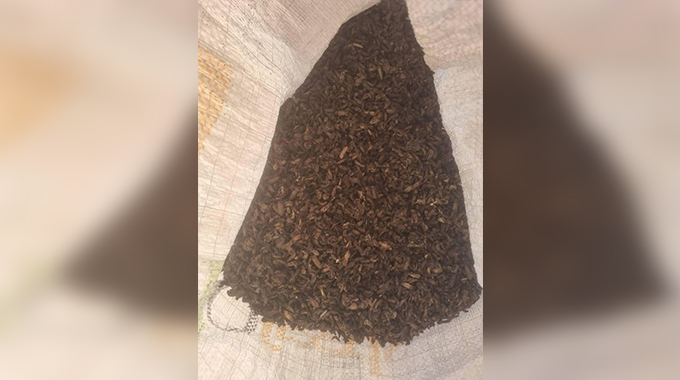
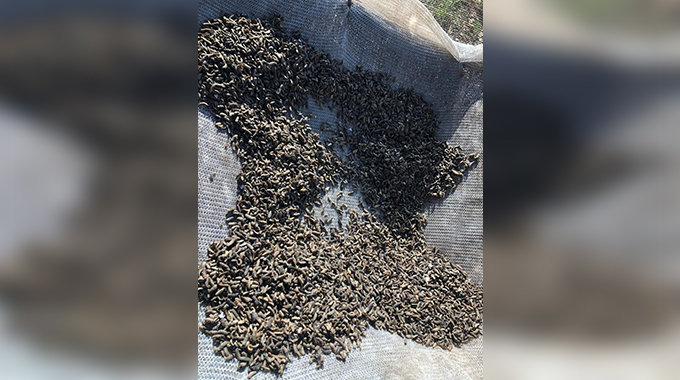
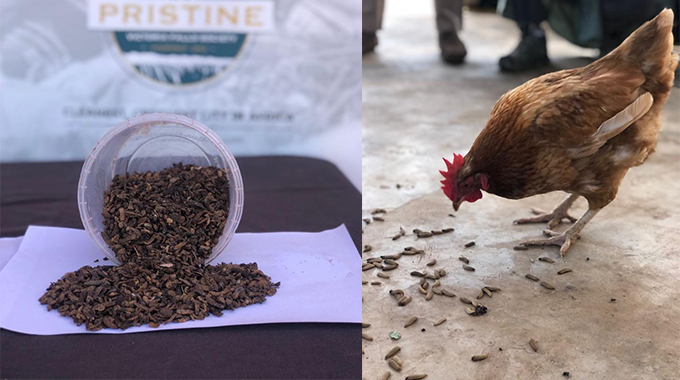
The Pristine Victoria Falls Society has introduced a maggot production initiative, where organic waste is converted into protein-rich larvae used for poultry feed and fish farming.
Mr Douglas Musiringofa, campaign manager for Pristine Victoria Falls Society, described the project as part of a broader eco-friendly agenda.
“Maggot production is one of our flagship projects in promoting a circular economy,” he said.
“By recycling food waste, we not only reduce environmental pollution but also create a valuable product for farmers.
The maggots serve as an affordable, high-protein feed alternative, supporting local poultry producers and reducing reliance on expensive imported feeds,” said Mr Musiringofa.
The initiative also aligns with global trends in sustainable waste management, where organic waste is increasingly being repurposed for agriculture and energy production.
Beyond maggot production, the partnership is exploring additional recycling opportunities, including plastic waste repurposing.
Mr Ncube revealed that the council is collaborating with organisations like Elecollection to recycle plastics into paving materials.
“We are retaining about 20 tonnes of plastic waste for the purpose of rock barriers used for paving.
“As a result, we are benefiting quite a lot, we are saving space and as a local authority, we also look forward to getting benefits in the form of food,” he said.
The council also plans to involve local communities in similar projects to promote self-reliance.
“We look forward to engaging our local communities to do similar projects so that they can benefit from maggot production.
“In the long-term, this council will benefit in terms of self-reliance, saving space, and empowering residents through income-generating projects,” he said.
The Victoria Falls initiative serves as a blueprint for other Zimbabwean cities grappling with waste management challenges.
By turning waste into economic opportunities, the project demonstrates how environmental sustainability can go hand-in-hand with community development.