Online Reporter
Yolanda Mlilo, Sunday News Reporter
MASIBAMBANE and Zamani Presidential Nutritional Gardens in Lupane District, Matabeleland North Province have transformed into thriving village business units (VBUs), improving the livelihoods of more than 100 local beneficiaries, by enhancing food security and generating income.
The VBUs are a key component of the Presidential Rural Development Programme, which seeks to drive rural industrialisation, modernise communities and empower households through agricultural-based employment and income generation.
The programme targets the establishment of 35 000 VBUs and 9 600 school business units by 2025.
The initiative is spearheaded by the Zimbabwe National Water Authority (Zinwa) in collaboration with the Agricultural and Rural Development Authority (Arda), Agricultural Marketing Authority (AMA) and Agriculture Finance Corporation (AFC).
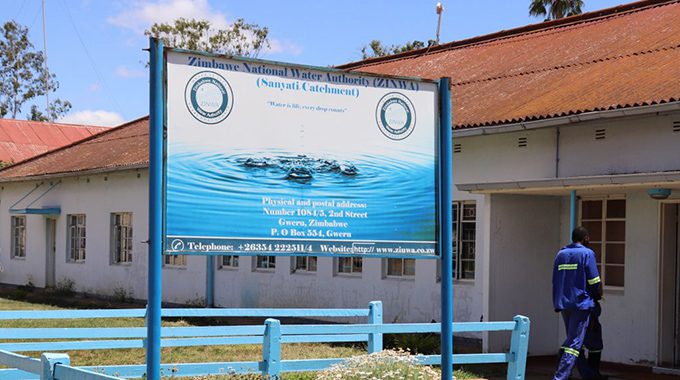
As part of the programme, Zinwa plans to drill 35 000 boreholes in villages across the country, 9 600 boreholes for schools and 4 500 for youth centres. The Masibambane and Zamani gardens have already benefitted from the Presidential Borehole Drilling Scheme.
The gardens are community-driven initiatives designed to empower local farmers, particularly women, by providing them with opportunities to grow and sell produce.
Of the 104 total beneficiaries, 93 are women.
The project is inclusive, welcoming participants of all ages and abilities and it is supported by Agritex extension officers, who offer expert guidance on cultivating a variety of crops, including leafy vegetables, tomatoes, okra, maize and carrots.
Beyond economic benefits, the gardens have created employment opportunities and improved livelihoods. Farmers can now sustain their households, pay school fees and contribute to local food supplies.
Kusile Rural District Council’s chief executive officer, Mr Sifiso Hadebe said participation is open to all interested villagers regardless of age or gender.
“The number of people varies from garden to garden. Masibambane has 34 beneficiaries, while Zamani has 70 beneficiaries and the number is not limited and all those interested within the villages can participate,” he said.
Mr Hadebe said the two village business units produce a variety of vegetables for selling purposes and household consumption.
“A variety of crops are grown, including leafy vegetables, tomatoes, okra, maize and carrots, among other horticulture species that have a ready market. Beneficiaries are now able to sustain themselves and pay fees for their children,” he said.
“This project is inclusive and voluntary, allowing individuals of all ages and health conditions to participate. All age groups are free to be part of the farmers.”
Lands, Agriculture, Fisheries, Water and Rural Development Ministry Permanent Secretary Professor Obert Jiri, said the VBUs represented more than just agricultural plots as they are comprehensive business ventures aimed at improving community livelihoods.
He said the VBUs create jobs and stimulate local economies, helping families achieve financial stability.
This year alone, 75 of these units have generated over US$200 000 in total sales, showcasing their pivotal role in spurring rural industrialisation, while addressing critical gaps in food supplies, income generation and employment opportunities.