Online Reporter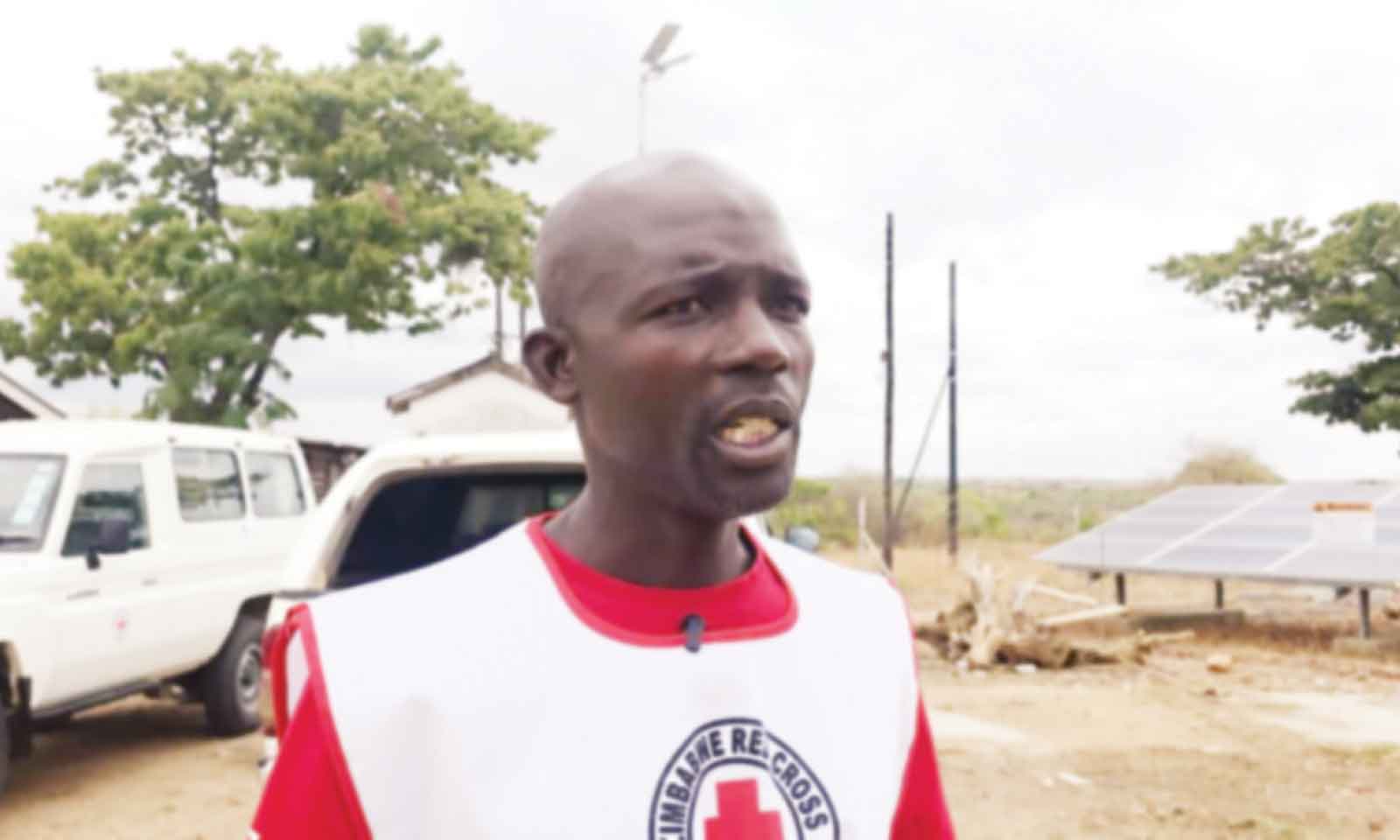
Conrad Mupesa
Features Writer
THE ring of a cellphone pierces the thick Nyakasikana Village in Hurungwe, Mashonaland West Province, every night.
Village health worker, Mr Fundai Gozi, wakes up with a start.
Some calls usually end before he can answer, and he often returns the calls.
Each call at night means he might be walking into the darkness again.
A call for help from a villager sees Mr Gozi stepping outside to render assistance.
With his tiny test kit and torch, Mr Gozi crosses the valley, sometimes walking close to three kilometres to offer help.
“I always tell my wife that, maybe the next call is someone’s last hope and cannot be ignored,” he said.
His wife, he said, usually stays awake until he returns safely.
Mr Gozi is one of more than 500 voluntary village health workers in Hurungwe, trained to test, treat, and educate communities as the province battles a devastating malaria outbreak.
Since January 2025, Mashonaland West has recorded over 25 000 malaria cases and 78 deaths, nearly double the province’s usual annual average of 14 000.
Hurungwe alone has suffered 25 deaths and over 8 000 cases.
“These are not just numbers to us. Every case is a person we know,” Mr Gozi said.
“We operate without airtime or bicycles,” he said.
“Sometimes I get missed calls from people in danger but I cannot respond because the phone has no battery or I have no airtime.”
Charging the phone is a daily struggle.
Without solar power, he must walk to a nearby school and hope a teacher will allow him to use the single power socket.
His colleague, Mr Friday Kavhinga, faces the same challenge.
“I walk to the school almost daily to charge my phone,” Kavhinga said.
“If the phone dies, someone may die too.”
Despite these hardships, the village health workers have helped reduce new infections in some areas.
“There has been a decrease because we are teaching communities to use mosquito nets correctly,” said Ms Sophia Muchairi of Maponga Village.
Villagers are also being urged to clear tall grass, fill mining pits, and properly dispose of containers that collect water, some of the biggest breeding grounds for mosquitoes.
The Government’s efforts have been boosted by the Zimbabwe Red Cross Society, with funding from the International Federation of Red Cross and Red Crescent Societies.
The partners are supporting larval source management, training, community behaviour change programmes, and the distribution of mosquito nets.
“Indoor residual spraying in nine Hurungwe wards has reached over 95 percent coverage,” provincial environmental health officer, Mr Oswald Muchenje, revealed during a monitoring visit to Magunje.
The remaining 17 wards have received free mosquito nets.
Dr Munyaradzi Chidaushe, Hurungwe District medical officer, said the district triggered an outbreak response early in the year.
“We launched rapid response work by week 14 when cases started rising,” he said.
“We are also preparing for the 2026 season, and machines to test kidney function, which malaria can damage, are being installed at Karoi District Hospital.”
Mrs Tariro Kamangira, the IFRC monitoring, reporting and evaluation officer, pledged continued financial support.
“We remain committed to complementing the Government’s efforts. Our focus is on strengthening community-level responses because that is where lives are saved,” she said.