Chronicle Editor
AS darkness envelops Dingani village in Dete, Hwange district, 47-year-old Mrs Gloria Tshuma makes her way to her field where she will join other villagers for a night vigil.
The vigil is a long night of bonfires, beating of drums, blowing of vuvuzelas, whistling and shouting to scare away elephants.

“This is the life we have become accustomed to. Our worry is that the invasions have become more frequent over the past seasons and if one doesn’t do this, hunger is inevitable,” said Mrs Tshuma.
For the villagers of Dingani under Silewu ward whose fields border with the forestry area, a wildlife corridor, human wildlife conflict has become more common. The area, as its most parts of the district, is dry, arid and experiences low rainfall.
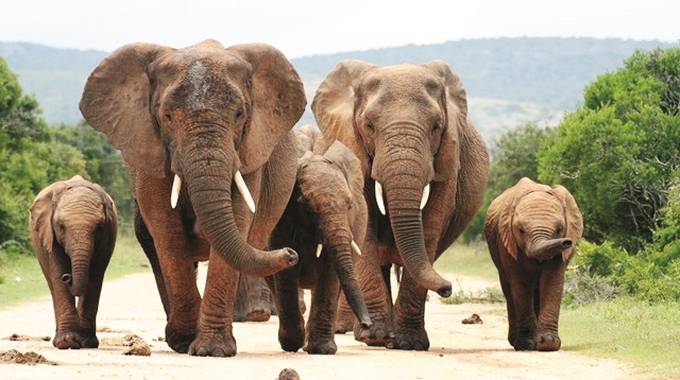
Its soils are less productive and rocky for the production of maize staple crop, forcing villagers to resort to drought tolerant small grains such as millet which unfortunately are not spared either by elephants.
Villagers like Mrs Tshuma were resettled in areas adjacent to Hwange National Park, home to the largest population of African elephants in the colonial era.
Silewu ward Councillor, Olpha Mujele Lisutu said they are food insecure because of human-wildlife conflict.
“We are really affected by wild animals, especially elephants, which are a major problem particularly during this season. This has forced villagers to sleep in the fields with fires which is risky because you may never know in which direction the elephants will attack from.”
Her counterpart, Mabale ward Councillor, Joseph Bonda echoed the same sentiments.
“Elephants continue to wreak havoc in the fields, more so because of shortages of food in the forest as a result of drought. To make matters worse this year we did not get enough rainfall and the little we thought we would harvest is being targeted by these elephants,” he said.
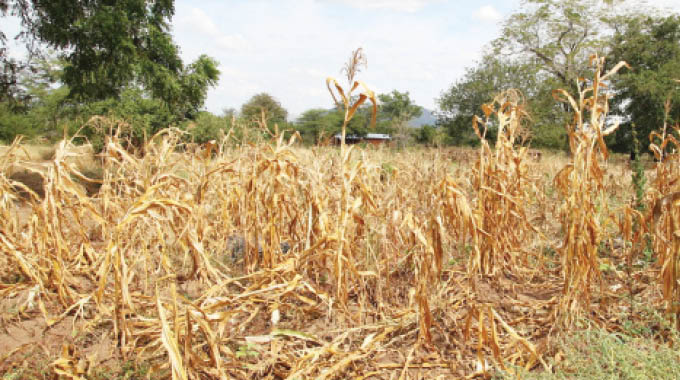
The unprecedented impacts of climate change such as devastating droughts, deadly floods and environmental degradation are fuelling further human-wildlife conflict. During droughts, African elephants can leave protected sites and enter agricultural areas in search of food. This can lead to crop damage.
Zimparks spokesperson, Mr Tinashe Farawo also believes climate change is fuelling human-wildlife conflict.
“We have been having inconsistencies in terms of rainfall patterns and this will force animals to move into communities in search of water and food,” he said.
Mr Farawo says 68 people were killed by wild animals in 2021.
“These cases are happening when people are trying to scare away these animals from their fields or when there is competition for water with the animals. We are also working with a lot of partners, and NGOs to make sure that we put mechanisms in place to protect lives, crops and property,” he adds. (Source: Citizen bulletin)



 Online Reporter