Ray Bande
Senior Reporter
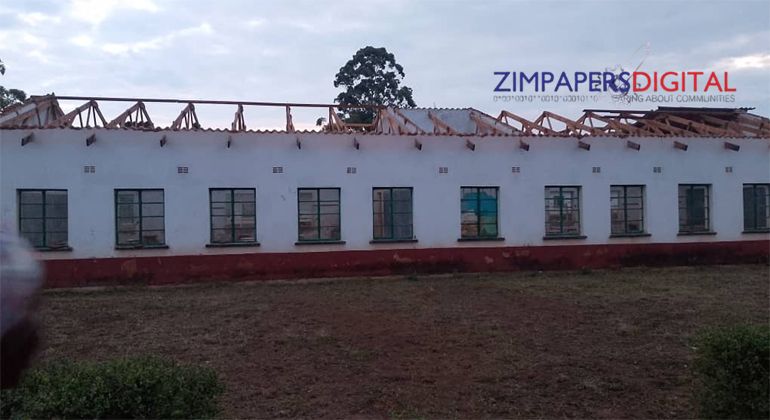
THIS week’s violent weather – which claimed a life in Headlands, and left a trail of destruction in some parts of Manicaland and Masvingo provinces – is consistent with the transition from the cool, dry season to the warmer, wetter part of the year, the Meteorological Services Department has announced.
A cluster of severe thunderstorms affected Masvingo, producing hail and a measured wind gust of up to 60 knots, about 111 km/h.
The storm cluster moved eastward across the low-lying Save Valley, reached Chisumbanje, and affected higher ground in northern Chipinge, including the Ngaone area.
The violent weather, which left a trail of destruction to buildings and infrastructure, also claimed the life of Headlands’ Yorkshire Secondary School Development Committee chairman, Mr Nelson Marimo, after being struck by lightning on the school grounds.
The incident happened as Mr Marimo (52), was leaving the school after attending a meeting.
A provincial analysis report released yesterday, Manicaland Provincial Meteorological Officer, Mr Obedience Nhongo, noted: “In Manicaland, the available evidence indicates that strong winds were the main cause of the reported damage.
“Hail cannot be ruled out, but its occurrence could not be confirmed because the storms reached the affected areas at night. Rainfall was highly uneven: Chipinge town recorded 25,6mm and Buhera 8,4mm, while Mukandi, Nyanga and Grand Reef Airport, recorded no rainfall.
“This is consistent with the transition from the cool, dry season to the warmer and wetter season. An isolated severe storm, however, should not by itself be taken as the start of the rainfall season.”
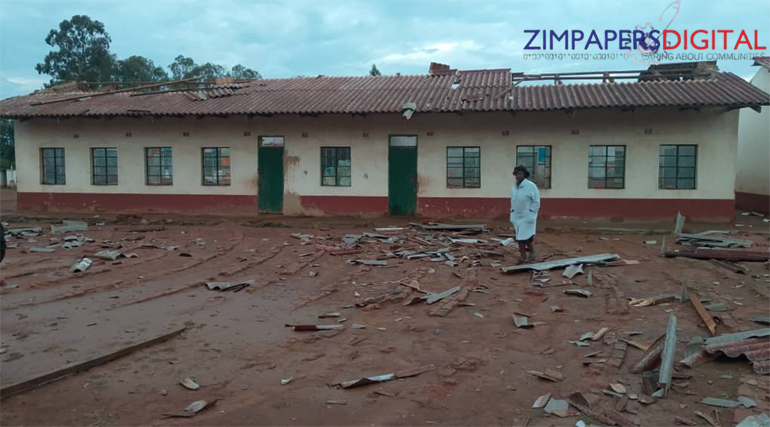
Mr Nhongo said strong winds are the most defensible primary explanation for the damage in Manicaland.
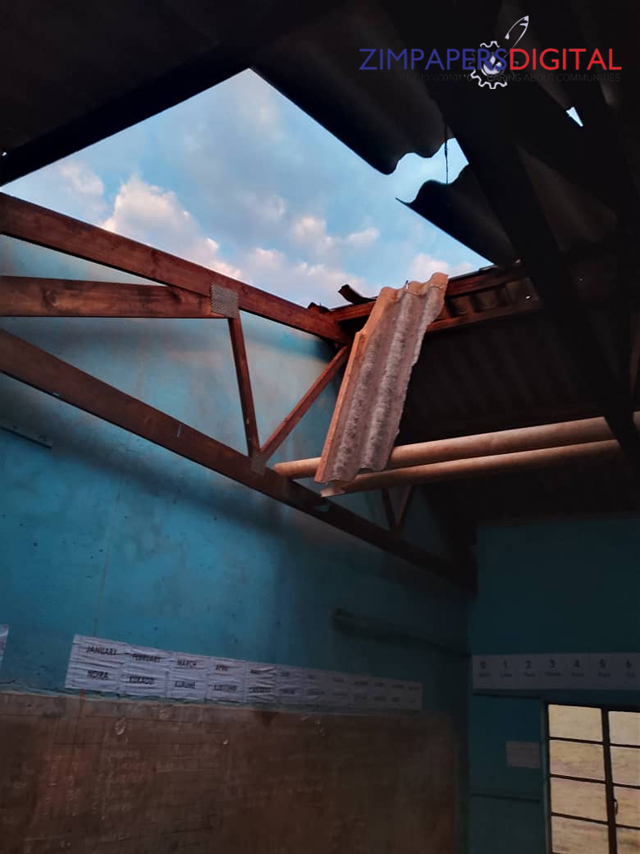
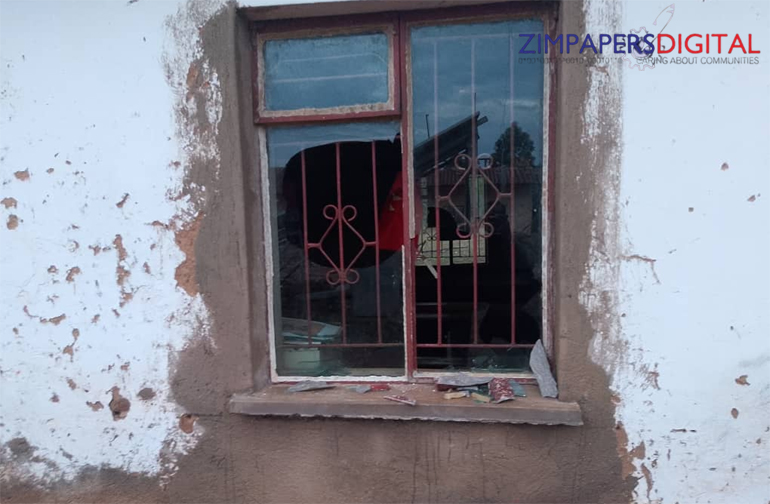
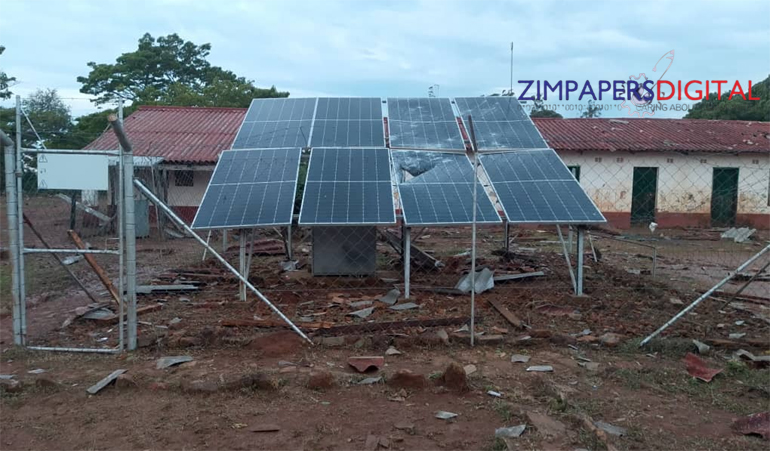
“The storms reached Manicaland at night, affecting Chisumbanje first, and then northern parts of Chipinge. Chipinge District Disaster-management Committee reported notable destruction in affected areas, including holed and stripped roofing, broken windows, cracked solar-panel glass and widespread debris. Rainfall was also highly uneven across the province.
“Chipinge town recorded 25,6mm, the highest total among the reporting stations, while Mukandi, Nyanga and Grand Reef Airport recorded no rainfall. The relatively higher totals at Chipinge and Chisumbanje correspond more closely with areas affected as the storm system moved eastwards, while the much lower or zero totals at stations outside the main track reflect the sharp rainfall gradients commonly associated with individual thunderstorm cells,” he said.
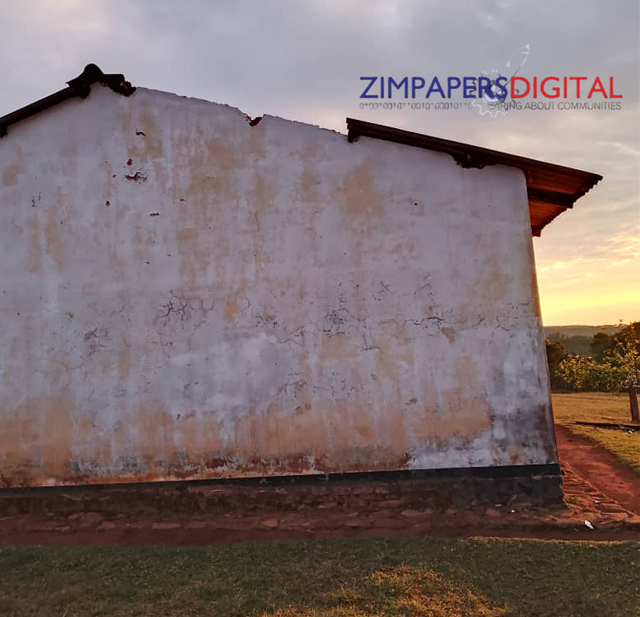
Mr Nhongo also explained the reasons behind the occurrence of such weather conditions this time of the year.
“Why this kind of weather happens at this time of year? From October into November, increasing solar heating raises daytime temperatures while moist air begins to return from the Indian Ocean. The combination of heat, moisture and a lifting mechanism provides the basic ingredients for thunderstorm development during this transition period.
“Thunderstorms during this period can be highly localised: one area may experience damaging winds, hail and heavy rain while nearby stations record little or no rainfall. The principal hazards include lightning, hail, sudden strong winds and short-duration heavy rainfall that may cause localised flooding. Hail develops when strong updrafts carry water droplets into freezing levels, while descending air and storm outflow can produce damaging surface winds,” he said, further illustrating the localised character of the thunderstorms, while sharing advice of safety practices during such weather conditions.
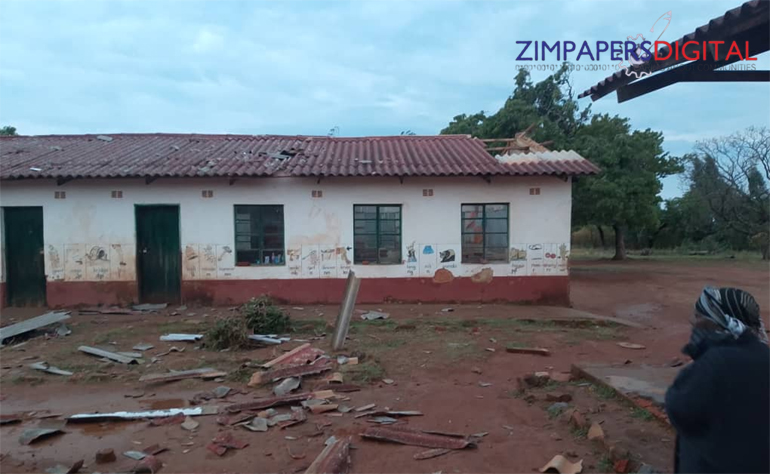
“Shelter in a solid building. Stay away from trees, open ground, and metal objects. Keep away from windows during hail and strong winds, and do not use electrical appliances connected to the mains during lightning. Stay clear of fallen power lines, damaged buildings and flooded streams and rivers.
“Before the season, check that roofing sheets are properly fixed and tied down. Follow the MSD forecasts and warnings, and instructions from civil protection authorities,” said Mr Nhongo.