Online Reporter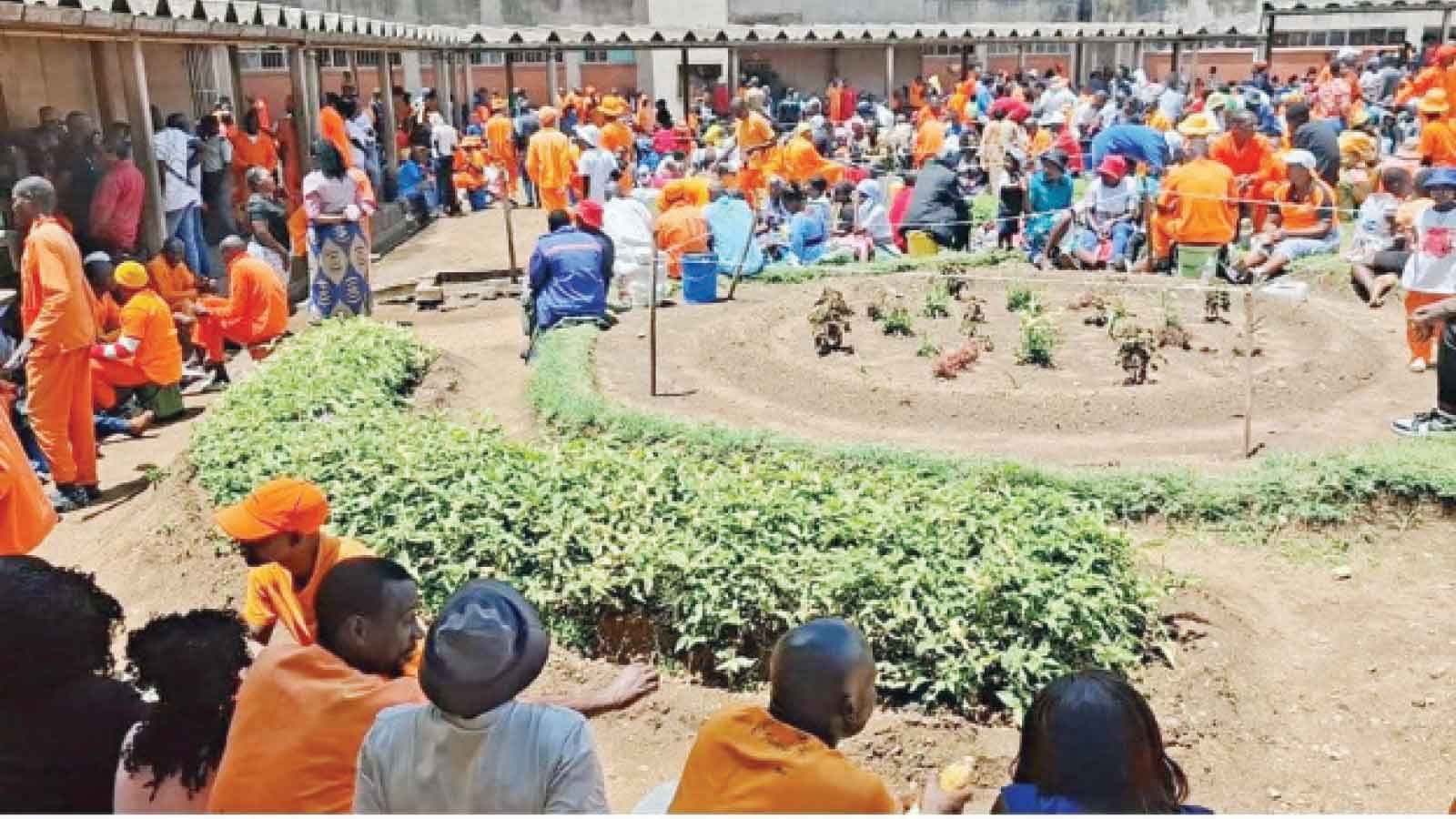
Veronica Gwaze
OUTSIDE the heavy metal gates of Chikurubi Maximum Security Prison, the air hummed with the nervous anticipation of hundreds that were waiting to get in.
Behind the walls were man clad in orange prison garb who were bracing for moments they had dreamed of or dreaded — a fleeting taste of family, a reminder of home or the crushing silence of an empty chair.
Visitors had come from all over the country clutching bags filled with groceries and gifts.
They duly made their way through the tall heavy metal gates of the penal facility to see their jailed loved ones.
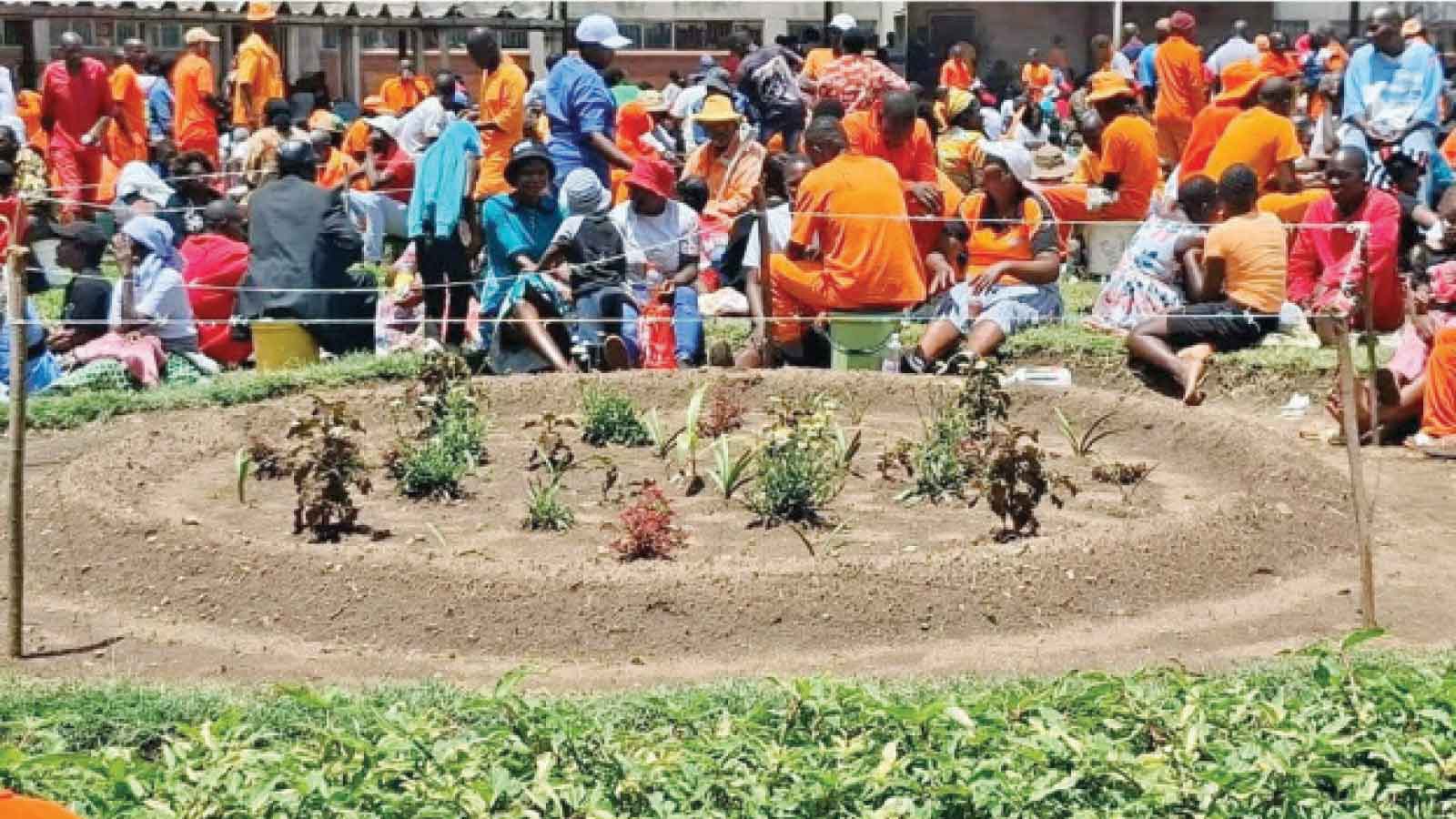
Inside the prison yard, the moments of reunion brought a mix of joy and pain.
The groceries were more than just food and toiletries but a sign of love, forgiveness and hope.
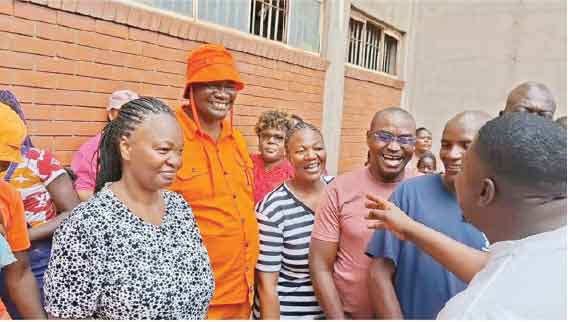
On this occasion, the Zimbabwe Prisons and Correctional Service (ZPCS) had convened Family Week as part of the build-up to Christmas.
For seven days, the rigid rhythms of incarceration softened.
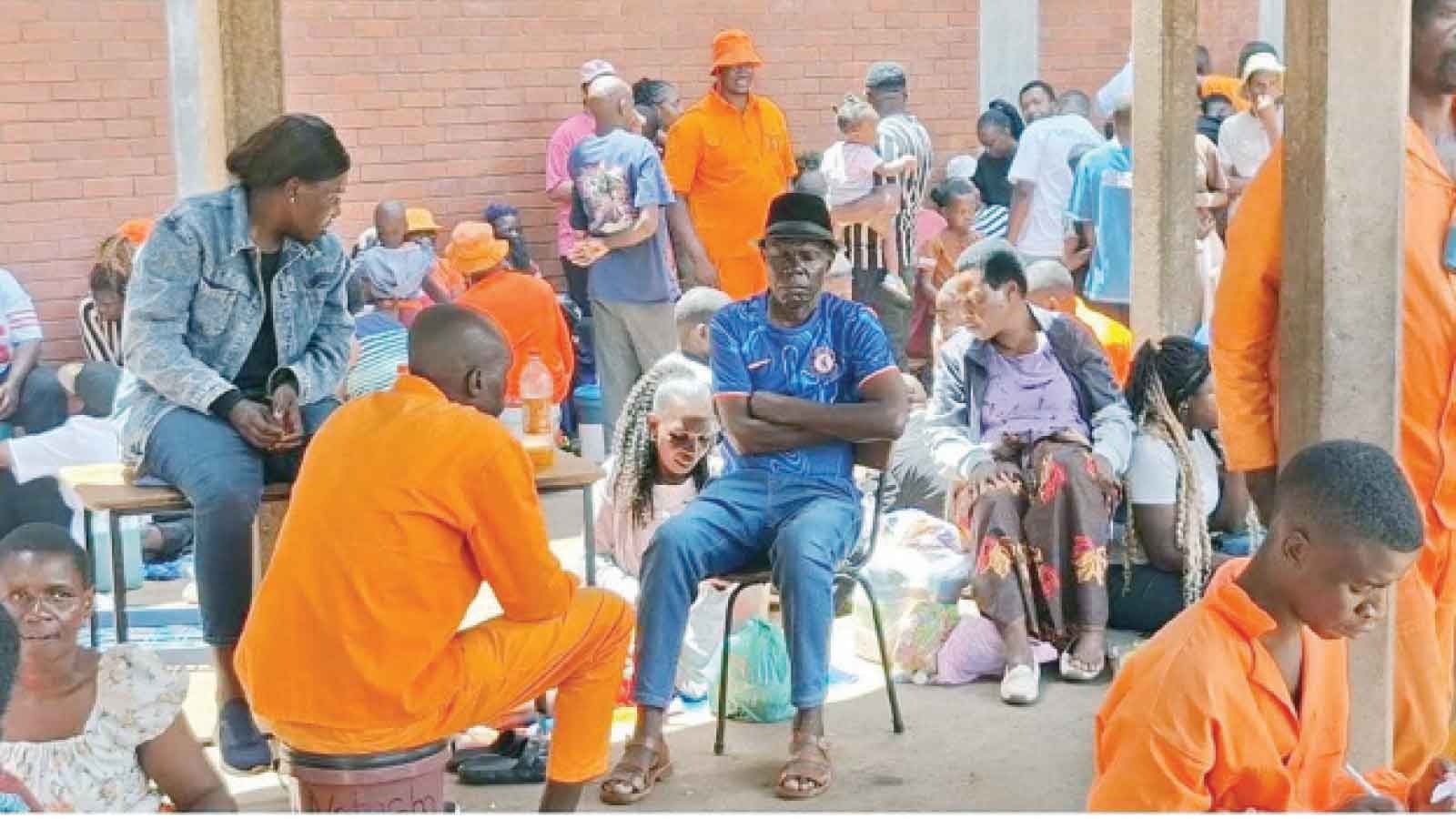
Laughter and the scent of grilled meat wafted across the yard as families embraced loved ones they had not seen or touched in years.
In essence, the programme is designed to allow families, friends and siblings to visit their loved ones at various prison stations between 9am and 3pm.
During the week, inmates can enjoy braai with their loved ones and have up to 10 visitors per day.
ZPCS’s objective is to promote family bonds, emotional support and successful rehabilitation and reintegration of inmates.
It is also a moment to start rebuilding bonds and prepare for life beyond the prison walls.
For many, the camaraderie brought a comforting sense of normalcy and hope.
“I was sentenced to nine years in prison for stock theft and I have served four already … This is the first time that my parents have come to visit me,” said a teary-eyed Casper Dube.
“I have lived with a heavy heart for years and I am glad today God answered my prayers. I feel different already and happy that they forgave me.”
Earlier this year, Luckmore Zingoni was sentenced to an effective 13-year prison term for a series of unlawful entry and theft.
His wife, Stella, made the journey from Seke with their three-year-old son to visit him, bringing along some groceries.
When they met, the couple had a long embrace before both were overcome with emotion, breaking down in tears as Zingoni begged his wife for forgiveness.
“Thirteen years is a very long time; I do not know how she is going to endure or provide for our son,” he said.
“I started stealing to provide for them, but it does not justify the crimes I committed, and even if she decides to remarry, I cannot blame her.
“I am grateful that she came to visit me and allow me to see our son. I did not expect that, and I am grateful for her forgiving heart.”
Lonely week
While many families embraced the opportunity to visit their incarcerated loved ones, filling the halls with conversation and connection, other inmates endured a lonely week.
They sat alone in quiet corners — a silent testament to fractured relationships or faded ties.
As the week ended, the prisoners were gently reminded that while family offers strength and security, self-forgiveness and resilience are equally important.
Phineas Sulu Mhlanga, born and raised in Checheche, once had a voice that echoed across the streets.
A former journalist, husband and father of two, his life took a turn for the worse in March 2023.
Convicted of murder, Phineas was sentenced to 23 years in prison with eight years set aside, leaving him to serve an effective 15.
Behind the cold walls, the man who used to tell stories now wrestled with the harsh silence of loneliness.
His wife remarried and his children have to grow up without his guidance.
He says his family — his mother and siblings — have never visited him.
“My father is late, but even my mother and siblings have never visited me,” he said, his voice heavy with despair.
“I feel hopeless, and I am not even sure how my children are surviving considering their mother remarried.”
Family weeks in prison, said Mhlanga, are the hardest when one does not receive visitors.
Instead of comfort, they reopen old wounds.
“Now I am uncertain about the life awaiting me beyond the prison gates.
“Will there be a place for me in a family that had moved on without me? Would my children remember me? These questions haunt me.”
Mhlanga carries the weight of a story still waiting to be heard.
He hopes to one day ask for forgiveness from the family of the victim he murdered.
To find solace, he spends most of his time behind bars composing Sungura music.
Currently he has 41 songs, and he hopes to record an album in future.
Another inmate, 52-year-old Simanga Letha, is serving a life sentence after murdering his girlfriend in 2009.
Sixteen years later, he still carries the burden of committing murder and the neglect from his family.
Simanga said he has lost hope of ever getting his freedom back, and that he now views his life as a clock counting down to his last breath.
The father of three regrets cheating on his wife and getting entangled in an extramarital affair that cost him everything.
He is aware that his wife might have moved on without him.
However, despite the distance and silence, Simanga’s heart yearns for something more than mere survival.
He hopes for visits from his family, a chance to say goodbye and find closure where regret has taken root.
“I just want to have a conversation with them, share my feelings and seek forgiveness for the shame that I brought to the family,” he said.
“I am also tormented and wish to reach out to the family whose daughter I murdered and seek forgiveness so that when I die, I do so with a bit of inner peace.”
His friend Forward Chekenyu is also in a similar situation.
Chekenyu, a father of two, said he was a soldier.
In 2013, his life took a sudden change when he was jailed for murdering his close friend and fellow soldier.
He was sentenced to life in prison.
Now, Chekenyu sits behind the “cold” prison walls, a place where hope feels distant.
The prison is quiet, he notes, especially during Family Week, when most inmates are visited by loved ones.
Yet he barely receives any visitors.
“I regret ever committing the murder. This person was my friend, so we had a fallout when he embezzled some funds for a business that we operated together,” he alleged.
“Out of anger, I took a rifle from work, drove to his place and shot him thrice, leading to my arrest.
“My siblings used to visit me, but they have all stopped. I heard that my wife moved on, and I understand her situation.
“I wish my family could just pay me a visit; I need them, a simple chat is all I need.”
Chekenyu is waiting for a chance to heal and maybe — just maybe — to be free in more ways than one.
Together with some of his inmates, he, however, continues to hope that someday he will get some visitors and enjoy some family time.
ZPCS spokesperson Assistant Commissioner Meya Khanyezi said Family Week plays a key role in inmates’ healing, rehabilitation and reintegration process.
“We urge families to make use of Family Week because it also plays a crucial role in inmates’ rehabilitation and reintegration, which is one of our major mandates as ZPCS,” she said.
“It is worrying that most of the inmates who do not receive visitors are psychiatric patients and those serving life sentences . . . that neglect only derails their healing and rehabilitation, hence the need for us as a community to come together and make this a collective effort.”