Peter Tanyanyiwa
Herald Correspondent
Beneath the calm waters of Lake Chivero, one of Zimbabwe’s most important wetlands, an environmental crisis continues to threaten wildlife, public health and the water security of millions of people.
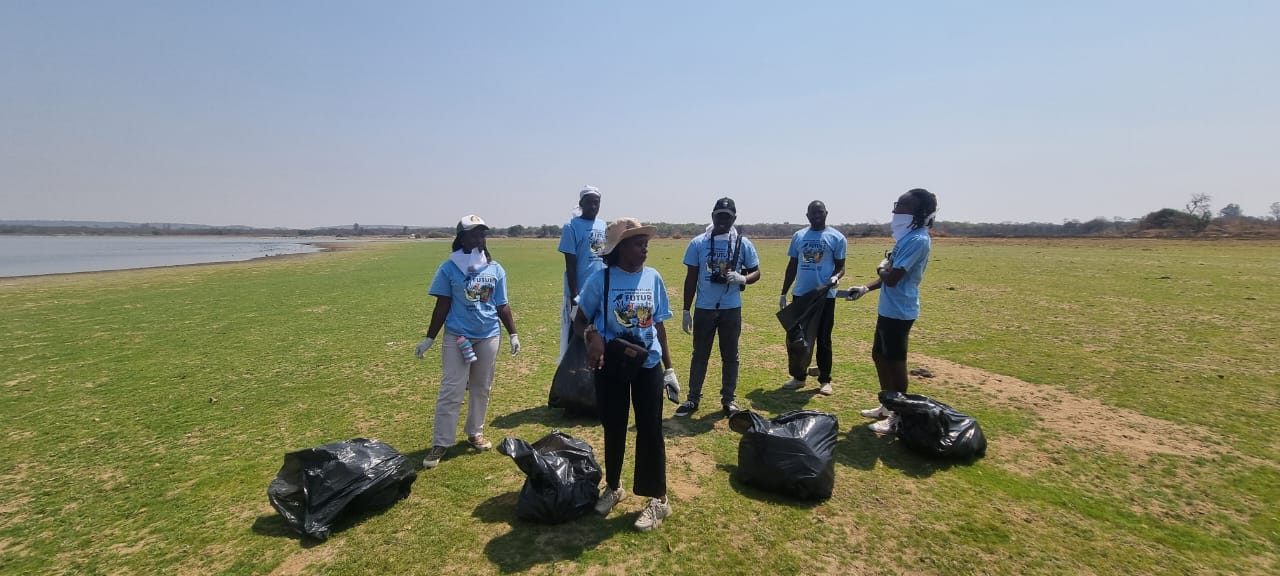
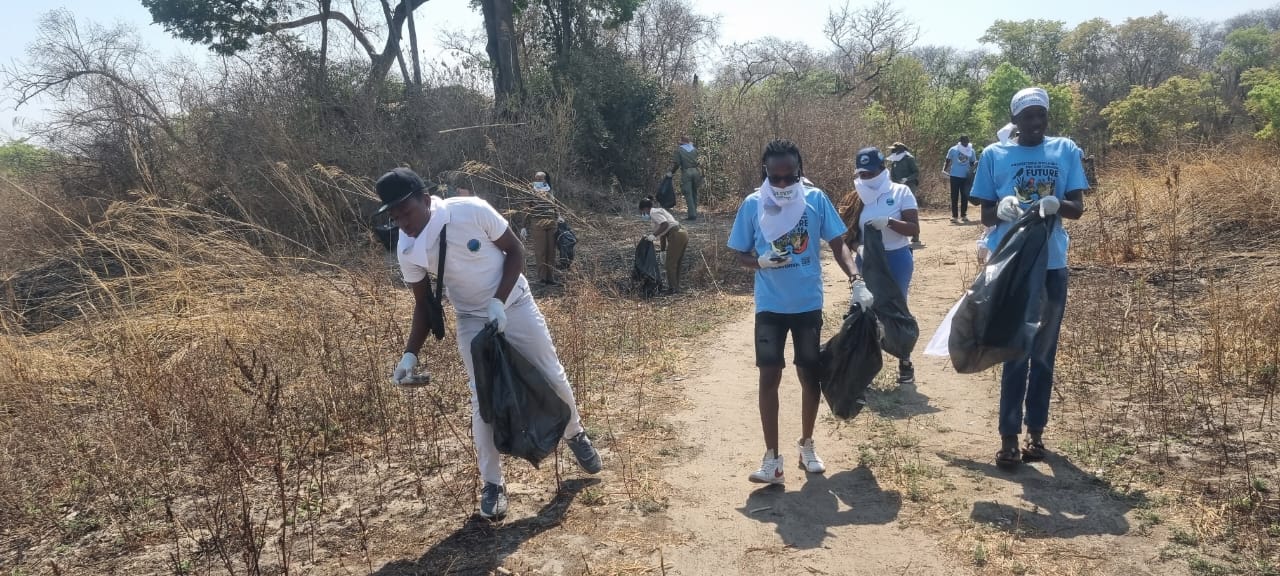
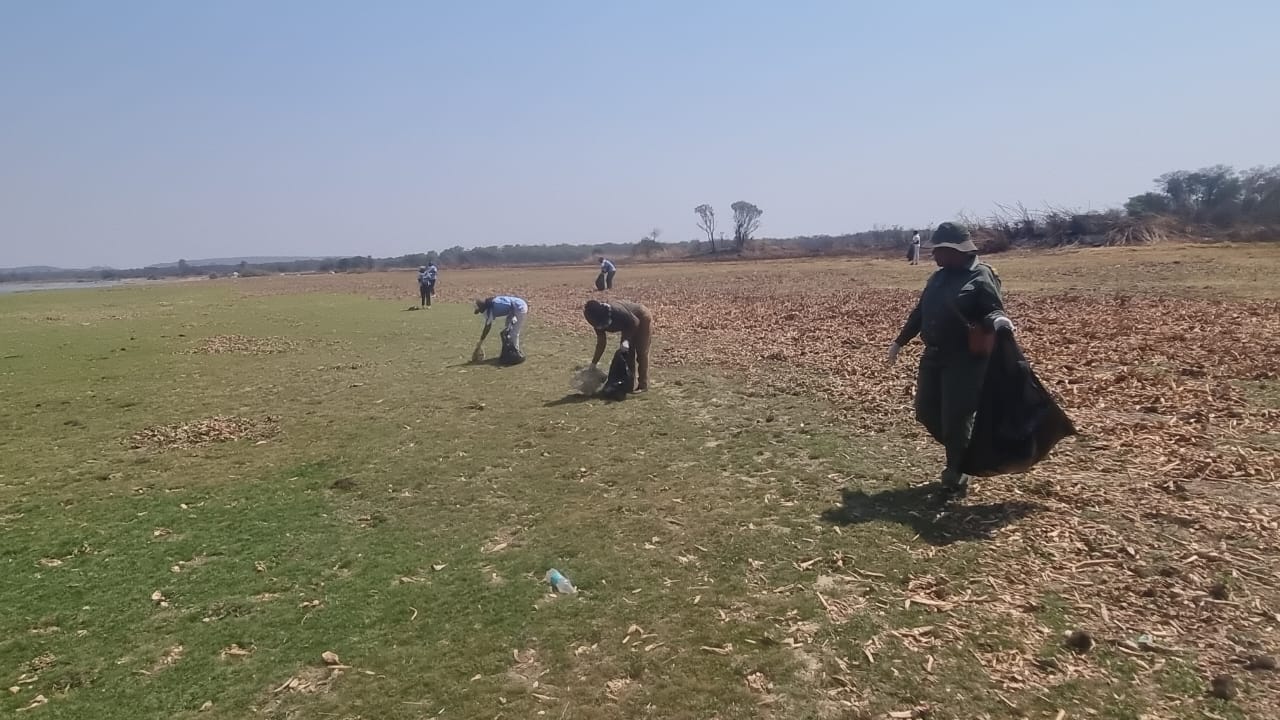
Along the shoreline, volunteers bend to retrieve discarded plastic bottles, tangled fishing nets and other waste. What appears to be an ordinary clean-up exercise soon reveals a more troubling reality: the pollution confronting the lake cannot be removed by volunteers alone.
This was the message emerging from Zimbabwe’s belated celebration of World Cleanup Day at Lake Chivero Recreational Park in late September, where youth groups, environmental organisations and Government agencies renewed calls for stronger action against plastic pollution, illegal fishing and the discharge of untreated sewage into the lake.
The event, co-hosted by BirdLife Zimbabwe, the African Youth Initiative on Climate Change Zimbabwe (AYICCZim), the Environmental Management Agency (EMA) and Four Faces Environmental and Wildlife Conservation Trust (FF-EWCT), among other stakeholders, brought together volunteers determined to protect a wetland whose ecological importance extends beyond Zimbabwe’s borders.
But beneath the determination was a pressing question: how effective can a clean-up campaign be when the sources of pollution continue to threaten the environment?
For Ronald Chirimuta of BirdLife Zimbabwe, the answer lies in recognising that Lake Chivero is more than a recreational destination or a reservoir supplying Greater Harare. It is also a habitat for waterbirds and migratory species whose survival depends on healthy aquatic ecosystems.
“It is not just our lake — it is home to thousands of migratory birds, many species now threatened because plastic waste and abandoned fishing gear choke their habitat,” Chirimuta said as volunteers removed nets from the bird sanctuary.
“When birds become entangled, when their food sources disappear, we lose not only species but the link between nations that share them.”
The warning captures the wider significance of the clean-up. Migratory birds cross national boundaries along established routes, meaning that damage to feeding and resting habitats in Zimbabwe can have consequences for conservation efforts elsewhere.
Lake Chivero, situated west of Harare, is recognised as a Ramsar wetland of international importance. Its extensive reedbeds provide habitat for waterbirds, while the surrounding recreational park supports a range of wildlife. BirdLife Zimbabwe has also documented growing pressure on the lake’s bird sanctuary from human activities and changes to shoreline habitats.
The stakes are particularly high because the lake is a major water source for Greater Harare, which includes the capital and surrounding urban communities. Its deterioration therefore raises concerns that extend from biodiversity conservation to water quality and public health. (BirdLife Zimbabwe; Zimbabwe Parks and Wildlife Management Authority.)
A lake under pressure
The urgency of the campaign is underscored by the scale of sewage pollution entering the lake.
In April 2025, EMA spokesperson Amkela Sidange told NewsDay that more than 250 million litres of untreated sewage were being discharged into Lake Chivero daily from Harare. She said the City of Harare had received seven environmental protection orders and tickets for wastewater-management offences between 2021 and 2025, including the discharge of raw sewage, broken sewer pipes and failures in the reticulation system.
The figures highlight a problem that cannot be solved by collecting litter along the shoreline while polluted water continues to flow into the lake.
In December 2024, the contamination crisis escalated following widespread deaths of fish and wildlife associated with cyanobacterial blooms. Zimbabwe Parks and Wildlife Management Authority subsequently suspended fishing activities at the lake, while Government maintained the ban in January 2025 pending further investigations into the safety of the water and aquatic resources.
The incident exposed the consequences of allowing pollution to accumulate in an ecosystem on which people and wildlife depend.
The Environment, Climate and Wildlife Minister, Dr Sithembiso Nyoni, said in January 2025 that the situation at Lake Chivero was dire and called for a whole-of-Government and stakeholder approach to reverse the damage.
The fishing ban also presented a difficult reality for people whose livelihoods are connected to fishing and related activities. Protecting the public from potentially contaminated fish and restoring the lake’s ecological health must go hand in hand with sustainable alternatives for affected communities.
At the clean-up, volunteers focused on three areas — the north bank, south bank and bird sanctuary — with particular attention given to the sanctuary because of its biodiversity value.
Abandoned or illegally deployed fishing nets emerged as one of the most immediate threats encountered during the exercise. Such equipment can continue trapping aquatic animals and birds long after it has been discarded, while also contributing to the accumulation of waste in the water.
“The more nets we remove, the more we protect the birds; we protect migratory species from other countries too — birds have no borders,” Chirimuta said.
The removal of the nets offered a practical conservation benefit, but participants acknowledged that lasting progress would depend on preventing more fishing gear and other waste from entering the lake.
Plastic pollution and the human cost
Linda Masudze, an EMA Ramsar youth coordinator, said plastic litter remained one of the most visible pollution challenges at Lake Chivero.
“We are here to ensure that certain forms of litter, like plastic, which is one of the most dominant pollution features that we are seeing, is controlled. We are here to raise awareness in terms of how our environment can be protected from ravages,” she said.
Plastic pollution is particularly difficult to address when waste is poorly managed at household, commercial and industrial levels before being carried into waterways. Bottles, packaging and other discarded materials can accumulate along shorelines, degrade habitats and threaten animals through ingestion or entanglement.
For Tanyaradzwa Mutemachani of FF-EWCT, the environmental consequences are inseparable from the welfare of communities that rely on the lake and its surrounding natural resources.
“Our hub is by Lake Chivero on the South Bank. As young people, we are celebrating World Cleanup Day with BirdLife and EMA in the hope that clean environments translate into safer food, safer water, and viable livelihoods for those who depend on fishing and related activities,” Mutemachani said.
The connection between environmental protection and public health is particularly important at Lake Chivero, where pollution has raised questions about the safety of aquatic resources and the wider implications for water treatment.
The lake’s condition also reflects challenges across the Greater Harare catchment, where sewage infrastructure failures and inadequate wastewater treatment allow pollution to enter rivers that eventually feed the reservoir.
A sustainable response therefore requires action beyond the recreational park. Waste must be intercepted before it reaches waterways, sewer infrastructure must be repaired, and wastewater treatment facilities must operate effectively enough to prevent untreated effluent from entering the catchment.
The Environmental Management Agency’s reported enforcement actions against wastewater offences demonstrate that regulatory intervention is already part of the response. The challenge is ensuring that enforcement translates into measurable improvements in the quality of water entering the lake.
Young people demand lasting solutions
For the young people participating in the campaign, the clean-up was also an opportunity to challenge the assumption that environmental protection begins and ends with collecting rubbish.
They called for stronger enforcement against illegal fishing and pollution, improved management of sewage discharge into rivers feeding the lake, greater public awareness and investment in more environmentally responsible fishing equipment.
Biodegradable fishing gear was among the alternatives raised by participants as a possible way of reducing the long-term damage caused by abandoned nets. However, such alternatives would need to be practical, affordable and supported by effective controls on illegal fishing.
Education was another priority.
BirdLife Zimbabwe runs environmental education programmes intended to help young people understand wetlands, climate change, birds and biodiversity. Its activities include school-based learning, field visits to wetlands and clean-up campaigns.
Such initiatives can help build a culture of environmental stewardship, but participants said public awareness must be accompanied by reliable waste collection, functioning sewage infrastructure and consistent enforcement of environmental regulations.
The involvement of youth groups was significant because young people are both current participants in environmental action and future custodians of the country’s natural resources.
However, the responsibility cannot rest on volunteers alone. Local authorities, industry, regulators, residents and communities all have a role to play in reducing the waste and effluent entering the lake.
From clean-up to accountability
By mid-morning, volunteers had collected substantial quantities of plastic waste and removed numerous discarded nets from the shoreline and shallow waters, particularly around the bird sanctuary.
The immediate achievement was a cleaner habitat. The more difficult test would be whether the exercise could help trigger sustained action against the pollution sources that continue to undermine the lake.
That means strengthening monitoring of industrial effluent and sewage discharges, ensuring that polluters comply with environmental requirements, improving wastewater-treatment capacity and holding those responsible for illegal fishing and dumping accountable.
It also means recognising the importance of catchment-wide management. Rivers do not stop at municipal boundaries, and pollution generated upstream can undermine conservation work carried out downstream.
The condition of Lake Chivero demonstrates why environmental management must connect public infrastructure, urban planning, waste disposal, water quality and biodiversity protection rather than treating them as separate concerns.
The fishing ban, introduced after the 2024 contamination incident, remains a reminder that environmental degradation can have immediate consequences for livelihoods and food safety. Its continuation must be accompanied by credible rehabilitation efforts and transparent assessments of the lake’s recovery.
For communities dependent on Greater Harare’s water supply, the issue is equally urgent. A deteriorating reservoir places additional pressure on water-treatment systems and increases the importance of preventing contamination at source.
The clean-up volunteers may have removed waste from the shoreline, but the wider crisis demands a response capable of stopping pollution before it reaches the water.
As Chirimuta put it, removing waste for a day is not enough.
“What will matter more is whether Harare and other local authorities stop dumping untreated sewage and whether we will see biodegradable alternatives used by fishermen, not nets that kill our birds,” he said.
His words underline the central challenge confronting conservation efforts at Lake Chivero: environmental recovery cannot depend on periodic acts of volunteerism while the underlying causes of pollution remain unresolved.
World Cleanup Day may provide a rallying point for collective action, but the future of the lake will depend on what happens after the volunteers leave — whether enforcement improves, sewage treatment is restored, illegal fishing is controlled and the public begins to see measurable improvements in water quality and wildlife protection.
For Zimbabwe, protecting Lake Chivero is about more than keeping its shores clean. It is about safeguarding a wetland of international importance, preserving the migratory routes that connect ecosystems across borders and protecting a vital water resource for generations to come.