Online Reporter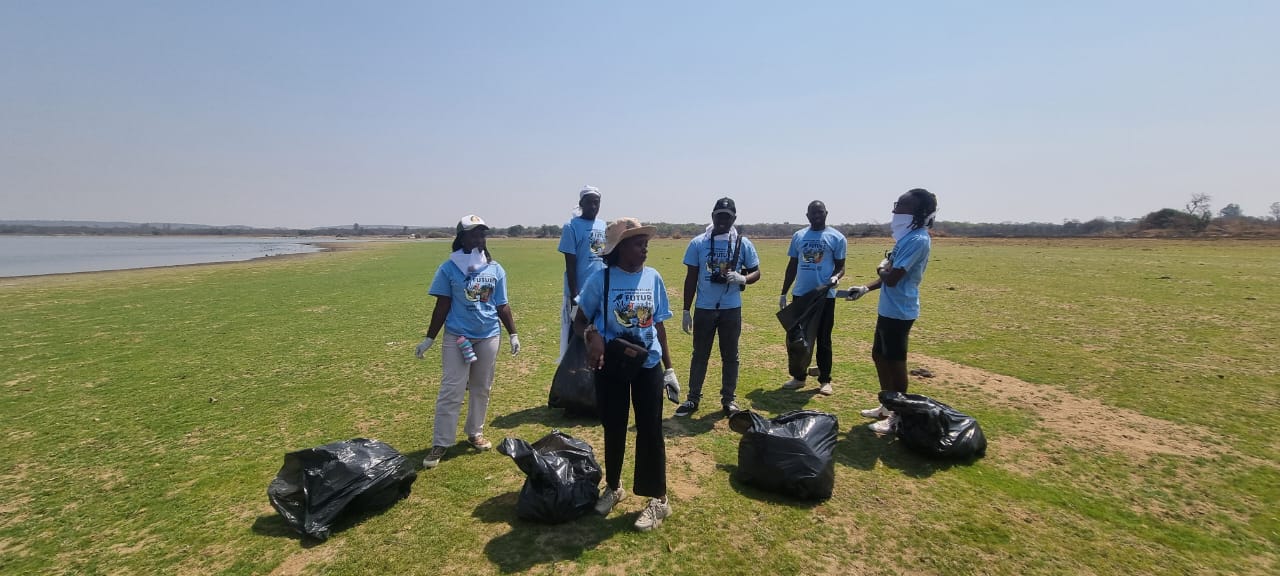
Peter Tanyanyiwa
Herald Correspondent
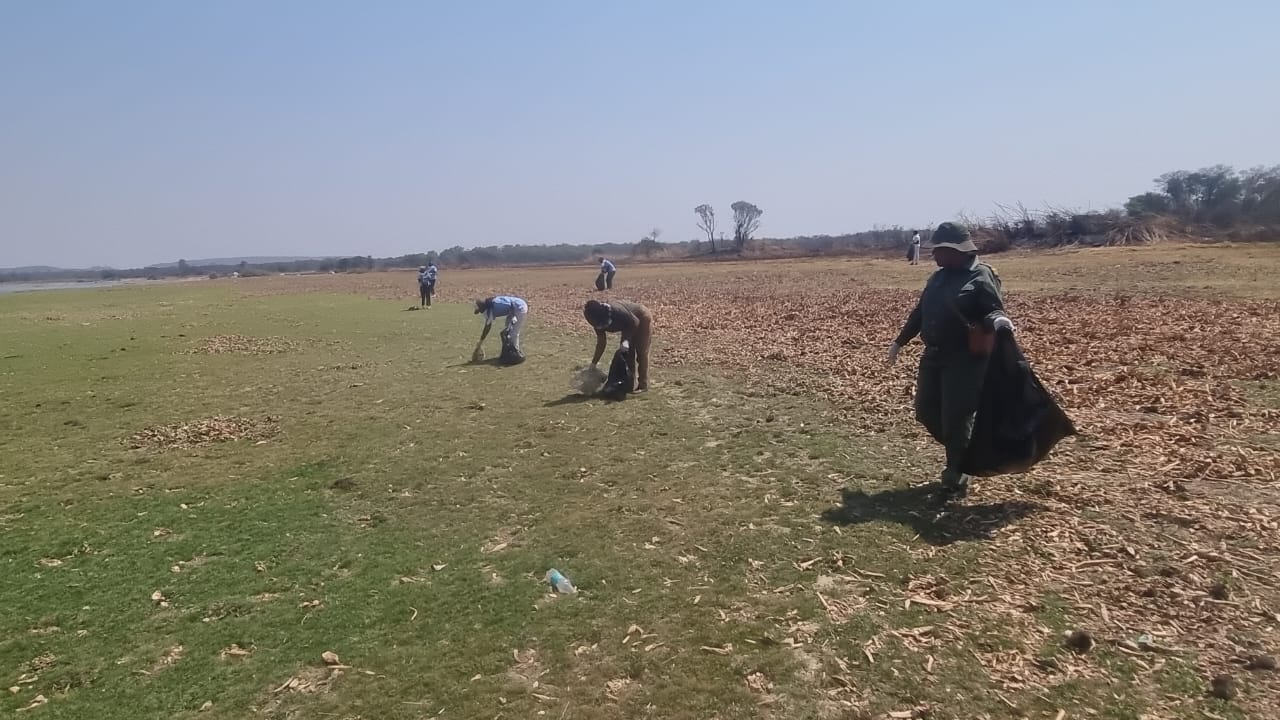
VOLUNTEERS representing youth groups, environmental NGOs, and Government agencies gathered at Lake Chivero Recreational Park this morning for Zimbabwe’s belated celebration of World Cleanup Day, pledging renewed efforts to stem plastic pollution and protect migratory birdlife at one of the country’s most sensitive wetlands.
World Cleanup Day is a global movement, celebrated annually on September 20, that unites people in cleaning up their local environments and raises awareness about the waste crisis and sustainable development.
The event was co-hosted by BirdLife Zimbabwe, African Youth Initiative on Climate Change Zimbabwe (AYICCZim), the Environmental Management Agency (EMA) and Four Faces Environmental and Wildlife Conservation Trust (FF-EWCT), among others.
Organisers said this year’s cleanup was especially urgent in light of ongoing illegal fishing, abandoned nets, raw sewage flows, and declining wildlife populations at the lake — a Ramsar-protected wetland of international importance.
“It is not just our lake — it is home to thousands of migratory birds, many species now threatened because plastic waste and abandoned fishing gear choke their habitat,” said Ronald Chirimuta, from BirdLife Zimbabwe, moments after volunteers removed several nets from the bird sanctuary.
“When birds become entangled, when their food sources disappear, we lose not only species but the link between nations that share them.”
Lake Chivero is one of Zimbabwe’s Ramsar sites and a key habitat for migratory birds every summer. Organisers placed particular emphasis on cleanup in three main zones: North Bank, South Bank and the bird sanctuary, with special priority given to the “bird sanctuary” — a relatively undisturbed area still supporting high biodiversity.
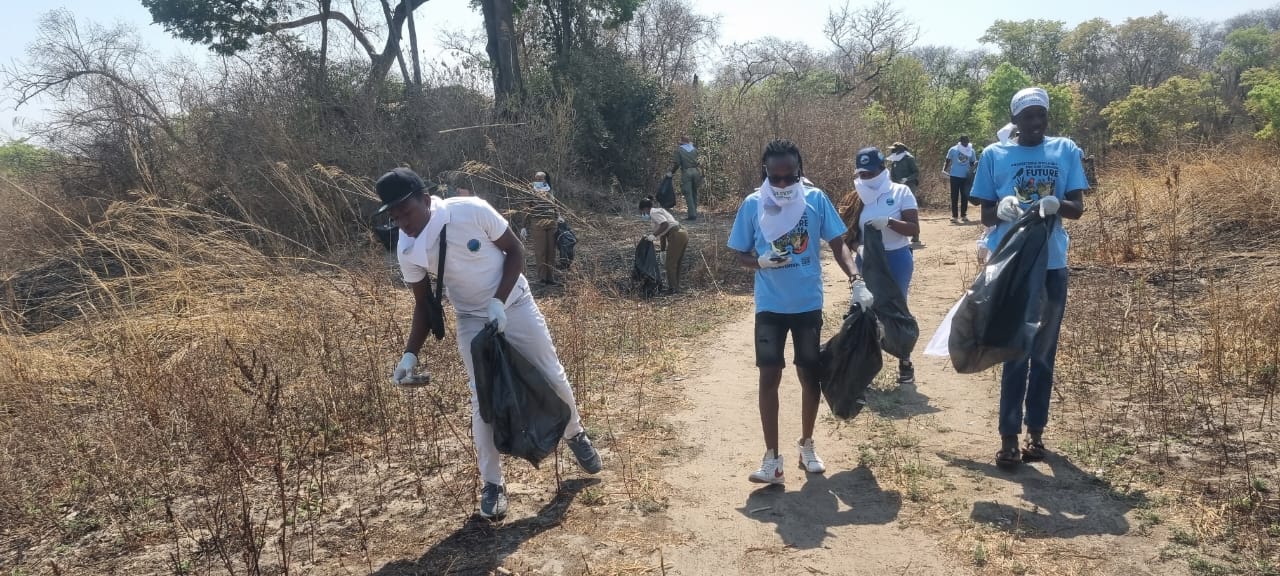
Illegal or abandoned nets, often used by poachers or discarded by illegal fishermen, were identified as among the most harmful forms of pollution. According to Chirimuta, these nets not only trap birds but also reduce water quality and threaten aquatic species.
“The more nets we remove, the more we protect the birds; we protect migratory species from other countries too — birds have no borders,” he said.
Linda Masudze, Ramsar youth coordinator with EMA, called plastic litter the most dominant pollution challenge at Lake Chivero.
“We are here to ensure that certain forms of litter, like plastic, which is one of the most dominant pollution features that we are seeing, is controlled. We are here to raise awareness in terms of how our environment can be protected from ravages,” she said.
Tanyaradzwa Mutemachani of FF-EWCT (Four Faces Environmental and Wildlife Conservation Trust) echoed the concern that pollution not only threatens wildlife, but also endangers human health and undermines community livelihoods.
“Our hub is by Lake Chivero on the South Bank. As young people, we are celebrating World Cleanup Day with BirdLife and EMA in the hope that clean environments translate into safer food, safer water, and viable livelihoods for those who depend on fishing and related activities,” Mutemachani said.
The national fishing ban at Lake Chivero, imposed in late 2024 following the mass deaths of fish and other animals linked to cyanobacterial blooms, remains in effect. Authorities have cited continuing untreated industrial effluent and untreated sewage as major sources of risk.
Youth groups and environmentalists at the cleanup urged stronger enforcement of pollution laws and sustainable waste management measures. They also called for investment in biodegradable fishing gear, better management of sewage discharge into rivers feeding the lake (notably from Harare and its satellite towns), and educational programmes to change community behaviours around littering and environmental stewardship.
Today’s action builds on existing concerns: Lake Chivero has suffered from raw sewage discharge of over 250 million litres daily from Harare alone. In recent months, the government reaffirmed that the fishing ban would stay until pollution levels are brought down and water quality restored.
By mid-morning, volunteers had carted dozens of nets and large quantities of plastics from the shorelines and shallows, especially around the bird sanctuary. Organisers said the immediate outcome is cleaner habitats, but the real impact depends on follow-through: enforcement of ban on illegal activities, clean-ups at the sources of pollution upstream, and consistent monitoring.
“Removing waste for a day is good, but what will matter more is whether Harare and other local authorities stop dumping untreated sewage and whether we will see biodegradable alternatives used by fishermen, not nets that kill our birds,” Chirimuta said.