Online Reporter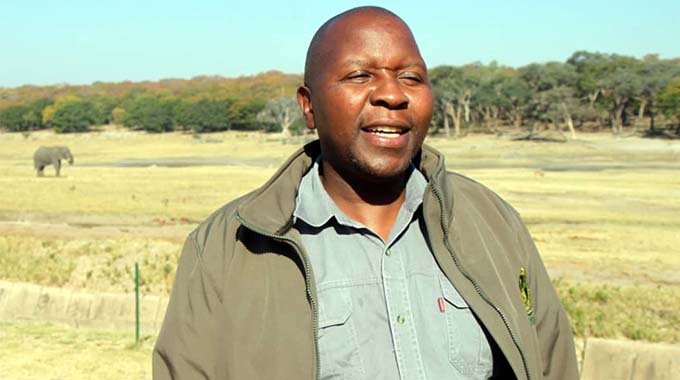
Rutendo Nyeve, Victoria Falls Reporter
THE sun hangs heavy over Hwange, its golden hue filtering through the sparse canopy of what remains of the park’s once-towering trees.
Here, in this fractured landscape, a quiet tragedy is unfolding, one that threatens to erase an ancient, misunderstood guardian of the wild — the vulture.
For generations, these majestic scavengers have soared over Zimbabwe’s skies, nature’s silent custodians, cleaning the land and preventing the spread of disease. But now, their wings beat against a storm of extinction. In the communities surrounding Hwange National Park, whispers of dangerous superstitions weave through the air, as lethal as any poison.
Vultures, once revered, are now hunted, not for meat, but for their perceived mystical powers. Desperate poachers seek their feathers, their heads, their bones, believing these birds can summon luck in betting or influence court verdicts.
Each carcass found, stripped of its parts, is a wound that may never heal. The trade is clandestine, fuelled by fear and greed and with every bird lost, the ecosystem trembles.
But the threat does not end there. Even their sanctuary, Hwange National Park is betraying them. Elephants, magnificent yet destructive in their numbers, have pushed the park’s great trees to the ground.
“Vultures are very important in wildlife. They are naturally called natural cleaners. They can resist even diseases like rabies. So, of course, they are facing extinction, especially within this park (Hwange), mainly because, when elephants are moving around, they knock down the trees and they can only breed at a certain tree height.
“So, within the park, we don’t have long enough trees for the vultures to breed, so it is affecting their population. They are ending up breeding at the periphery of the park, where they feel safe,” Zimparks spokesperson Mr Tinashe Farawo said in an interview with Zimpapers.
He added that conservation efforts include community education and monitoring through collaring vultures to track their movements and threats.
“What we are doing is to continuously educate our communities about the importance of vultures, and to ensure that some of the belief systems in communities, which are threatening the survival of this species are dismissed.
“We have collared some birds, and sometimes it’s easier for us to notice where they are spending much of their time and what happened to them, especially if it’s no longer moving, or if it’s moving in a straight line, you can tell that it’s no longer flying, or it is someone who is carrying it,” he said.
Vultures nest only at towering heights, but now find no home within these borders. Forced to the fringes, they drift into human settlements, where instead of safety, they meet superstition and death.
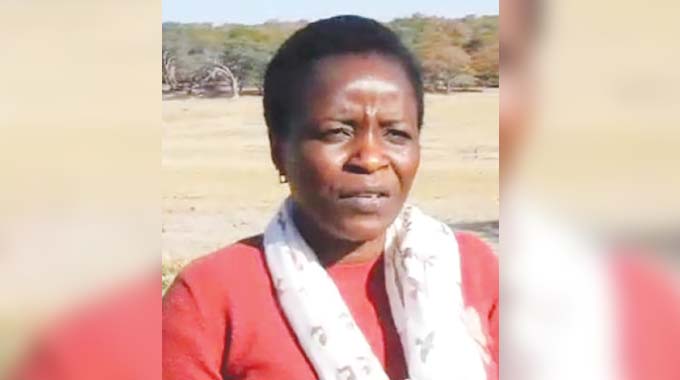
Dr Lovelater Sebele, a representative of Birdlife International, painted a grim picture of vulture conservation in Zimbabwe, noting that five of the country’s six vulture species are endangered, with three critically endangered.
“In Zimbabwe, we have six species of vultures. Of these, five are listed in the red list of the IUCN as endangered, and three of these are critically endangered, which means they are nearing extinction. So, the situation is not looking very good,” said Dr Sebele.
The major threats are poisoning and belief-based use in traditional medicine.
“The major threat to vultures is actually poisoning and belief-based use. So, the major issue is actually to make sure that the vultures are safe. This is mostly by making sure that their food is safe, because they are also dying from what they are eating,” she said.
Dr Sebele said there is a need for safer carcass disposal and shifting cultural attitudes.
“The major recommendation is for us to be responsible citizens and make sure that the carcasses that are out there for vultures to eat are safe, they do not have chemicals in them,” she said.
“But also, we need to change our mindsets in terms of some of our cultural beliefs about the use of vultures, because the second largest threat to vultures is actually traditional medicine, belief-based use in Southern Africa.”
Dr Sebele stressed that protecting elephants indirectly safeguards vultures, as elephant carcasses provide vital food sources.
“Vulture distribution follows elephant distribution. Because elephant carcasses by biomass provide the most food for vultures. When elephants are safe, the safety of vultures also increases,” she said.
“We are saying whatever we are doing in terms of our wildlife departments, other stakeholders, our communities, activities that we are conducting that actually protect our elephants, generally also protect our vultures.”
A brief interview with elders in Dete revealed of a time when the skies were thick with vultures, their shadows painting the earth below. Now, the heavens are a bit emptier, the silence louder.
Each missing bird is a ghost, a vanished note in the symphony of the wild.
If nothing changes, the vultures of Hwange will become nothing more than a story, a cautionary tale of how ignorance and habitat loss conspired to erase one of Africa’s most vital creatures.