Online Reporter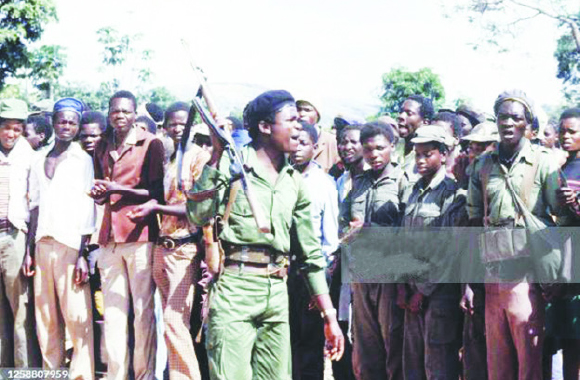
Richard Muponde-Zimpapers Politics Hub
The call to declare the ‘bases’ used by freedom fighters during Zimbabwe’s liberation struggle as national monuments is a timely and significant move meant to preserve the memory of the fight for independence.
These bases, often located in secluded areas, served as key assembly points for freedom fighters to mobilise and rally the masses to support the struggle.
They were also pivotal sites for (night vigils) pungwes, where the war’s ideology was taught.
As Zimbabwe celebrates Heroes and Defence Forces Day, it’s fitting that these bases be recognised and accorded the respect they deserve. The importance of declaring these bases national monuments cannot be overstated.
These sites hold immense historical significance and cultural value, serving as tangible reminders of the sacrifices made by the masses and freedom fighters during the liberation struggle.
By declaring them national monuments, the Government would be acknowledging the crucial role they played in the country’s history and the struggles of its people.
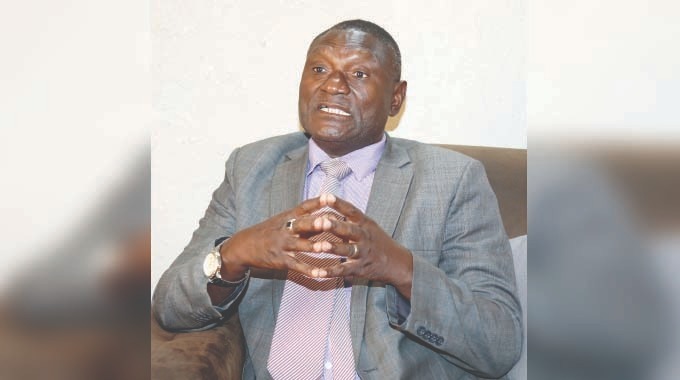
Zanu PF Chief Whip, Cde Pupurai Togarepi, a war collaborator himself, stated that declaring the bases national monuments will be a befitting recognition of the masses’ sacrifice to the liberation struggle.
“It will be a great honour for all bases and battle sites to be declared national monuments. These are living reminders of the sacrifices by the masses in support of the liberation struggle,” said Cde Togarepi.
This statement underscores the significance of these sites as a testament to the sacrifices made by the people during the struggle.
The bases are not just mere locations, they hold sentimental value for many people who were directly involved in the struggle.
For instance, Mrs Phillipa Nyatoro, a war collaborator who operated in Manicaland, holds fond memories of the bases. She gave birth to her first child at a Pungwe, and her experience is a testament to the sacrifices made by women during the struggle.
As she noted, “I went to the base heavily pregnant, I was given some elderly women who whisked me away from the crowd to give birth to my first born. You see how I value that base.”
Mrs Nyatoro’s story highlights the importance of preserving the history of the struggle and honouring the memories of those who were involved.
Declaring the bases national monuments would be a fitting tribute to the sacrifices made by the people during the liberation struggle. It would also serve as a reminder of the country’s history and the struggles of its people.
As Mrs Nyatoro aptly put it, “If all bases and camps even ‘Keeps’ are declared national monuments we will feel very much respected for our sacrifices, even risking my life in pregnancy for the liberation cause. It’s my prayer together with others to get this recognition.”
The liberation struggle was a defining moment in Zimbabwe’s history, and the bases used by freedom fighters are a tangible reminder of that period. By declaring them national monuments, the Government would be acknowledging the importance of preserving the country’s history and cultural heritage.
It would also be a step towards promoting national unity and reconciliation, as it would recognise the sacrifices made by people from all walks of life during the struggle.
Moreover, declaring these bases national monuments would also serve as a way to educate future generations about the country’s history and the struggles of its people.
It would provide a tangible link to the past, allowing young people to understand the sacrifices made by their forebears and the importance of preserving the country’s cultural heritage.
Furthermore, the declaration of these bases as national monuments would also be a way to promote tourism in the country. Many people, both locally and internationally, would be interested in visiting these sites, and this would not only promote cultural exchange, but also boost the country’s economy.
In addition, the preservation of these bases would also provide a platform for researchers and historians to study and learn more about the country’s history. It would provide a wealth of information on the liberation struggle, which would be invaluable to scholars and researchers.
Declaring the bases used by freedom fighters’ national monuments is a crucial step towards preserving Zimbabwe’s history and cultural heritage.
These sites hold significant historical and cultural value and are a testament to the sacrifices made by the people during the liberation struggle. By according the bases the respect they deserve, the Government would be acknowledging the importance of preserving the country’s history and promoting national unity and reconciliation.
It will be a sweet present to citizens if the Government declared these bases national monuments, as a fitting tribute to the sacrifices made by the people during the struggle.
This would be a significant step towards promoting national unity, preserving cultural heritage, and educating future generations about the country’s history.
By doing so, Zimbabwe can continue to build on its rich history and cultural heritage, and ensure that the sacrifices of the past are not forgotten.