Lynnia Ngwenya
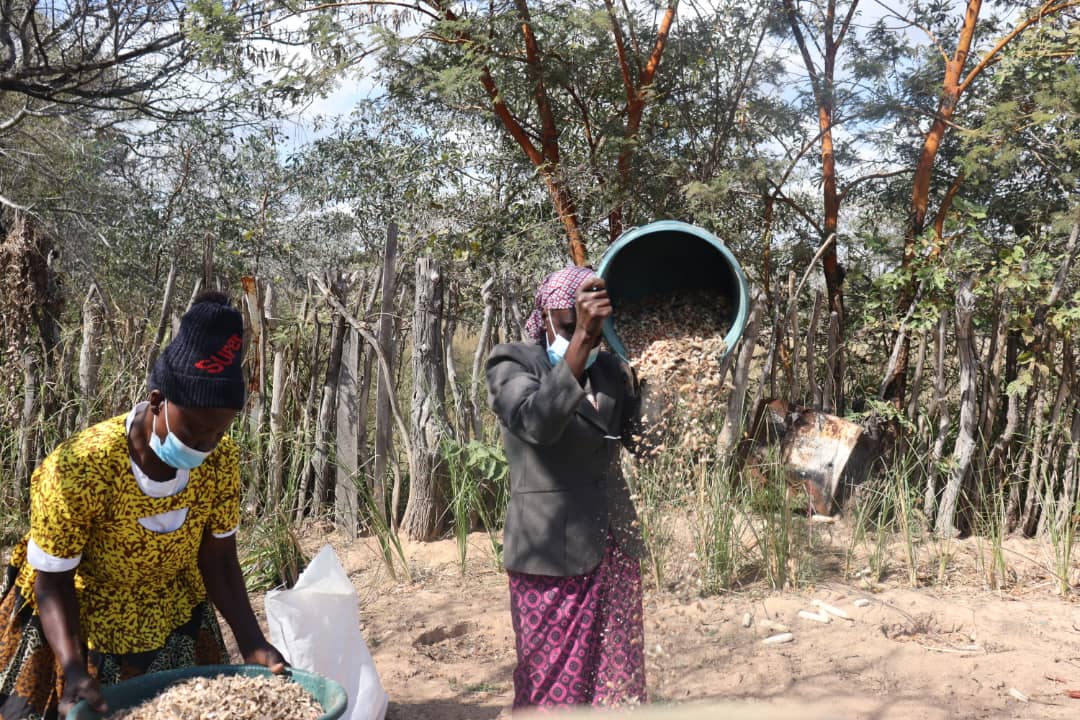
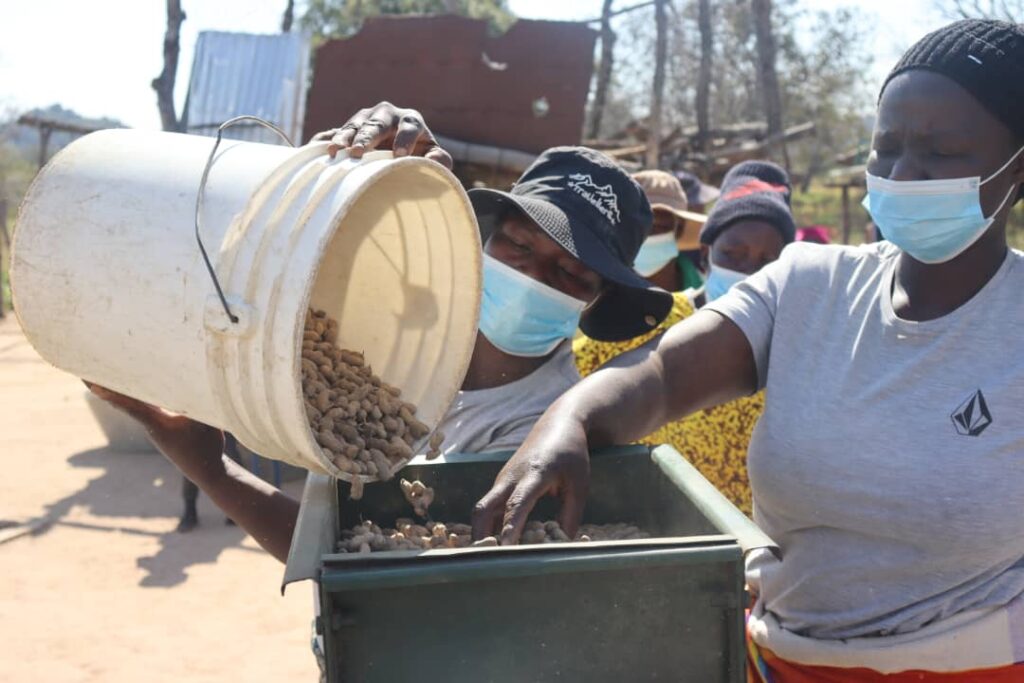
THE sheller hums as it separates clean groundnut kernels from their shells. Nearby, the mill roars, grinding small grains into fine meal.
Inside the processing centre in Gwanda’s Ward 6, women laugh and work together. Buckets of harvested grain are fed into machines that ease their workload. For them, these machines do more than process crops — they turn harvests into income, food, and dignity.
For the women here, value addition is transforming farming. Instead of selling raw grain for little return, they now produce goods that people can buy, use, and trust.
Ms Medelinah Nyathi is one of the farmers behind Nutri-Porridge. She works with other women in the Asithuthukeni Processing Group.
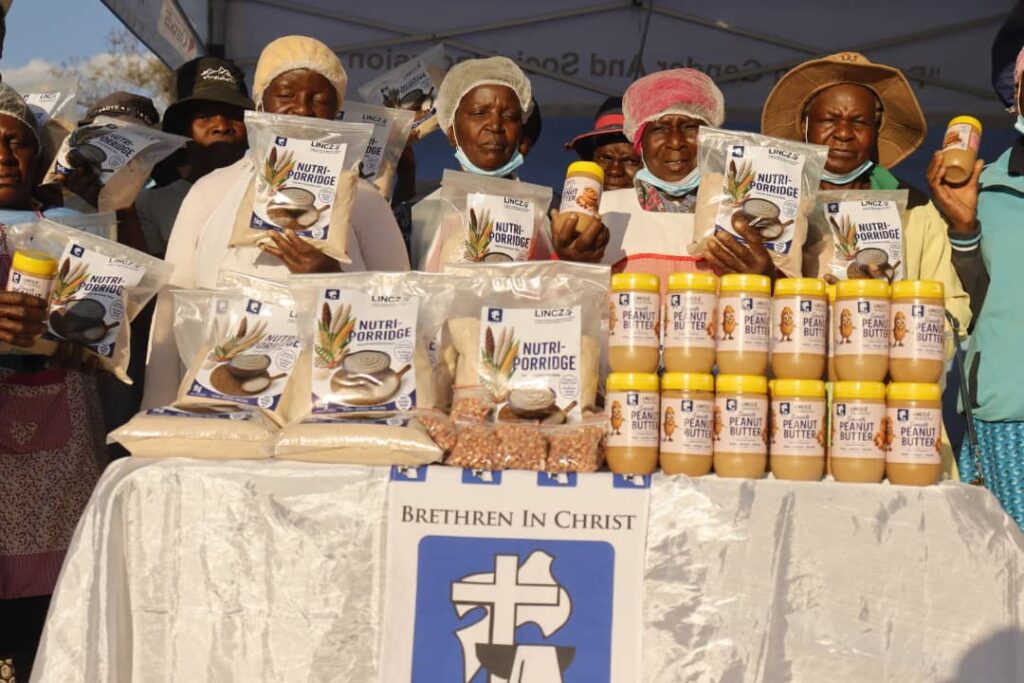
Together, they use locally grown sorghum, groundnuts, cowpeas and rice to make a nutritious porridge. The porridge is measured, mixed, milled, packaged and prepared for the market. The group also grinds sorghum into sorghum meal.
As she scoops ingredients and watches the mill turn them into powder, Ms Nyathi reflects on how much has changed.
“Years ago, we sold most of our harvest as raw grain. It brought very little income. Today, every step of processing adds value. We now have products that are ready for the market,” she said.
“We are no longer just harvesting grain. We are producing something people can buy and benefit from. This has helped us see the true value of what we grow.”
The centre is alive with activity. Some women shell groundnuts for peanut butter while others grind sorghum and pack the meal. The sound of machines blends with laughter and chatter. Each woman plays her part in turning local crops into quality food.
A sealed pack of Nutri-Porridge sells for R40 per kilogramme.
“I feel proud when I see our products packed and ready. It gives us confidence. Our work in the fields is not wasted. Every packet sold carries our name and grows the dignity of women in farming.
“We used to think small grains were only for home food. Today we see them as crops that improve our income and give healthy food to many communities,” said Ms Nyathi.
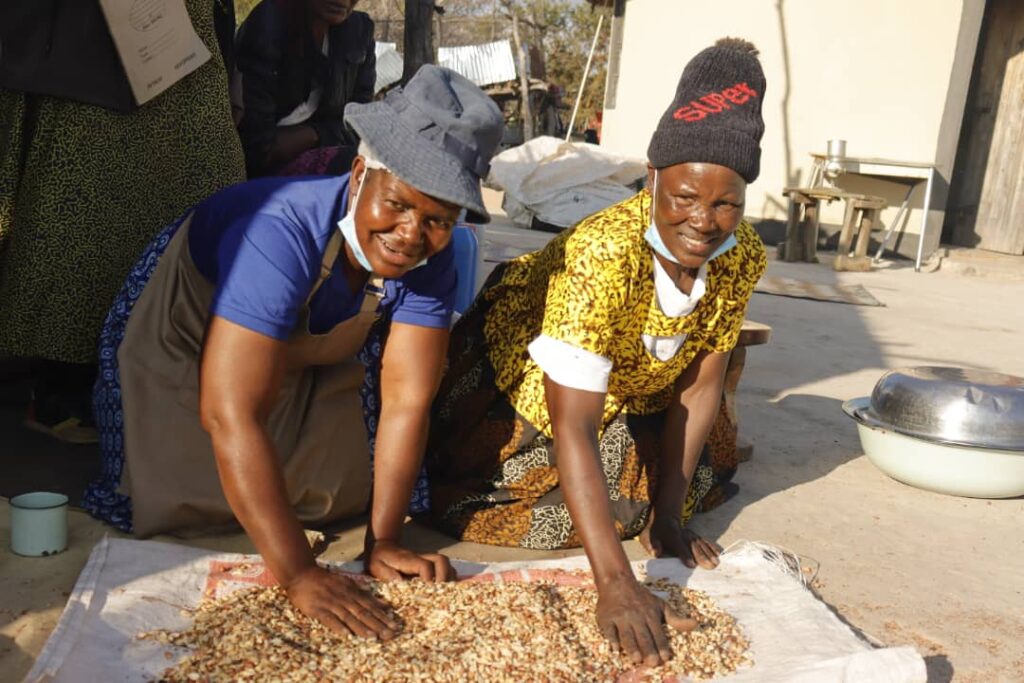
Before the centre opened, processing small grains was slow and exhausting. Women spent hours, sometimes weeks, shelling groundnuts by hand. They pounded grain with a mortar and pestle and used grinding stones that demanded great strength.
Those old methods are not forgotten. They are part of Indigenous Knowledge Systems (IKS) and served the community well for generations. But as demand for processed food grew, the work became too slow and too heavy.
For Ms Nyathi and many elderly women, as well as those with health problems, the labour became overwhelming.
“As I grew older, the work became too heavy. I had to eat most of my harvest because I could not process and sell it. Shelling groundnuts by hand and preparing grain took many hours. It was hard to earn enough for my family,” she said.
Another farmer, Mrs Sarah Ndlovu, added: “Some of us are no longer strong. Others have health problems that make heavy work difficult. We wanted to add value to our crops, but our bodies could not keep up.”
Their determination caught the attention of Brethren In Christ Compassionate Development Services (BIC-CDS).
Through its Locally-led Indigenous Nature-based Solutions for Climate Change Adaptation in Zimbabwe project (LINCZ), BIC-CDS provided labour-saving machines, packaging materials, and marketing support.
“LINCZ aims to increase skills and capacity in communities, especially among women, so they can run sustainable value chains. Farmers are trained in growing and marketing. The goal is better income,” said Mr Ndabenhle Ncube, LINCZ Programmes Manager.
BIC-CDS Agricultural Extension Officer, Ms Immaculate Moyo, noted that many women in the area had been inspired by the group’s leadership in value addition.
“They have taken on new skills with confidence,” she said.
The spirit of value addition is spreading. While Asithuthukeni produces Nutri-Porridge and sorghum meal, the Musawenkosi Processing Group focuses on groundnuts.
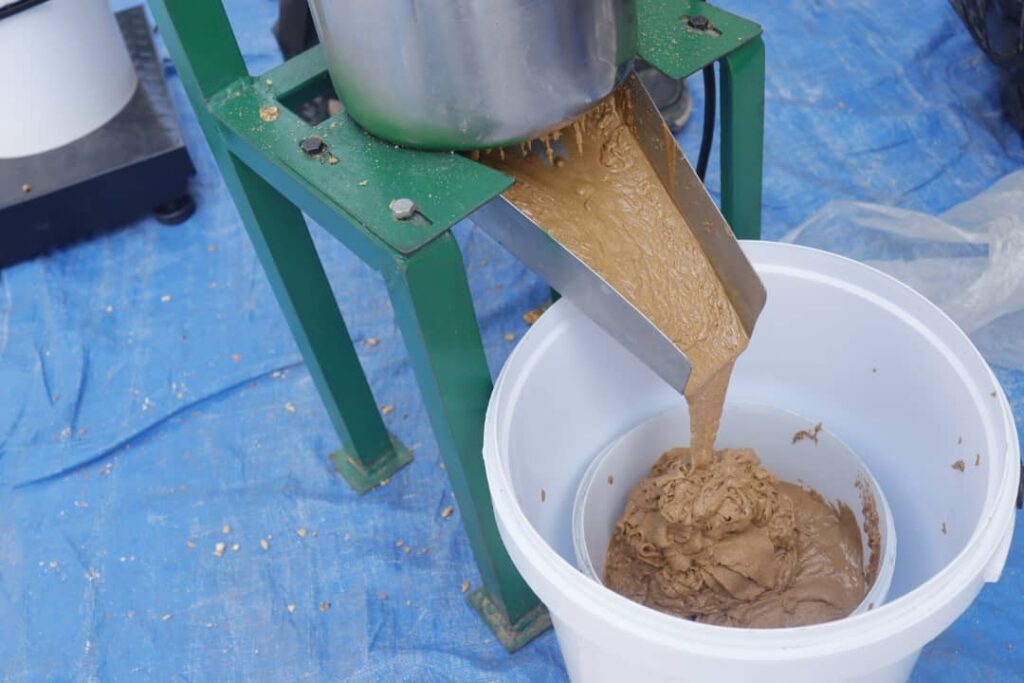
Musawenkosi members sort, shell and roast local groundnuts before feeding them into a machine that produces smooth peanut butter in minutes. Each 375ml bottle sells for R20.
“We used to see peanut butter on shop shelves and think it was not for us. Today we make our own. Our products are reaching bigger markets. Seeing our group’s name on the label gives us pride and hope,” said Miss Sipho Sibanda, a group member.
Musawenkosi also makes roasted groundnut snacks, packed in small portions and sold for R10 or R15.
“Not everyone wants peanut butter. Some prefer roasted groundnuts as a snack. By packing them in small sizes, we reach more customers and add more value to our harvest,” added Miss Sibanda.
At the Mtshazo processing centre, machines run steadily and shelves fill with neatly labelled products. The centre shows what can happen when local knowledge meets the right support.
The women are not only adding value to small grains – they are adding value to their own skills. They are learning to measure, mix, mill, package, label, price and sell. They are learning teamwork, record-keeping, and market planning.
Value addition helps farmers earn more from the same harvest. When grain is processed, the price rises. When it is well packed and branded, customers trust it more. And when women lead the work, whole families benefit.
The machines also protect health. They reduce the heavy, repetitive tasks that once injured backs and hands. They allow older women and those with health challenges to stay in business, keeping experience in the community and offering younger women role models.
Sorghum, cowpeas and groundnuts thrive in dry areas like Gwanda. Turning them into porridge, meal, peanut butter and snacks means healthier food is available locally and less harvest goes to waste.
The women of Ward 6 are ambitious. They want to grow their markets, improve packaging, and reach more buyers in Gwanda town and beyond.
With continued training and support, they are confident they can meet food safety standards, improve labelling, and supply schools, shops and institutions.
Their journey shows that farming is more than planting and reaping – it is also processing, packaging, and selling with pride.