Online Reporter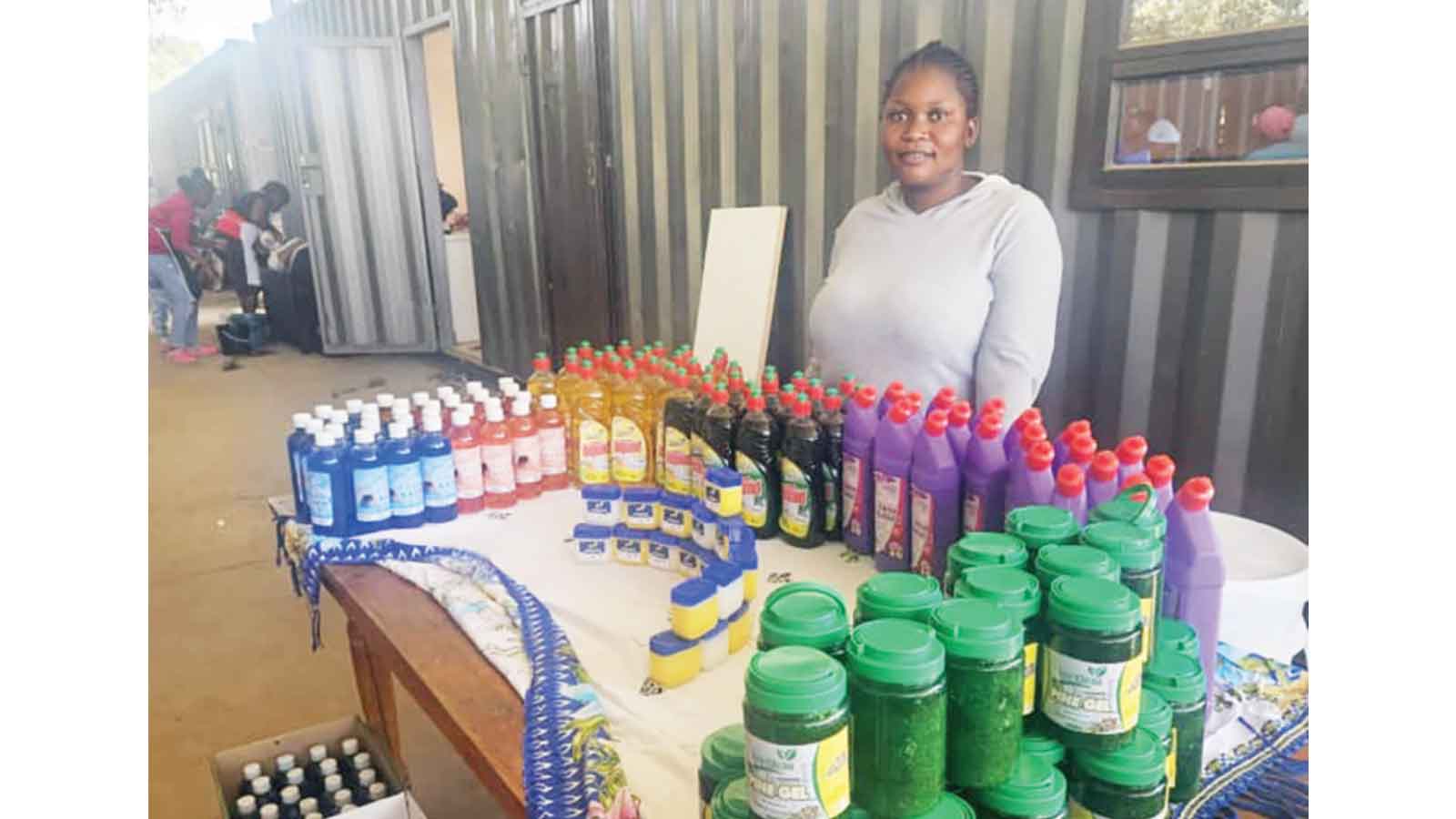
Sifelani Tsiko
Fact Check Editor
WHEN Ngalapekwa White’s (49) life was ripped away during the heightened anti-immigrant tensions and crackdowns on undocumented migrants that began in late May 2026 in South Africa, she had no choice but to trek back home to Zimbabwe.
For her and more than 115 000 others who were repatriated from South Africa, there were devastating and wide-ranging emotional, physical and financial impacts that came with the deportations.
It was a heavy weight for a single mother with four children and an 88-year-old father to care for, to carry.
She shouldered the pain of deportation – the severe psychological trauma, sudden end of work, separation from a South African community she had come to know for the past 20 years as well as the intense financial ruin.
Her biggest fear was: What was she going to do back home?
Reintegration into the Old Tafara community where she grew up was a nightmare. She did not want to just sit idle.
She wanted to work and earn a livelihood for her children and elderly father. White found hope in the Harare Sustainable Cities Initiative (HSCI) that seeks to strengthen inclusive, climate-resilient urban systems in Harare through the establishment of locally led clean energy and resource recovery infrastructure.
At the Tafara Integrated Resources Recovery Centre and Multi-functional Clean Energy Centre, under the HSCI project implemented by the Sunshine Group (ZSG), Soberlife, Green Building Council of Zimbabwe (GBCZ), Community Water Alliance (CWA), Action24, local authorities and with capacity-building support from Practical Action, she was welcomed into a circle of others who knew the pain of joblessness.
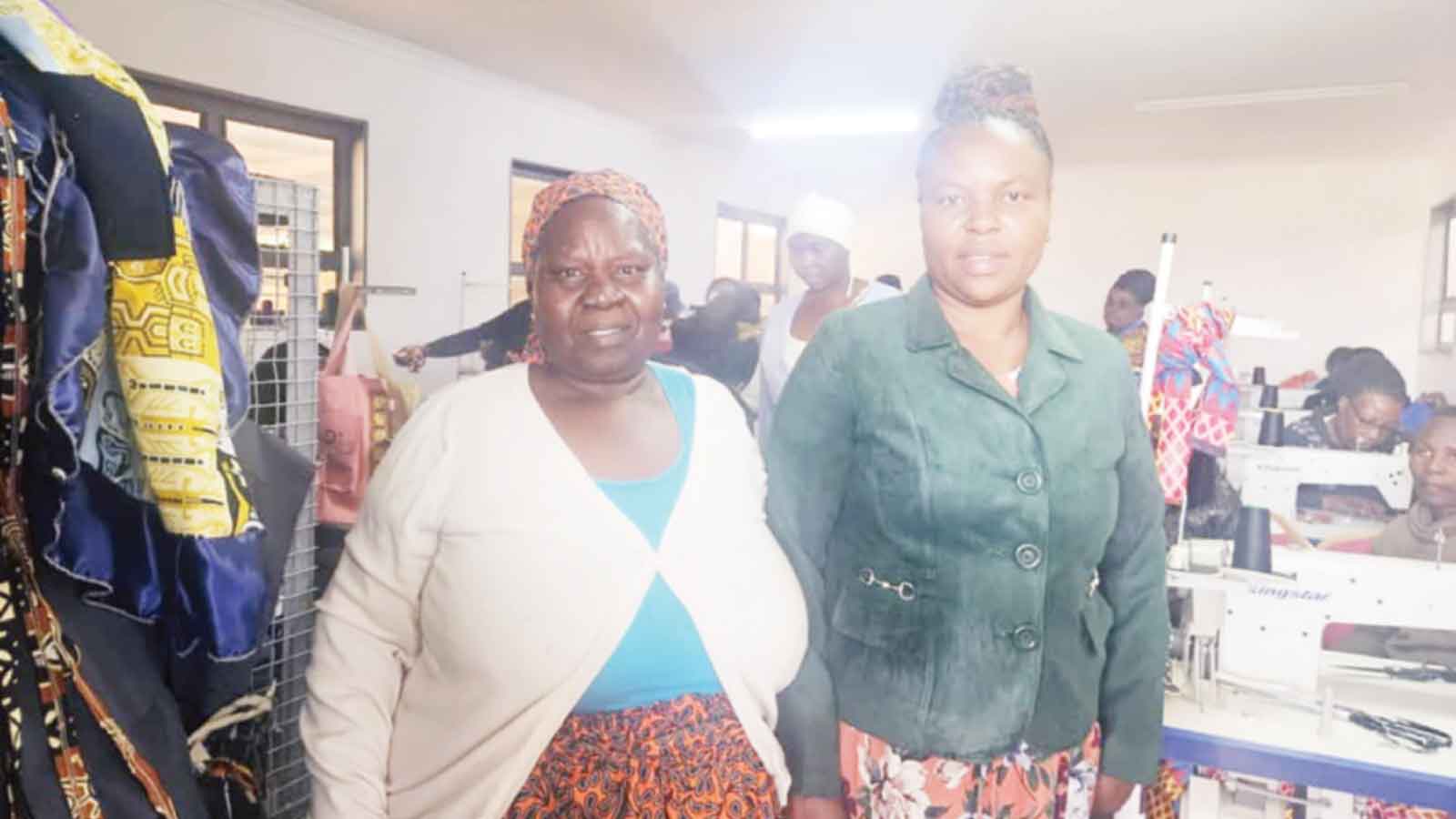
Among them, she no longer had to explain her grief. Through humour and shared rhythm at the Tafara recycling centre, her experiences of a job loss and the humiliation of repatriation turned into moments of connection.
“When I returned home, I was not sure of what I was going to do. It was a nightmare I kept to myself,” White said.
“I am a returnee from South Africa and joining this project here in Tafara helped to gain confidence and to be optimistic about life here in Zimbabwe.”
At the Tafara recycling centre, they collect and repackage waste, which is sold to companies that require it for processing of various products.
On this project funded by UN-Habitat, the HSCI supports locally led, integrated solutions that link clean energy access, productive livelihoods, and circular economy approaches.
By embedding infrastructure within community governance structures and viable business models, the initiative aims to deliver lasting social, economic, and environmental benefits.
White and numerous other locals have benefited from training in dressmaking, hairdressing, detergent making, cooking, carpentry, welding and ICT courses supported by Practical Action.
“Practical Action, with funding from SIDA through UN-Habitat, provided equipment for these various livelihood activities here in Mabvuku – Tafara and Epworth communities,” said Patience Samhutsa, Practical Action business markets and financial expert.
“The installation of solar power here at the Tafara Integrated Resources Recovery Centre and at the Epworth Centre has transformed waste handling and processing, helping locals to earn a livelihood.”
Practical Action, an international development NGO active in Zimbabwe, implements some capacity-building projects in Mabvuku-Tafara and Epworth focusing on sustainable livelihoods, waste-to-energy, and recycling green jobs.
Mellisa Mhaka, a site manager working under the Zimbabwe Sunshine Group, said the number of waste pickers under the HSCI project had increased from 100 in 2023, when the project started to 400 at present.
“With the installation of a solar system and provision of sorting and processing equipment, the numbers have grown tremendously, and there is a potential to increase the numbers to 1 000,” she said.
“More people want to join the initiative, and just here at the Mabvuku-Tafara recycling centre, 29 jobs have been created. More women, youth and men are involved in various projects such as poultry, gardening and seven other practical courses to earn a living.”
Mhaka said they wanted to raise more awareness on the importance of separation of waste at the source to enhance efficiency in waste collection and processing.
“We need to do more to raise awareness on separation of waste at the source. We have at least 500 households that are now dropping waste here and separation at source could help us a lot,” she said.
Paper, cardboard, plastic and empty cans are sorted and sold to local companies for processing.
“We now have power and equipment and we want to move from just collecting and sorting waste to value addition. We want women and the youth to be able to add value and make plastic products such as plastic wares – buckets, plates and cups,” Mhaka said.
“With value addition, locals could earn more and be motivated to collect more waste for processing.”
White said she has earned skills in dressmaking and looks ahead to earn a living from sewing clothes for sale.
“I am so excited about this initiative, and I have started earning some money from dressmaking. I hope to be able to pay rent, fees and buy food for my children and father,” she said.
Said Win Tom (62) of Old Tafara: “I am very grateful for this initiative. I have gained skills in dressmaking. I can sew clothes for my children and sell extras to earn money. We are just starting and over time we hope to earn more money.”
Alita Sam (25) from the same community, is proud to have gained skills in detergent making.
“This project has helped me a lot and we are now able to make detergents – dishwashers, foam baths and lotions. We just started producing these, and very soon we should be able to earn some income,” she said.
Marko Bhasikoro (72), is not deterred by age. “I have learnt a lot. I have gained skills. I can now make my own bubble bath foam, detergents and lotions. I want to teach young people to embrace these skills and earn a living.”
Petronella Nyakabwi(37), has gained hairdressing skills and is now earning US$50 a week at the Tafara recycling centre.
“On a good week, we earn about US$50 and less on others.
“This is important for us and we are now able to raise money to pay fees for our children, buy food and pay rent,” she said.
Waste recovery and processing present huge opportunities for the creation of green jobs, cleaner neighbourhoods and local economic development.
“By integrating solutions that link clean energy access, productive livelihoods and circular economy approaches, we can help improve livelihoods and promote sustainable development,” said Samhutsa.
And, for White, waste recovery centres are much more than waste recycling centres.
The connection, networking, singing and conversations punctuated with verses of laughter at the centre provide her with sweet music to ride over hardship, despair and unexpected difficulties.