Theseus Shambare in VICTORIA FALLS
ZIMBABWE’S tourism attractions, natural heritage and renowned hospitality have earned praise from international delegates attending the 70th Cooperation Centre for Scientific Research Relative to Tobacco (CORESTA) Congress, highlighting the country’s potential to leverage international conferences to promote destination tourism.
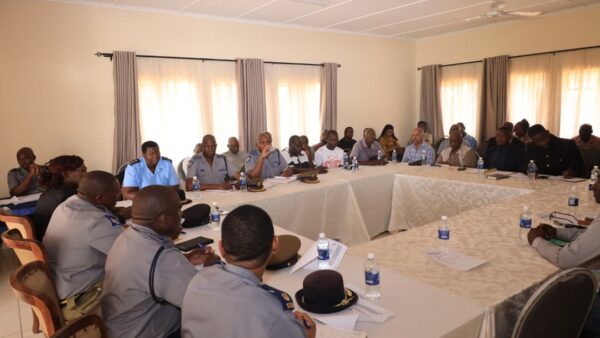
The five-day congress, hosted by Kutsaga in Victoria Falls, brought together 320 tobacco scientists, researchers and industry experts from different parts of the world, providing Zimbabwe with an opportunity to showcase its tourism attractions beyond its scientific and industrial capabilities.
Throughout the congress, delegates took time off from scientific proceedings to explore different attractions in and around Victoria Falls, including Mosi-oa-Tunya, the majestic waterfall that gives the resort city its international tourism appeal.
With the congress having concluded yesterday, delegates are taking their exploration further today, with a final leisure tour offering another opportunity to experience the country’s natural beauty and wildlife.
Professor Hu Bin of China National Tobacco Corporation (CNTC) Zhengzhong Tobacco Research Institute said his experience in Zimbabwe had been remarkable, particularly his encounters with the country’s natural attractions and wildlife.
“Our experience in Zimbabwe has been amazing. The Victoria Falls and the wildlife we saw along the river made this one of the most memorable experiences of my life. The Falls, the elephants and the people who are so warm and lovely. They are so welcoming. I adore this country,” he said.
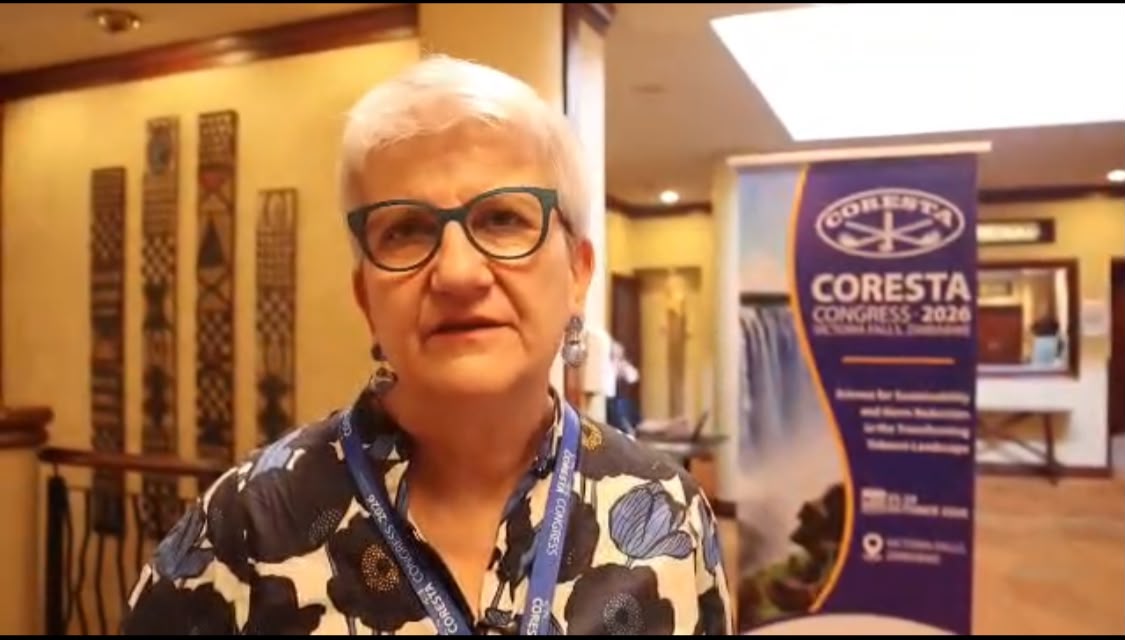
French Chief Scientist and Director of Regulatory Affairs at Schweitzer-Mauduit International (SWM), Diane Raverdy-Lambert, also praised Zimbabweans for their hospitality, saying the warmth of the people was among the memories she would take home.
“Being here is a unique and fantastic opportunity. Zimbabwean people are absolutely lovely, joyful, and that is a memory I will take home with me when returning home,” she said.
She also commended the organisation of the congress, saying delegates felt at home during their stay, while applauding the technological innovation demonstrated through a conference application developed by someone from Kutsaga Research Institute.
German Institute for Tobacco Research (IFTG) General Director Professor Wolf-Dieter Heller said he was impressed by Zimbabwe’s natural environment and technological progress.
“I am very impressed by Zimbabwe’s natural environment and the way the country relates to and protects nature. I also believe Zimbabwe is making significant progress in technology,” he said, adding that the combination of natural attractions and modern industries offered great potential for the country’s future.
Kudithipudi Chengalrayan of United States-based Altria Client Services, who first visited Zimbabwe in 2019 for the Agro-Phyto Conference, said the country’s hospitality had remained memorable.
“The people are very nice and even if you go out and talk to them, they are always willing to help you. My experience has been very beautiful, apart from the hot weather,” he said.
Meanwhile, Leo Caruso of Japan Tobacco International (JTI) said Zimbabwe’s contribution to tobacco science was helping improve growers’ livelihoods.
“Seeing the actions really on the ground and having the science that is improving livelihoods makes Zimbabwe the central piece of our tobacco industry,” he said.
The delegates’ experiences highlight the potential of international conferences to promote Zimbabwe as a destination, combining business and scientific engagements with leisure tourism and creating opportunities for repeat visits.