Chronicle Editor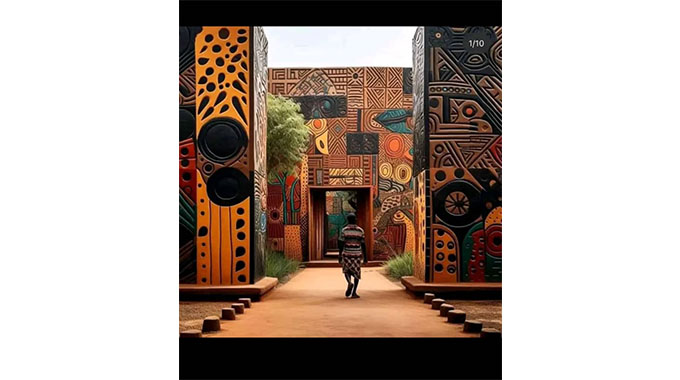
Peter Matika, [email protected]
FLYING high the crest of their continued success in the culinary industry, Lupane Veggie Guys, a company based in Lupane, Matabeleland North Province is set to establish a food museum in partnership with Yale University.
Lupane Veggie Guys have over the past introduced a one-of-a-kind chilli sauce that now comes in three different flavours, as well as a juice range, as the company continually strategises to diversify by introducing a wide range of products.
Lupane Veggie Guys director Makhosi Godonga Mahlangu said the company is set to establish the museum, Sivalo Food Museum (SFM) in Lupane, which will be dedicated to the conservation, documentation and promotion of indigenous and traditional foods.
Mahlangu, who completed his BSc (Hons) in Animal Science and Rangeland Management at Lupane State University and also holds an MSc in Animal Science from the University of Fort Hare in South Africa, said the company also processes polony and other cold meats, juices, and traditional foods.
Mahlangu said the idea of establishing the museum was conceived at the beginning of the year.
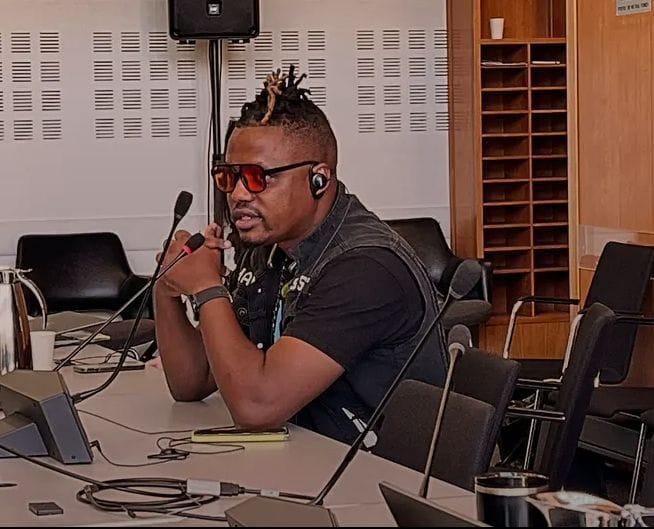
“I have been selected as a fellow at Yale University for the conservation of our food culture. This includes the indigenous juices. We are changing our food industry,” said an elated Mahlangu in an interview.
“Sivalo means a door in the local Southern African dialect (isiNdebele), with its vision premised on opening doors to new food dimensions using traditional food systems. It was developed by the African Food Revolution together with Makhosi Mahlangu, Ishmael Singo, Charles Nkomo, Fortunate Machingura, Aubrey Bango, Nomashawekazi Damasane, Mgciniwethu Mazula and Fisani Nkomo,” said Mahlangu.
He said the museum is dedicated to the understanding and study of the history, culture and technology of indigenous African foods in Southern Africa and the evolution of the various gastronomic cultures through migration patterns across Southern Africa.
“The museum is still in its infancy and is currently located in Lupane. The curators of the museum consist of a team of dedicated innovators whose sole aim is to reconfigure, redesign and document indigenous African food. The museum is domiciled in a predominantly rural setup with a rich undocumented food culture,” said Mahlangu.
He said SFM is carrying out an engagement process with village elders, the local community, Lupane State University and the local government to create an ambient food culture.
“The museum is working with various visual artists to create exhibitions that will emphasise the importance of indigenous foods to the cultures of the various ethnic groups in Southern Africa, helping in the mapping of the rich and diverse foods,” said Mahlangu.
He mentioned that the main objectives of SFM are to educate the public on issues related to food culture, dietary diversity, food techniques, art, utensils and food festivals, revolving around the ancestral and contemporary culinary traditions.
Mahlangu said SFM is a space where various individuals share experiences on culinary cultural diversity of the indigenous people of Southern Africa for the promotion of inter-cultural dialogue.
The museum will also create semi-permanent exhibitions, workshops, gastronomic shows and cultural festivals to broaden visitors’ interactions with contemporary indigenous people and their cultural heritage.
“SFM is currently in negotiations with local authorities to move to a bigger space which will also house a restaurant, food processing unit, art gallery and food tasting cubicles.
“SFM envisions offering a culinary programme that will include cooking classes together with local village women and the local university. Prominent themes for the museum will include: The history of the ethnic tribes of Southern Africa, migratory patterns across Southern Africa and their effects on the various food cultures, food preservation and storage, food utensils, dreams and food security, festivals and food consumption and a futuristic view to indigenous foods,” said Mahlangu.
He said the museum firmly believes that the food we consume explains our heritage and our future.
“To move forward we need to move back in time and appreciate the sacrifices from our forebears for the development of food secure communities,” said Mahlangu.


 Online Reporter