Online Reporter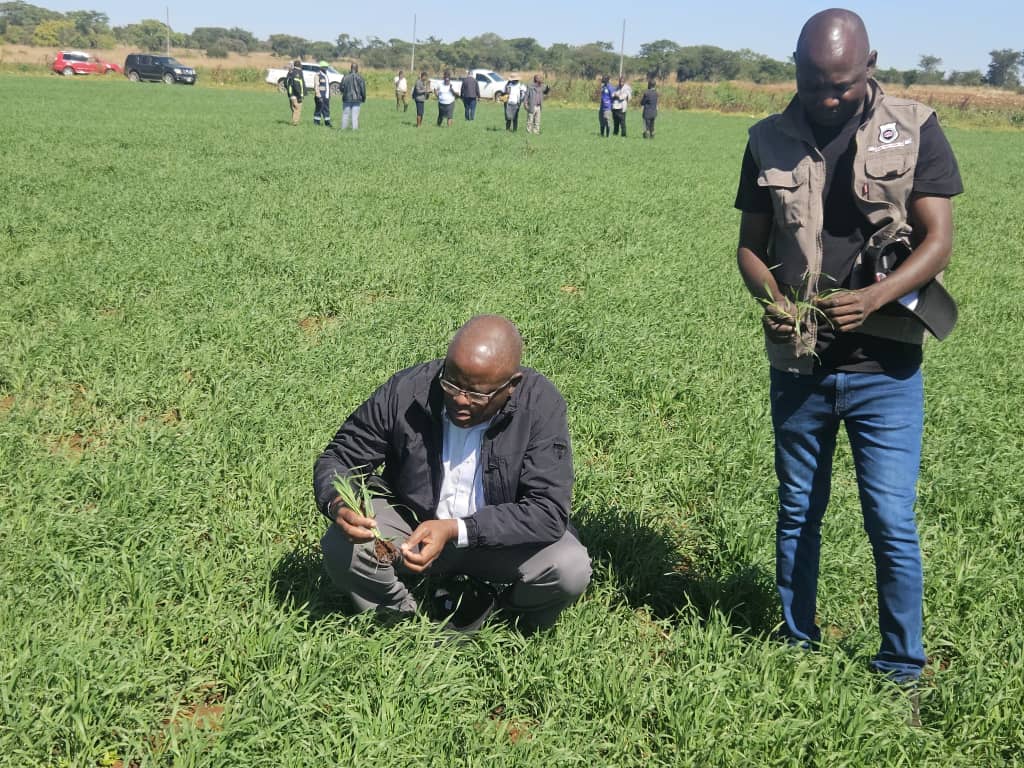
Judith Phiri,Zimpapers Business Hub
THE Ministry of Lands, Agriculture, Fisheries, Water and Rural Development has urged farmers to capitalise on wheat harvesting residue for livestock feed.
Wheat harvesting residue includes the stalks and leaves left after combining, which can be a valuable resource when managed properly.
Zimbabwe is set to harvest over 600 000 tonne of wheat as the planted area 122 142 hectares surpassed the initial national target of 120 000 hectares.
In an interview, Agricultural and Rural Development Advisory Services (ARDAS) acting chief director, Mr Leonard Munamati said they were educating farmers to cut hay earlier.
“We are already working with farmers who have done wheat so that we continue to have hay bales of straw during this harvesting period. We will also be educating farmers to make sure that they are able to cut hay much earlier.
Normally, farmers leave it until it is very late to cut hay with reduced nutrition,” he said.
He said it was key for farmers to have enough hay bales to feed their cattle, while they will also be trained to do urea treatment of stover to increase the protein content.
Mr Munamati added: “During the 2025/26 summer season we have come up with a livestock plan which will be implemented to make sure that we increase the number of livestock especially cattle given that they were once affected by the El Niño-induced drought which was experienced some time ago.”
He said some of the things on the plan was to encourage farmers to grow fodder at smallholder level so that every household can get prepared to make sure that they feed their livestock.
Fodder and silage production has been critical to farmers as they reduce over-reliance on pastures which have become unpredictable due to climate change, while on-farm feed production (OFFP) is playing a crucial role on supplementary feed for livestock.