Online Reporter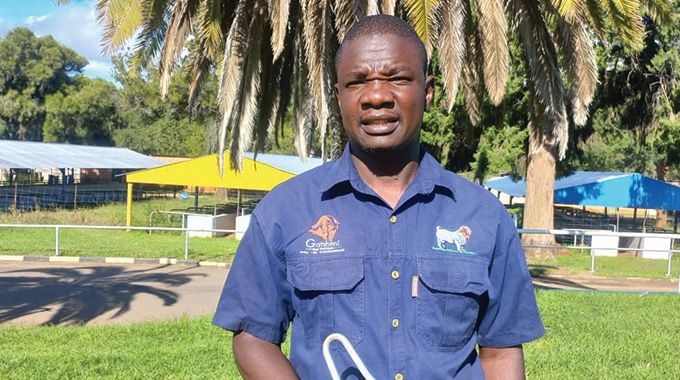
Judith Phiri, [email protected]
THE Goat Breeders Association of Zimbabwe (GBAZ) has elected new leadership as they continue to improve genetic quality, train farmers and promote sustainable commercial goat farming.
Established in 2018, GBAZ aims to revolutionise the traditional goat industry by commercialising and modernising goat breeding practices.
The new elected GBAZ Council will be led by Mr Ntandoyenkosi Ndhlovu as Chairperson, Vice Chairpersons Ms Yvone Sibanda (Southern region) and Mr Tinashe Nyangari (Northern region).
Council members include Mrs Sifiso Agbetorwoka, Mr Naboth Mutambanengwe, Mr Khumbu Makhetho, Mr Mavron Siziba, Providence Shoko and Mbuso Nyathi.
In an interview, the new GBAZ chairperson, Mr Ndhlovu said he was grateful for the opportunity and they will continue to empower breeders to enhance productivity, profitability and sustainable growth in Zimbabwe’s goat farming sector.
“I do like to appreciate all the farmers that were involved in the election process. The team that I will be working and farmers who are not only in Zimbabwe but in Southern Africa and beyond saw it possible and fit for me to take this position.
“Looking at the year 2026 and beyond, GBAZ is looking forward to commercialise goat farming of our indigenous breeds and also the exotic breeds. Our indigenous breeds include the Matebele and Mashona goats, while the exotic breeds include the Boer goats, Kalahari Red and Savanna,” he said.
He said they were also going to assist and empower goat farmers from grassroots in the rural areas, complementing Government efforts.
Mr Ndhlovu said empowering young people and also women from our rural areas and also in the commercial sector was critical.
He added: “We are not only looking to improve or commercialise goats only in Zimbabwe but to see the country getting to a stage where we are able to breed goats that are able to meet the standards in Africa and beyond. We need to also be able to export goat meat and goat breeds from Zimbabwe to SADC, Eastern Africa and Northern Africa as well as other parts of Africa and beyond. So, we are calling all the goat farmers to get involved.”
Mr Ndhlovu said they will visiting farmers in different parts of the country, hosting trainings to equip farmers with goat and sheep management skills in preparation for trade shows such as the Zimbabwe International Trade Fair (ZITF) and auctions.
He said trainings for farmers were not going to be centralised to Bulawayo and Harare only but they will be spread across in different cities and towns such as Chegutu, in Masvingo, Gwanda and Gokwe among others.
“So, we are looking for all farmers that want to be part and parcel of commercialising goat farming to come and join us and work together.
“Why are we taking this step in terms of commercialising goat farming? We have seen that most of the goat farmers in our country are subsistence farmers and very few people have taken goat farming into a commercial level,” he said.
“The majority of the people are farming just to feed their own families, but we are looking forward to upgrade goat farming and take it to another stage where we are able to breed, improve the standards and genetics, so that have our own genetics that are registered with the Zimbabwe Herd Book (ZHB) and be able to export our genetics to other countries.”
Mr Ndhlovu said this will also improve the country’s gross domestic product (GDP) and improve living standards.
He said they want farmers not only to farm goats for their own consumption, but to reach a commercial level where one moves from keeping 10 goats into having 500.
“This we can only do it when we farmers work together as a collective from all regions of Zimbabwe.”
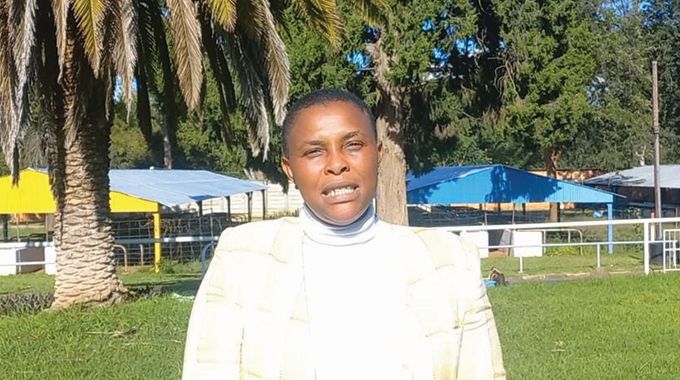
GBAZ committee member, Mrs Gina Gowera from Chegutu, said inclusion of all goat farmers even from smaller towns was critical.
“Goat farming has emerged as a promising alternative for farmers in different parts of the country. We commended GBAZ for an inclusive approach that ensures goat farmers from both urban and rural areas are catered for as well as the youth and elderly,” she said.