Chronicle Editor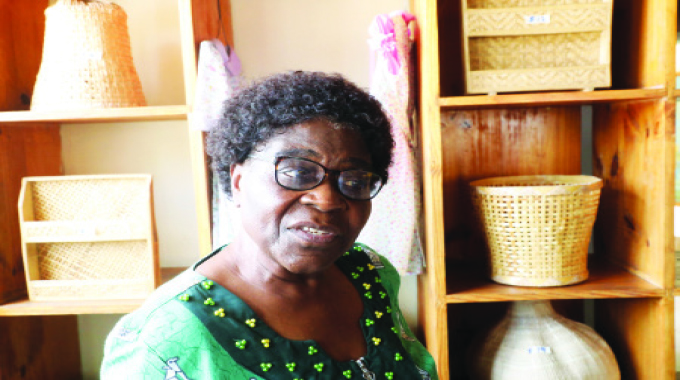
Nqobile Tshili, [email protected]
BULAWAYO Home Industries is more than just a craft centre; for 64 years it has been a place of transformation and empowerment for vulnerable community members who learn how to make products that earn the country foreign currency.
Established in 1960 in Mzilikazi suburb, the centre has been giving more than 300 residents a second chance, teaching them how to weave baskets, mats, among other handmade products from grass.
The craft centre produces products that may not appeal to the local market but are highly sought after in the European market.
The basketry products made in homes such as Mzilikazi, Njube, and Pumula among other suburbs in the city can fetch US$5 going up.

The craft centre is so critical that the Government last week on Friday commissioned the refurbished building, creating a conducive operating environment for more than 300 craftsmen and women utilising the centre.
They are not just changing their home situation, but in a way, they are contributing to the country generating foreign currency, a development that has charmed the Government.
The craft centre was rehabilitated through a joint venture between Bulawayo City Council and Gender Links to the tune of almost US$100 000 while the craftsmen and women were being skilled in financial literacy.
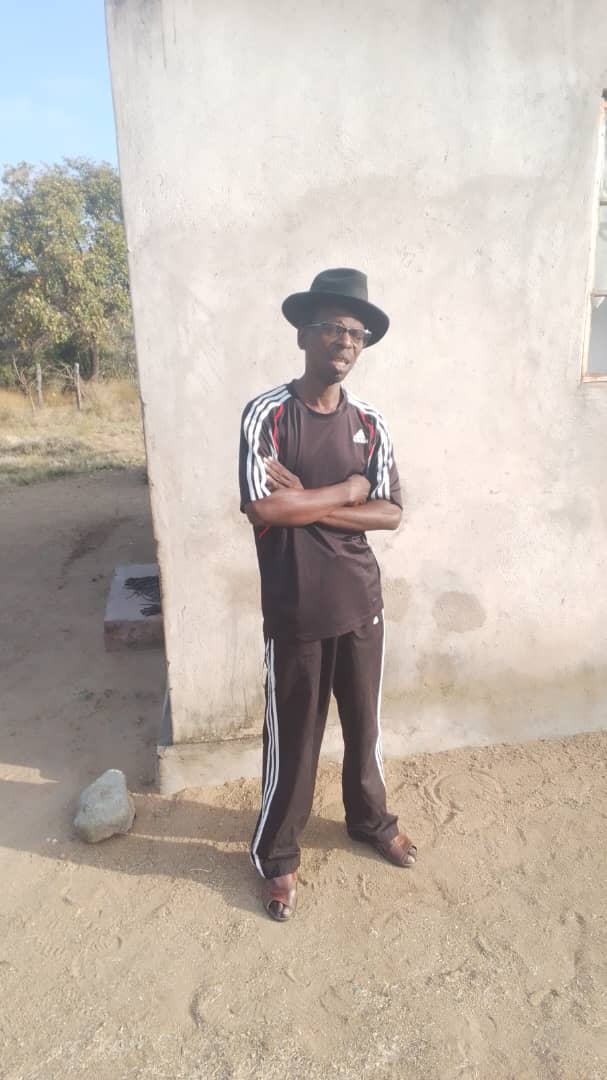
While the craft centre is perceived to be a female-dominated industry, men have also found a home at the Bulawayo Home Industries. One of them is David Dube, who is in his 50s and is a former kombi driver.
He was among the people that benefited from the programmes offered at the Bulawayo Home Industries.
He said when the country was hit by the Covid-19 induced lockdown, he was left jobless as private transporters were closed down as part of the pandemic containment measures.
Dube said he just decided to visit the craft centre to check what was happening with no intention to stay long, but three years later, he is not stuck but makes a living from the skills offered.
“When I came, I realised that there were so many things that were being done that didn’t require me to be educated. Those things were helpful as I’m not employed.
“There are so many incentives and I even got skills that I never thought I would get. Here they are not just doing basketry but there are so many things being made like trays, headboards, jewelry containers. These are some of the things that are made here. Usually if you tell a man that let’s go to Home Industries, they will think of basketry among other things,” said Dube.
He said several innovations are adopted at the centre as there is a woman who conducts market research before coming up with designs they make for the export market. Dube said the coming in of Gender Links improved how he handled his finances, a skill a lot of people in the informal sector lack.
“In 2023, Gender Links came and taught us that this is a business and you can become an entrepreneur and they taught us how to make and keep money, have records on what we are doing and also reaching to the market. I was surprised one day when they asked me how much I was making, I couldn’t say because I didn’t keep records. I didn’t have savings, but from then, I started to save. I became more enlightened.
My life is transformed, of course, the economic situation is difficult but I manage better,” he said.
Another beneficiary of the programme is Sithabelani Ncube, a single mother of two from Njube suburb. She said when she enrolled at the craft centre, she was struggling financially with no skills.
She learned how to weave baskets and mats from grass and also how to manage her finances. She said she now sells her products to local and international buyers and earns enough to support her family.
“I joined this place in 2021, I came here without a skill, so when I came here we found Mrs Ndlovu who is the manager here who started teaching potting amaqhaga.
What I like here is that you are trained. You also don’t struggle for customers for the goods you produce, they search for customers and sell your products, and you will see your money. I’m a single mother of two, I’m able to pay rent and school fees for my children. I’m also able to buy food for my family,” she said.

The craft centre also received commendation from the Government officials who visited the facility last week. Bulawayo Provincial Affairs and Devolution Minister Judith Ncube, who also worked at the same facility before taking political office, noted the importance of the craft centre, especially in helping the less privileged, saying it helps in leaving no one behind in line with the Government’s thrust.
“A lot of people gain skills when they come. Some of them do on-the-job training. We hope this project grows and embraces more vulnerable citizens,” said Ncube.
She recalled how she also contributed to the growth of the initiative stating that she introduced an outreach where council social welfare officers identified community members who needed assistance to enrol on the programme.
Local Government and Public Works Minister Winton Chitando, commended the crafts work at Bulawayo Home Industries, saying it was thrilling to see communities in their homes, generating foreign currency for the country.
“These projects are generating income for the pocket and most importantly these projects are generating foreign currency. They are making goods in the home which are going for export and I think this is very fantastic.
As Government we want to see this being replicated across other places to have an organised system where people in the home are making goods going for the export market,” Minister Chitando.
He said the projects dovetail with the Ilizwe Lakhiwa ngabanikazi balo philosophy and is an important step towards the attainment of an upper middle-income status as enunciated by the President.
“It is absolutely commendable to see commodities for export and this is in line with Vision 2030. Economic development is not an event but a process and we are seeing this economic development,” he said.– @nqotshili


 Online Reporter