Online Reporter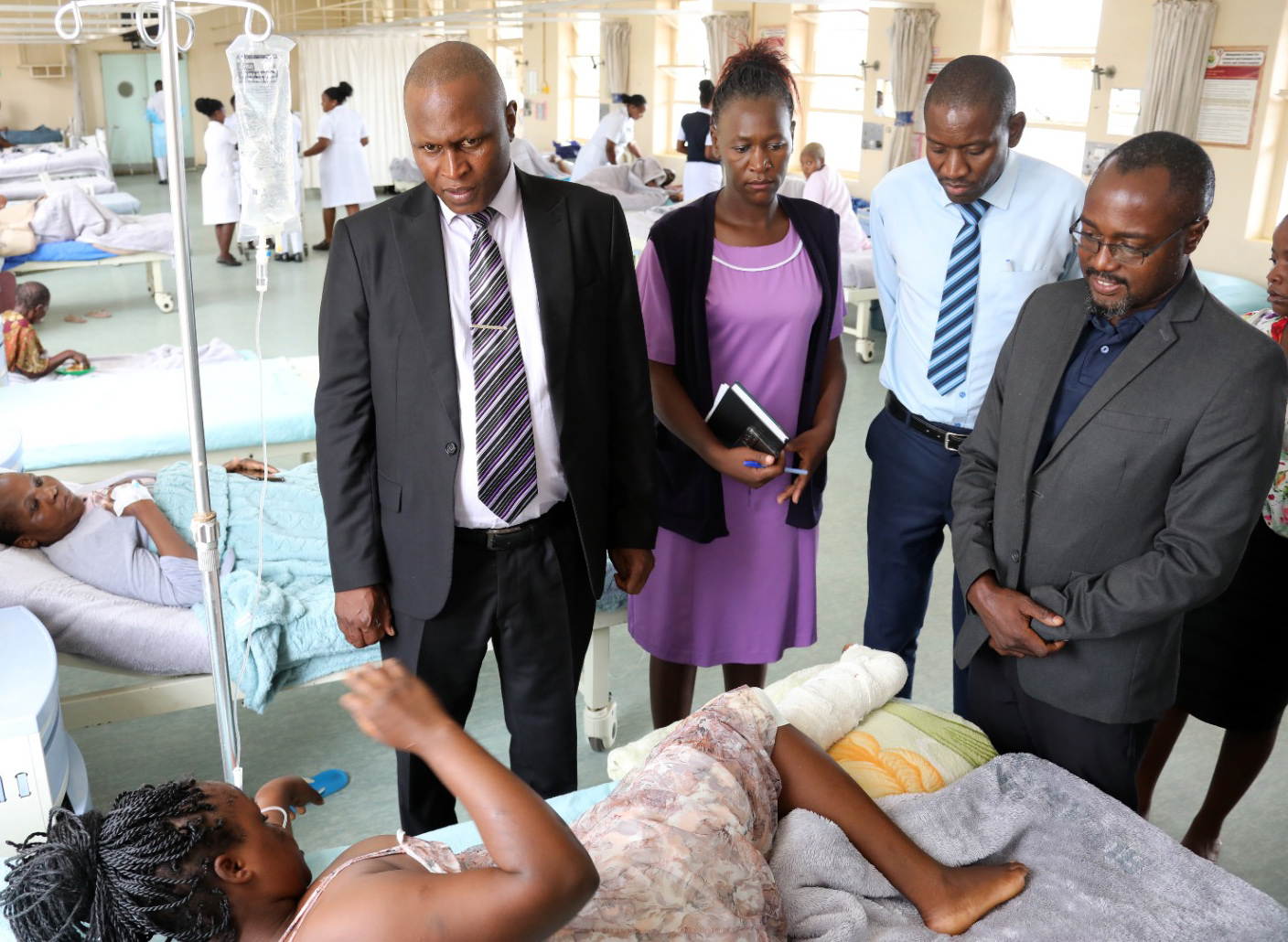
Sikhumbuzo Moyo, [email protected]
THE Ministry of Health and Child Care has announced plans to reintroduce ‘locum’ and on-call allowances for health personnel, a move meant to stem the sector’s continuous skills flight.
The ministry already has an ambitious plan to increase the number of public health personnel in Zimbabwe to 128 000 by 2030, a significant leap from the current workforce of 55 000.
This includes doubling nurse training intake numbers and improving working conditions for health professionals.

Since the late 1990s, Zimbabwe has suffered a significant brain drain of health professionals, crippling the public health system.
The World Health Organisation (WHO) notes that this has been a persistent challenge and to combat this, the Government is working with the WHO and other stakeholders to strengthen the health system and enhance the working environment for healthcare workers.
In that regard, the proposed allowances will cover all personnel working in the public health sector, Deputy Minister of Health and Child Care, Sleiman Kwidini, who visited the United Bulawayo Hospitals (UBH) and met management and staff yesterday said.
“As a ministry, we will be re-introducing Locum and on-call allowances for our health personnel, a move meant to motivate them and also ensure we reduce or stop the skills flight in the sector,” he said.

Deputy Minister Kwidini said Locum was motivating the health personnel to be at work time and again as well as reducing the turnaround time of patients at the hospital because there would not be any staff shortages at any given time.
Locum refers to a person who temporarily fills a position, usually in a professional or medical context. Locums are often used to cover staff shortages, maternity leave, or other absences.
In the medical field, locum doctors or nurses provide temporary medical care to patients, often in hospitals, clinics, or general practices. Locums can also be found in other industries, such as law, education, or business, where they may provide temporary support or cover for a specific-role.
The benefits of hiring a locum include flexibility, cost-effectiveness, and the ability to maintain continuity of service during periods of staff shortage.

Deputy Minister Kwidini said the outcry that doctors are not readily available to attend to patients at public health institutions was because some would have gone out for locums at private institutions where they are given incentives yet as a ministry such a set-up used to be available.
He said some of the technical and mechanical challenges in public health institutions were acts of sabotage by some unscrupulous personnel within the health sector.
“Some of the problems we are seeing in hospitals, especially mechanical faults are being caused by our own people because they would want to ground the systems so that they can do practice in the private sector where they can get more money,” said Deputy Minister Kwidini.
He said they will be engaging the Health Service Commission (HSC) and the Ministry of Finance, Economic Development and Investment Promotion to make available funds for the successful and seamless implementation of the programme, which is critical in ensuring access to health by citizens as the country surges towards fulfilling its Health Workforce Strategy (2023-2030).
The strategy is meant to transform the country’s human resources for health capacity in ensuring the highest quality of life for all Zimbabweans by 2030.

“Once this programme takes off, we won’t allow any public health worker to do locum anywhere else, other than in our institutions,” said Deputy Minister Kwidini.
He said he made an impromptu visit to the health institution where he also visited four survivors of the Beitbridge horror accident that claimed 24 lives when an Urban Connect bus and an Auro Transport haulage truck collided head-on at Lutumba tollgate, about 25km out of Beitbridge Town, along the Beitbridge-Masvingo road on Thursday last week.
The horror crash has since been declared a national disaster by President Mnangagwa.