Online Reporter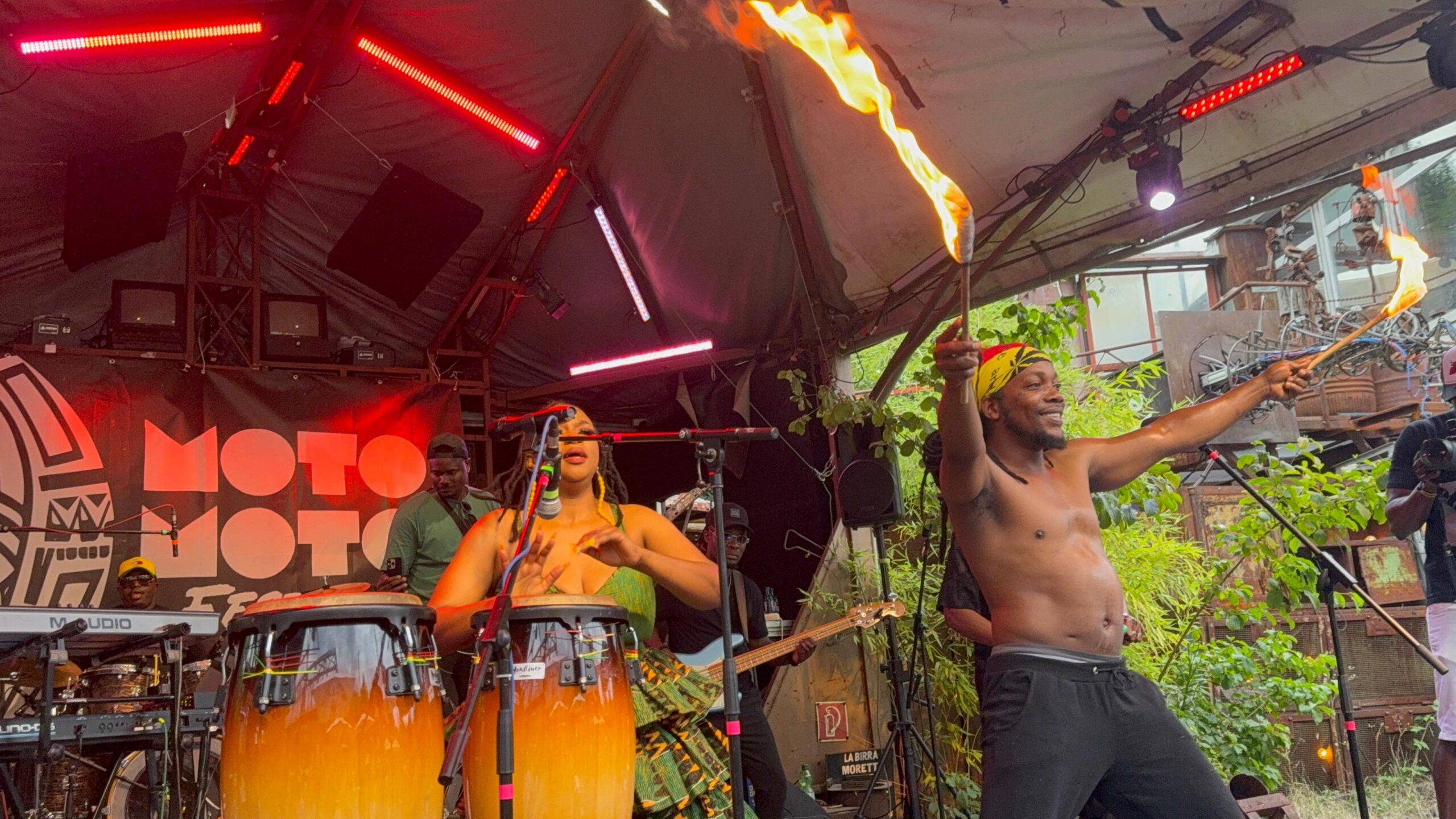
Mthabisi Tshuma,Zimpapers Arts and Entertainment Hub
The second edition of the Moto Moto Festival has once again proven to be a vital platform for showcasing Zimbabwean talent on the global stage, highlighting both the country’s artistic depth and the gap in international exposure for local acts.
Held on Saturday, July 19, in the heart of Cologne, Germany, the festival ignited the iconic Odonien venue with a fusion of rhythm, colour, and African creativity. People from across cultures and continents gathered under the theme “Afro. Culture. Future.” to celebrate the richness of African artistry, with Zimbabwean performers stealing the spotlight.
In an international music space often dominated by artistes from West and North Africa, Moto Moto Festival boldly placed Zimbabwean voices front and centre. A line-up of 34 performers, including artistes from the diaspora in Germany and the UK, brought an electrifying mix of traditional music, hip-hop, Afro-fusion, dancehall, and mbira sounds.
Unforgettable moments came from Nkayi-born rap goddess Awa Khiwe, whose fierce Ndebele hip-hop set the stage alight, and Feli Nandi, who charmed the crowd with her soulful Afro-fusion and polished performance.
Nisha Ts, making her European debut, delivered a fiery act that reflected Zimbabwe’s evolving contemporary sound. Her performance showcased how local artistes can stand shoulder to shoulder with global stars.
Mokoomba, known for their world-class sound and energy, gave a high-octane set packed with international finesse. At the same time, Pamuzinda reminded audiences of Zimbabwe’s cultural heartbeat with their traditional drumming and dynamic dance performances.
Other acts included Munashe Lorraine (Cologne), UK-based Jah Hanief and Lil Jam, mbira maestro Mary Anibal, and the hypnotic beats of DJ Blaze from Harare.
Festival founder Plot Mhako shared how Moto Moto is filling a critical gap by positioning Zimbabwean talent in global conversations.
“This year affirmed what we’ve always believed, Zimbabwean creativity is world-class. The atmosphere, the performances, and the connections forged here were electric. Moto Moto is more than just a festival; it’s a cultural bridge connecting Zimbabwe to the rest of the world,” he said.
Mhako highlighted that, despite Zimbabwe’s rich artistic heritage, many local talents lack the platforms and international visibility they deserve.
“Moto Moto is committed to being that springboard. Looking to 2026, we aim to expand by spotlighting artistes from across the Southern African region while deepening our role as a hub for cross-cultural exchange and continental collaboration,” Mhako added.
The next edition of Moto Moto Festival is set for July 18, 2026.