Online Reporter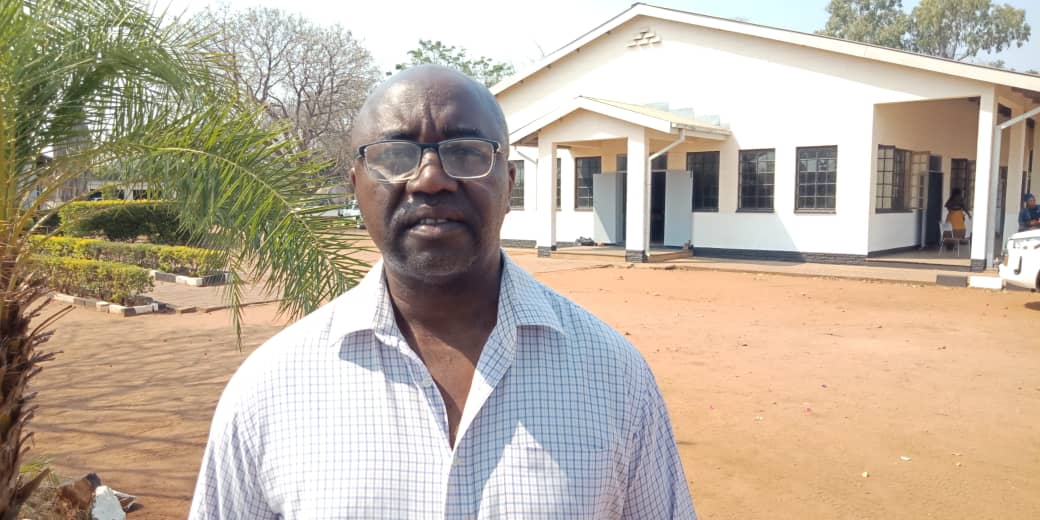
Amos Mpofu, Zimpapers Reporter
Tsholotsho Rural District Council has set ambitious targets to address some of the district’s major environmental challenges, including achieving zero veld fires by 2030 and ensuring that every homestead has a pit latrine by the end of 2027 as part of efforts to eliminate open defecation.
Council chairperson Councillor Rofas Ndlovu said the targets were part of efforts to address veld fires, land degradation, poor sanitation, waste management and drug and substance abuse, which the district has identified as major environmental and social challenges requiring urgent action.
The issues were raised during a two-day Local Environmental Action Plan (LEAP) development workshop held at the Roman Catholic Church in Tsholotsho Centre from 2 to 3 September.
The workshop, organised by the Environmental Management Agency (EMA) in partnership with Tsholotsho Rural District Council, brought together traditional leaders, councillors and community representatives to identify local challenges and develop practical solutions for sustainable development.
“We identified that, as Tsholotsho, there are specific issues that we need to look into. One was the issue of veld fires and how we can control those in the district to achieve zero by 2030.
“We also identified that in the district we’re lagging behind, mostly in rural areas, in solid waste management, that is sanitation. We have set ourselves a target in Tsholotsho that by the end of next year, 2027, every homestead should have a pit latrine toilet to achieve a zero open-defecation programme in Tsholotsho,” he said.
Councillor Ndlovu said the district also needed to improve recycling and waste management, particularly in Tsholotsho town, where plastic litter remains a concern.
He said the workshop had provided an important platform for district leadership, traditional leaders and communities to collectively identify and prioritise the challenges facing Tsholotsho.
“We began the process by identifying the challenges that Tsholotsho as a rural district council is facing. The major issues that came out included land degradation, solid waste management, water and sanitation, and there were a variety of reclamation issues,” he said.
In accordance with Section 95 of the Environmental Management Act [Chapter 20:27], every local authority is required to develop and implement a Local Environmental Action Plan.
The LEAP serves as a community-driven roadmap for sustainable development by identifying local environmental challenges, including waste management, wetland protection, pollution control and land degradation, and outlining practical measures to address them.