Chronicle Editor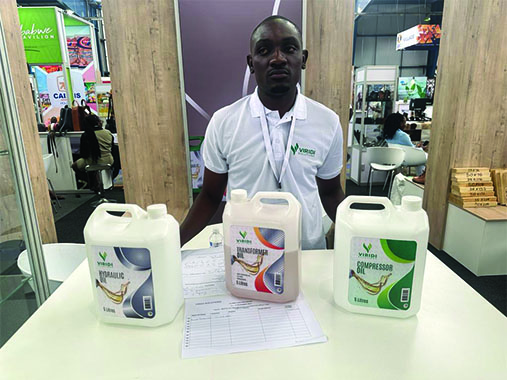
Prosper Ndlovu recently in Botswana
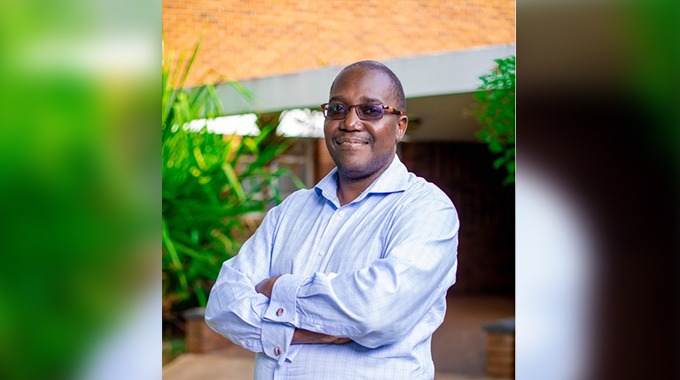
AS Zimbabwe continues to suffer rampant vandalism of electricity infrastructure and theft of transformer oil, entrepreneur and chemical engineering graduate, Mr Collen Moyo, has developed a vegetable-based oil substitute, which is also fire-proof.
The invention could help Zimbabwe reduce harmful carbon emissions in line with global climate change mitigation commitments.
Armed with a chemical engineering degree from St Petersburg University in Russia, the 34-year-old industrialist says he started exploring the project sometime in 2016, culminating in the establishment of Viridi Solutions (Pvt) Limited Company. The name “viridi” is a Latin word that means “green”.
The company produces vegetable transformer and hydraulic oils for heavy vehicles, and other green oil solutions for rock-drilling machines, marine and locomotive oil, as well as electric vehicles.
Mr Moyo was among the 23 Zimbabwean businesses that exhibited their goods and services at the 2023 Global Expo Botswana, which ended on Saturday in Gaborone.
His exhibition stand was one of the attractions at the country’s giant pavilion, as private sector players and potential investors sought to learn more about the company’s products.
“We are a young company based in Harare and our vegetable oil products are critical in addressing the issue of vandalism and theft of transformer oil in the country. Our oils are also fireproof and bio-degradable in line with the country’s climate action,” said Mr Moyo.
“Our emphasis is on the green solutions approach hence we use vegetable raw materials such as sesame seeds, castor oil and sunflower.
“We have an oil pressing plant where we crush these and then add them into different oil products.”
Mr Moyo said they have been getting enquiries from players keen on electric vehicle production, and other industrial oils.
He said the reason why electricity transformers were being targeted by thieves was due to the fact that the oil allows users to blend it with diesel as these have similar chemical processes.
“Criminals would always have a ready market for it from different players who use diesel equipment including those who make or use transformers.
“However, vegetable oils can solve this problem as our products cannot be blended with diesel, and the transformer oil is not edible,” said Mr Moyo.
“They also have better thermal withstanding ability compared to minerals, which means they can help reduce fire incidents and damage of transformers due to potential explosions and related incidents.”
Mr Moyo said at the moment Viridi Solutions is producing nearly 5 000 litres of vegetable oil per day and the company is keen to engage power utility, Zesa to explore the product, as well as other private sector players.
He said last year when they exhibited in Kitwe, Zambia, the product generated a lot of interest and since then more users have expressed a desire to embrace it while some have sought to entice Viridi to set up a base in that country for enhanced partnership.
“We are eager to increase our production capacity and expand our supplies to the rest of southern Africa. We are also marketing our product at home and have been into major cities showcasing this,” said Mr Moyo.
“We have also been to Mozambique and we will be going back there soon to iron out some potential business deals as we see huge opportunity in this. We emphasise green solutions to the economy including feedstock.”
As such, Mr Moyo said they were working with smallholder farmers in the country to drive increased production and supply of raw materials such as sesame seeds, sunflower, and soya beans.
The young entrepreneur says chemical engineering expertise as well as the accounting qualification have become handy in enhancing the management of the business, which has a lean administrative staff, and due to its size, employs a few qualified special chemists, marketing personnel and some general workers.
Mr Moyo said participating at the Botswana expo has also boosted their confidence following positive market feedback.
He said the adoption of climate-friendly and environmentally sustainable business approaches is the way to go.



 Online Reporter