Chronicle Editor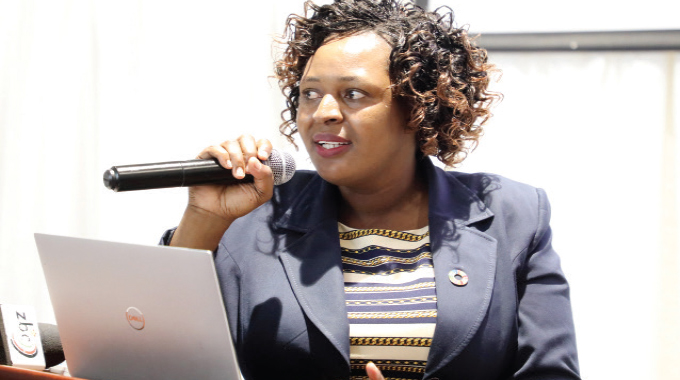
Nqobile Tshili, [email protected]
ZIMBABWE continues to make strides in driving equitable development across the country and is determined to achieve Sustainable Development Goals (SDGs) despite the adverse impacts of climate change, global financial shocks and geo-political conflicts, which have become major drawbacks to progress, a senior Government official has said.
The country is part of the global community that adopted the 17 SDGs in 2015 as a successor to the Millennium Development Goals, which are mainly focused on alleviating poverty by 2030.
A Voluntary National Review consultation process to assess the progress that has been made in implementation of SDGs is already underway.
The ongoing process will contribute to the national report to be presented before the United Nations headquarters next year.
On Tuesday, several interest groups converged at a Bulawayo hotel to take stock of what the country has done so far in implementing projects aimed at meeting the SDGs targets.
Deputy director responsible for SDGs and Agenda 2063 in the Ministry of Public Service, Labour and Social Welfare, Ms Sylocious Chatukura, said conflicts and environmental disasters were a threat to SDGs locally and globally.
“Globally we see that only 15 percent of the indicators are on track, 48 percent are stagnant and 37 percent have actually regressed. We are seeing that we are not an exception,” she said.
“It’s actually a global issue, the Covid-19 pandemic, we are also being affected by climate, we are also being affected by geo-political tensions and global financial crisis. These are some of the issues that are affecting SDGS both nationally and globally,” said Ms Chatukura.
She said Zimbabwe has made moderate progress in implementing SDG number 5, which speaks to gender equality, SDG12 on responsible consumption and production and SDG13 on climate action.
“These are the only goals that are moderately improving, other goals are actually stagnant and they are other goals that have actually regressed. Seven of our goals have remained stagnant, five regressed and we have no data for SDG10 and SDG14,” she said.
“So, this is where we are but this is not peculiar to Zimbabwe alone because globally, we also note the same trend.”
SDG 10 speaks to reducing inequalities within and among countries while SDG 17 aims at strengthening global partnerships.
Ms Chatukura said while setbacks have been experienced in the implementation of SDGs, the Government is implementing measures to ensure that negative shocks are mitigated.
She said the Government’s response to Covid-19 is a clear example of the inclusive approach to addressing matters that affect access to health, a component of SDG3.
“As policy makers we try to come up with some corrective measures and strategies for example we saw the response that the Government took together with the development partners to address Covid-19 by ensuring that they avail vaccinations on time and they prioritised such,” she said.
“The same applies to climate change, Government has developed a nationally determined contribution policy document, which aims to address issues around climate. It is also in the process of coming up with a national adaptation plan, which is also a key document, which enables us to be resilient in relation to climate.”
She said the consultative workshops were critical in coming up with an informed position before the Government takes the SDGs review process to the United Nations.
“This is a consultative workshop where we are gathering SGDs implementation progress that we want to report, which we will present at the 2024 High Level Political Forum in New York,” said Ms Chatukura.
“It is a global stock take of the SDGs implementation in Zimbabwe. These consultations will enable us to come up with this report, which shows the status of implementation of SDGs in Zimbabwe.”
Heads of Government departments, civil society organisations, people with disabilities and their representatives participated in the workshop.
Ms Chatukura said a broad-based approach was critical as no one should be left behind.
“This is in line with key principles of SDGs, which stipulates that we leave no one behind. It is also in line with the country’s mantra of leaving no one and no place behind,” said Ms Chatukura.
She said the first consultative workshop was done in Harare with the second and third one being done in Bulawayo and Gweru. – @nqotshili



 Online Reporter