Online Reporter
Nqobile Bhebhe [email protected]
ZIMBABWE’S drive to attain upper-middle-income (UMI) economy status by 2030 is increasingly being anchored on improving the quality of life of citizens, with Government identifying infrastructure development as a critical enabler of inclusive economic growth.
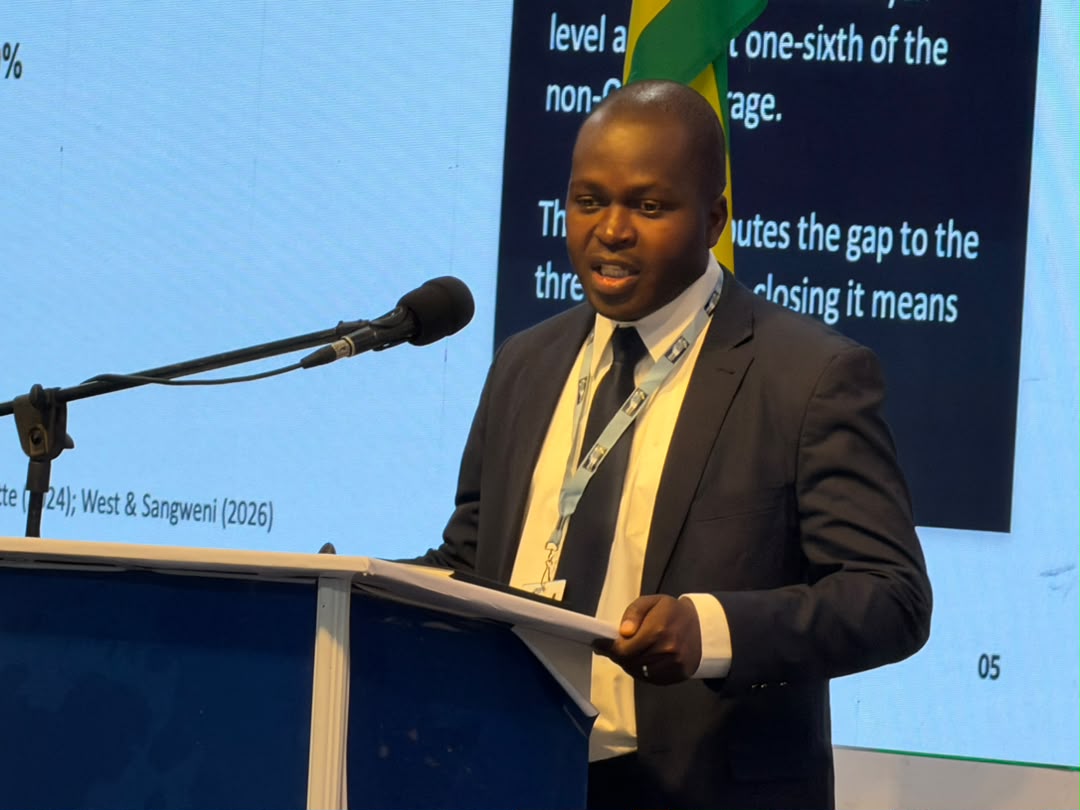
Finance, Economic Development and Investment Promotion Deputy Minister David Mnangagwa said while the country remained on track in terms of key income indicators, the infrastructure deficit remained a major threat to translating economic progress into improved living standards.
He said this on the sidelines of the fifth Zimbabwe Economic Development Conference (ZEDCON) 2026 in Bulawayo, where policymakers, researchers and the private sector were discussing strategies to accelerate economic growth and support the country’s development agenda.
“As we look at our journey towards becoming an upper-middle-income economy, the numbers show that we are on track,” said Deputy Minister Mnangagwa.
“If we look at stability parameters in terms of GNI and the income that will determine whether an upper-middle-income economy, we are on track, but there is an infrastructure deficit that will affect the quality of life of our ordinary Zimbabweans if we are unable to address that.”
Deputy Minister Mnangagwa said the focus should therefore extend beyond the income measures used to classify an economy, to whether citizens experience tangible improvements in their daily lives.
“His Excellency President Mnangagwa preoccupation is not with the quantitative numbers of what it is to be an upper-middle-income economy, but rather are we enjoying the same quality of life that is enjoyed by other countries that enjoy that same status,” he said.
Infrastructure investment is expected to remain central to the country’s economic strategy, with Government seeking greater collaboration with the private sector to unlock capital for projects that can support productivity and economic expansion.
“So we intend over the next three days to ventilate on this issue. Our government can come together with the private sector to make sure that we catalyze growth towards infrastructure development, which again is an economic enabler which will further catalyze growth,” he said.
The Deputy Minister said the quality-of-life dimension was particularly important given the migration of young Zimbabweans to neighbouring countries such as South Africa, Botswana and Namibia in search of better opportunities and living conditions.
“When we talk about an upper middle income economy, the preoccupation is not just on whether we reach a GNI capital of a certain amount by a certain period,” he said.
“The whole idea is if we look at other countries that enjoy an upper middle income status economy, South Africa, Botswana, Namibia, this is where our young Zimbabweans are immigrating to.
“We want to reach a position where that same quality of life that they seek is also available here.”
Deputy Minister Mnangagwa said NDS2 would place emphasis on addressing the basic economic and social conditions that shape citizens’ everyday experiences.
“So if you are looking at access to markets, access to financing, whether it is data, the basic lived realities are the ones that we need to address both at a personal level and at a social and public service point of view. This is what NDS2 is focusing on,” he said.
The infrastructure push comes as Zimbabwe seeks to mobilise capital for roads, energy, water, housing, digital infrastructure and other productive assets required to support industrialisation and improve the business environment.
ZEDCON 2026 is providing a platform for Government, business, academics and researchers to interrogate the country’s development trajectory and generate evidence-based policy interventions to support accelerated economic growth.