Online Reporter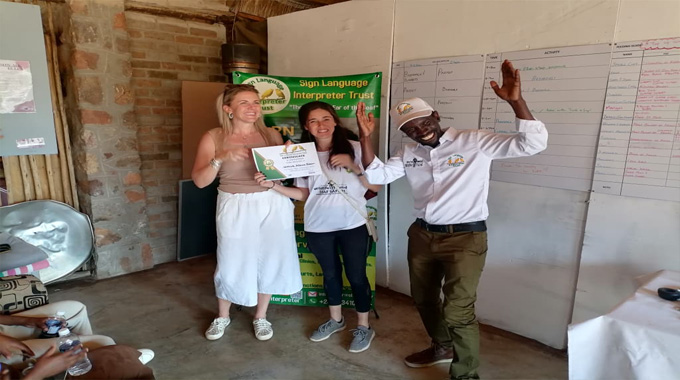
Mbulelo Mpofu, Zimpapers Arts and Entertainment Hub
RECENTLY, the Sign Language Interpreter Trust (SLIT), acclaimed arts practitioner Styx Mhlanga, and the Free To Be Wild Wildlife Rehabilitation Centre joined forces for a groundbreaking initiative — a powerful fusion of accessibility, artistry, and environmentalism.
Their collaborative workshop at Free To Be Wild in Bulawayo marked the launch of a pioneering project, Promoting Inclusive Conservation Practices Through Deaf Engagement and Environmental Restoration, made possible by the DierenPark Amersfoort Wildlife Fund (Netherlands). This initiative directly addresses a long-standing barrier by uniquely combining sign language training for conservation professionals with arts-based environmental education for the Deaf community.
For SLIT, integrating art into conservation was a natural progression. They enlisted their “long-time friend”, arts practitioner Styx Mhlanga — brother to the late national arts icon Cont Mhlanga — to lead the creative engagement with Deaf participants.
SLIT Executive Director Mbiko Nxumalo outlined the project’s innovative dual approach.
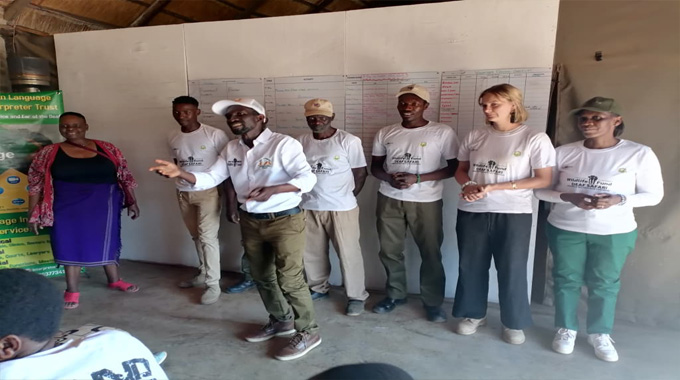
“We are training staff in wildlife and conservation programmes to communicate in Zimbabwe Sign Language (ZSL) and understand Deaf awareness. At the same time, we bring the Deaf community into contact with this staff so they can communicate in their own language,” he said.
This model addresses years of unintentional exclusion and empowers the Deaf community to actively participate in protecting Zimbabwe’s biodiversity. Nxumalo highlighted the project’s transformative potential.
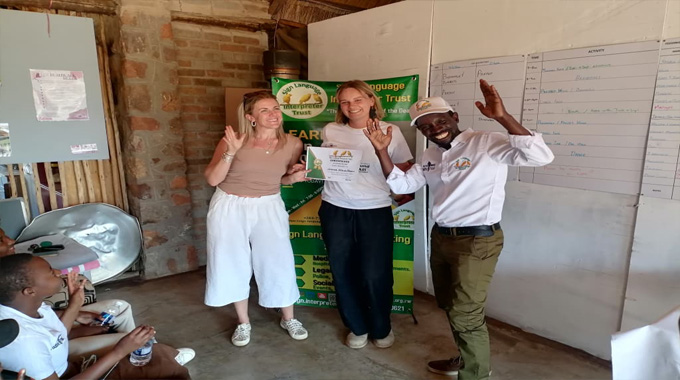
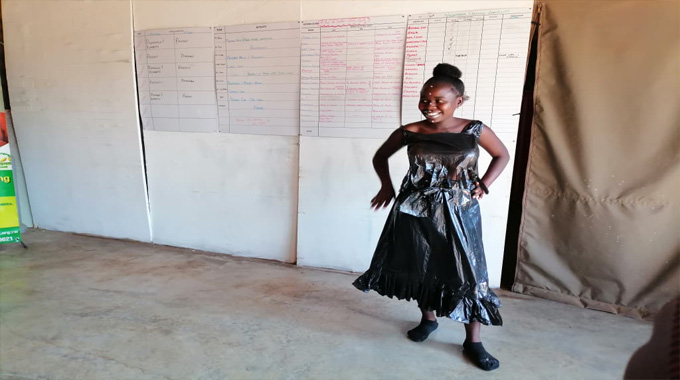
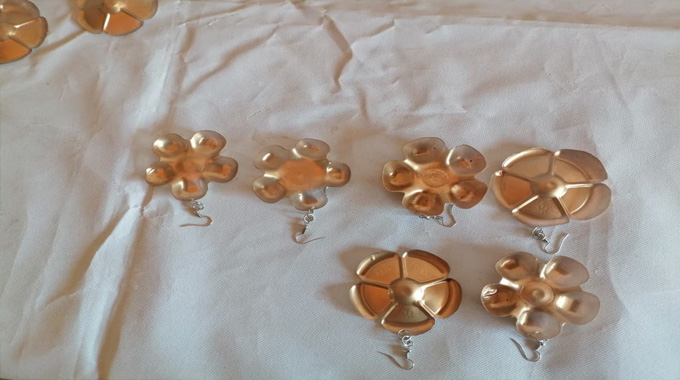
“The Deaf community also has talent. They can perform drama and possess various skills, such as crafting — recycling and transforming waste materials into jewellery.”
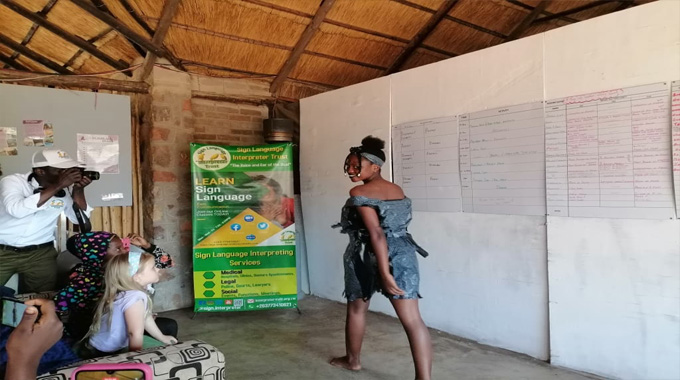
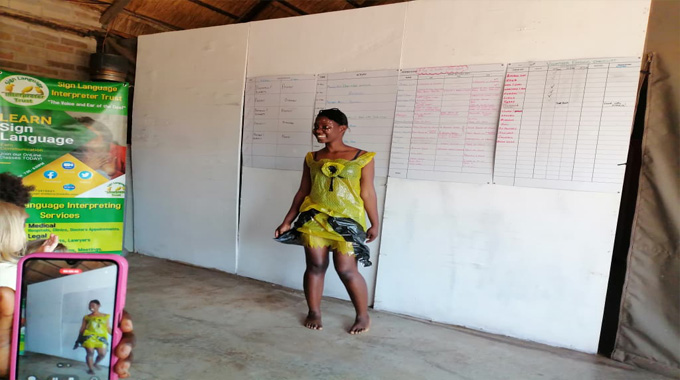
The workshop vividly demonstrated this, with participants expressing themselves artistically and being understood.
This emphasis on artistic expression was central to the workshop. Styx Mhlanga described working with the all-Deaf cast as “amazing”, noting that art provided a powerful medium to communicate critical conservation themes. One key theme — a first for wildlife conservation outreach to the Deaf in Zimbabwe — was transforming waste into resources.

Michael Zowa, Project Lead from Ecobeads, played a crucial role in this component. Under his guidance, discarded items such as Jacaranda seeds, plastic bottle bottoms, and old CDs were reborn as beautiful jewellery. These creations embodied the workshop’s message of resourcefulness and environmental care, while also equipping participants with job skills through waste collection and sorting.
The Bulawayo workshop is just the first step in a nationwide movement. SLIT has ambitious plans to replicate this model across Zimbabwe’s key conservation areas.
“We are going to be touring the whole country with this programme. We still need to go to Harare, Hwange, Beitbridge, Gonarezhou — all the national parks in the country. We are going to train staff in basic sign language, then bring the Deaf community so they can access the services,” Nxumalo stated.
This drive for national inclusivity resonates with a broader national ethos.
“As the President has been preaching inclusivity, we are leaving no one behind. Deaf people have been left behind — not by design, but because it’s not always obvious when someone is Deaf. So we want to bridge that gap,” Nxumalo said.
For Free To Be Wild, the partnership is a game-changer. Founder Baye Pigors expressed profound enthusiasm, stating, “It’s an amazing collaboration… we now have the capacity to offer conservation educational tours to the Deaf community of Zimbabwe.”
By skilfully weaving together sign language training for conservation staff, drama, practical craft skills, and immersive environmental education, SLIT, Mhlanga, and Free To Be Wild have created a powerful template. This initiative ensures the vital message of wildlife conservation resonates across the sound barrier, empowering the Deaf community not merely as recipients of knowledge but as active participants, artists, and advocates in safeguarding Zimbabwe’s natural heritage.


 Bongani Ndlovu