Online Reporter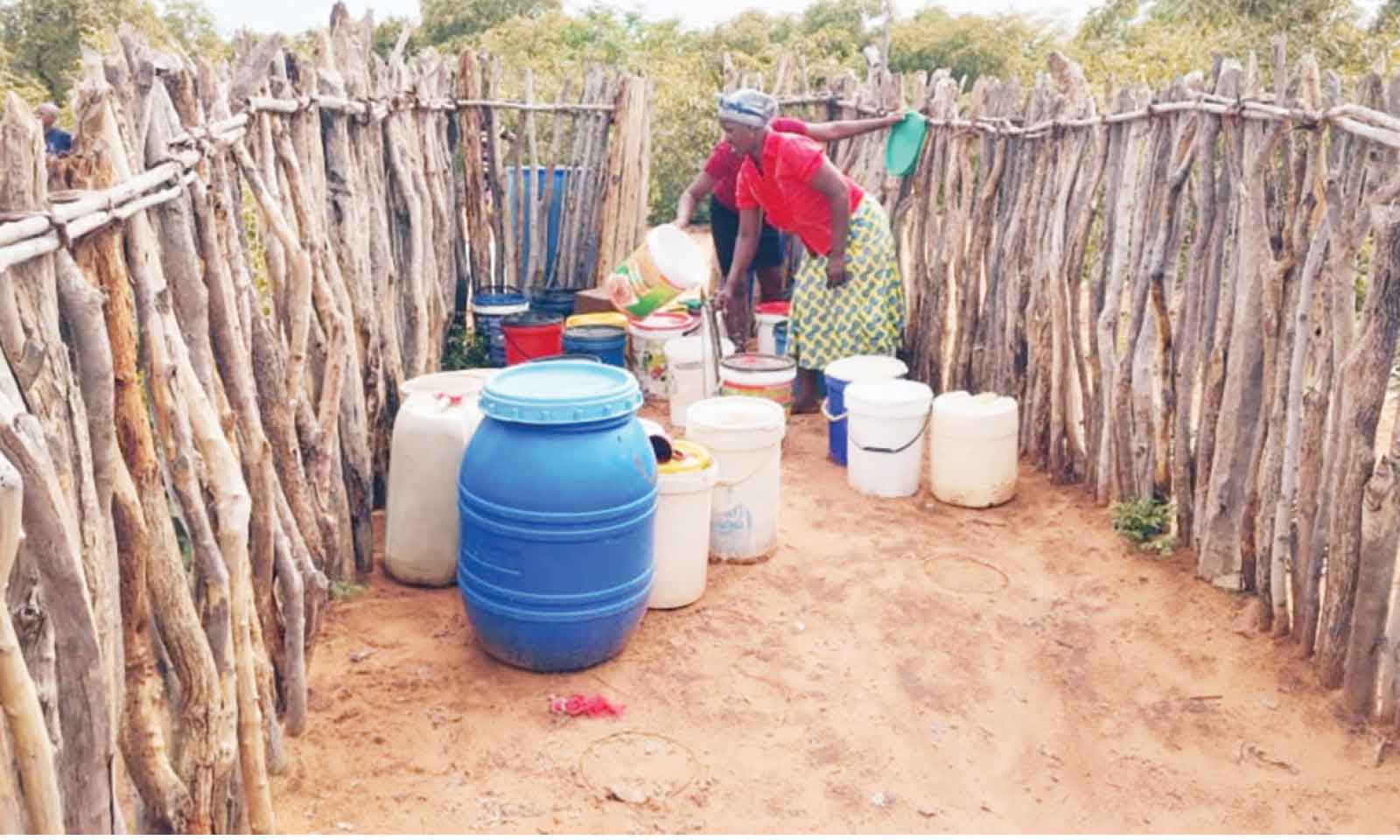
Ivan Zhakata
Herald Correspondent
Healthcare delivery and learning conditions in Mlibizi, Binga have improved following the rehabilitation and upgrading of a 65-kilometre ZINWA piped water system under a United Nations Development Programme-supported project.
The project has extended access to potable water to more than 40 000 people, 10 schools and two rural health centres while also supplying bulk water to a 20-hectare irrigation scheme and four one-hectare community gardens benefiting 188 households.
At Siansundu Rural Health Centre, nurse-in-charge Mr Gideon Muzamba said the intervention resolved long-standing water challenges that had disrupted service delivery.
“We had water in the Zinwa system, but it was no longer functional, forcing us to rely on community boreholes and even ask patients to fetch water,” he said.
“Since UNDP installed the water system, we now have running water within the facility, including in nurses’ wards.”
Mr Muzamba said the availability of water has reduced delays in consultations, improved hygiene standards and strengthened infection prevention and control measures, particularly in critical areas such as the labour ward.
“In a labour ward, water is essential for cleaning, sanitation and infection control. With running water, we can safely conduct deliveries, wash linen and ensure proper hand hygiene for staff and patients,” he said.
Mr Muzamba said the intervention has improved the administration of medication at clinic level and reduced the risk of cross-infection through regular handwashing.
Meanwhile, schools connected to the upgraded ZINWA pipeline and solarised under the project have also recorded improvements.
Bunsiwa Primary School SDC chairperson, Mr Leonard Mudenda, in Ward 10, Bunsiwa Area, Siachilaba Ward 9 under Chief Siachilaba said the project has transformed the school’s learning environment.
“The school now has access to clean, safe drinking water for the first time and handwashing facilities have significantly improved sanitation for both learners and teachers,” said Mr Mudenda.
He said the installation of a 5kVA solar system has provided reliable electricity, improving classroom conditions and enabling the school to operate effectively beyond daylight hours.
Following the project, 10 schools were solarised, while access to clean water has reduced the distance travelled to water sources, particularly for women and girls, and improved health outcomes through better sanitation and hygiene practices.
The irrigation and community gardening components of the project are expected to strengthen food security, empower women through income-generating activities and stimulate local economic activity.
However, Mr Muzamba said some surrounding communities remain without reliable access to water and called for the extension of the project to other catchment areas, as well as the rehabilitation of non-functional solar lighting systems at health facilities to support emergency services at night.