Online Reporter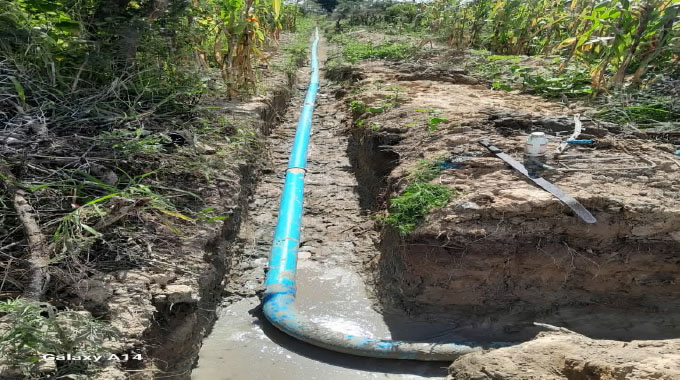
Ronald Mpofu, [email protected]
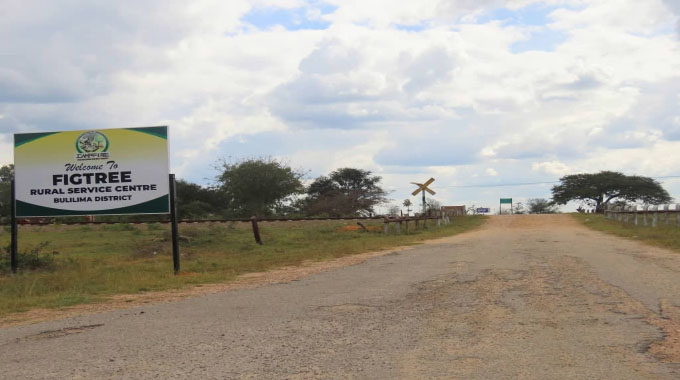
Bulilima Rural District Council (BRDC) says work is progressing well at the Figtree Phase 3 housing project, as the local authority moves to deliver fully serviced residential stands to home seekers.
Located about 70 kilometres from Plumtree along the Bulawayo Road, the development is steadily taking shape, with major infrastructure works now visible on the ground. From water pipes being laid underground to roads being graded and prepared for further construction, the project is beginning to resemble the residential area many families hope to call home in the near future.
Unlike many housing developments where residents often wait years for basic services, BRDC says its goal is to ensure that people receive stands that already have essential infrastructure in place.
Over the past few weeks, activity at the site has intensified, with construction teams working on several key projects at the same time. Water reticulation works are underway, roads are being prepared, and plans are in place for the installation of street lighting across the development.
In a statement, BRDC expressed confidence in the progress being made.
“Council is fully committed to delivering serviced stands at Figtree Phase 3 and is pleased to report significant on-site progress made over the past several weeks,” said the council.
For any new housing development, access to clean and reliable water is among the most important services. BRDC says this is currently the main focus of the project.
“The most critical work right now is the water reticulation network. This is the system of pipes that will bring clean water to every stand. Excavation teams are digging trenches along the main access roads. As soon as a section is dug, pipe-laying teams follow behind.”
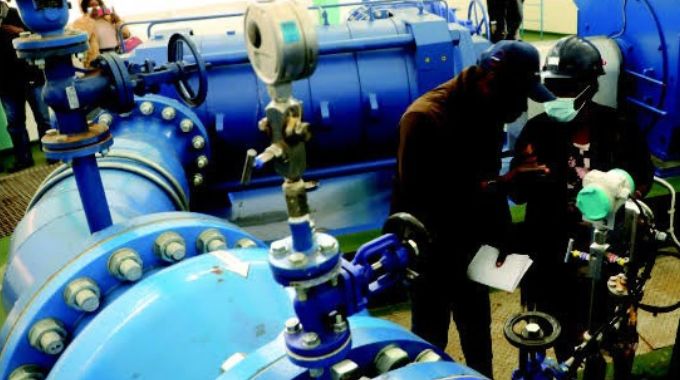
At the site, heavy-duty pipes are being installed section by section as workers move through different parts of the development. According to the council, the work is being carried out in partnership with the Zimbabwe National Water Authority (ZINWA) to ensure the water system meets national standards.
The collaboration is expected to help guarantee that the infrastructure is not only functional but also reliable for years to come. Council officials say the objective is to build a water network that becomes part of the broader national framework while providing residents with a dependable supply of clean water.
While water infrastructure is receiving significant attention, road construction has not been neglected.
Heavy machinery can already be seen shaping and grading roads throughout the development. The roads are being prepared for the next stages of construction, including gravel surfacing and drainage works.
According to BRDC, carrying out road and water infrastructure works at the same time is a deliberate decision aimed at improving efficiency and reducing costs.
“They are shaping the roads and preparing them for gravel and drainage work. The council is not doing water first and roads later. Both projects are running together. This approach saves time and money, and avoids the need for costly repairs later,” reads part of the statement.
This integrated approach is increasingly viewed as best practice in housing development. In many residential projects, roads are completed before being dug up later to install water pipes, resulting in unnecessary costs and delays. By coordinating the two processes from the beginning, BRDC hopes to avoid such challenges and speed up the delivery of a fully functioning suburb.
For many home seekers, the development represents more than a new residential area. It offers the possibility of settling in a location where basic services are already available, rather than having to wait for years for infrastructure to be installed.
As demand for residential stands continues to grow, particularly in areas strategically located near major towns and transport routes, developments such as Figtree Phase 3 are attracting increasing interest.
Figtree’s location makes it particularly appealing. Situated along a key transport corridor and within reach of both Plumtree and Bulawayo, the area has been experiencing gradual growth as more people look for affordable places to build homes and invest in property.
Beyond water and roads, the council says attention is also being given to other important community needs.
One example is the provision of a designated burial site within the development area. Council officials say the site has already been identified and secured.
“The site has now been fenced off. This brings order and respect to the land. It clearly separates living areas from burial areas. This is a detail that is often missed in new developments, but it matters a lot to families,” said the local authority.
Although such considerations often receive little public attention, they play an important role in long-term settlement planning and community development.
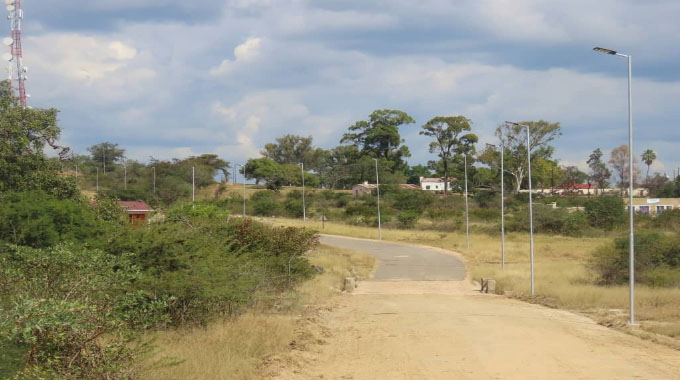
The council has also announced plans to install street lighting throughout the suburb. Once completed, the lighting system is expected to improve security, increase visibility at night and make it easier for residents to move around safely after dark.
For prospective residents, these improvements will contribute to making the area more attractive and liveable from the outset.
The Figtree Phase 3 project also highlights the growing role rural local authorities are playing in addressing housing demand. As populations increase and more people seek residential land outside major urban centres, councils are under pressure to provide properly planned settlements with adequate infrastructure.
Too often, housing developments begin with the allocation of stands before essential services are available. Residents then face years of challenges, including poor roads, lack of water and inadequate public amenities, while authorities struggle to catch up with infrastructure development.
BRDC says it wants to avoid that situation by ensuring services are developed alongside the residential stands.
The council believes this approach will not only improve living conditions for future residents but also create a stronger foundation for sustainable growth in Figtree.
As work continues on the ground, there is growing optimism that the development could become a model for how rural councils deliver housing projects. By investing in water systems, roads, street lighting and proper community planning from the beginning, the local authority is seeking to create a settlement that is ready for occupation rather than one that requires years of additional work.
For families hoping to build homes in Figtree, the progress already visible on site offers an encouraging sign that the vision of serviced residential stands is steadily becoming a reality.