


 Online Reporter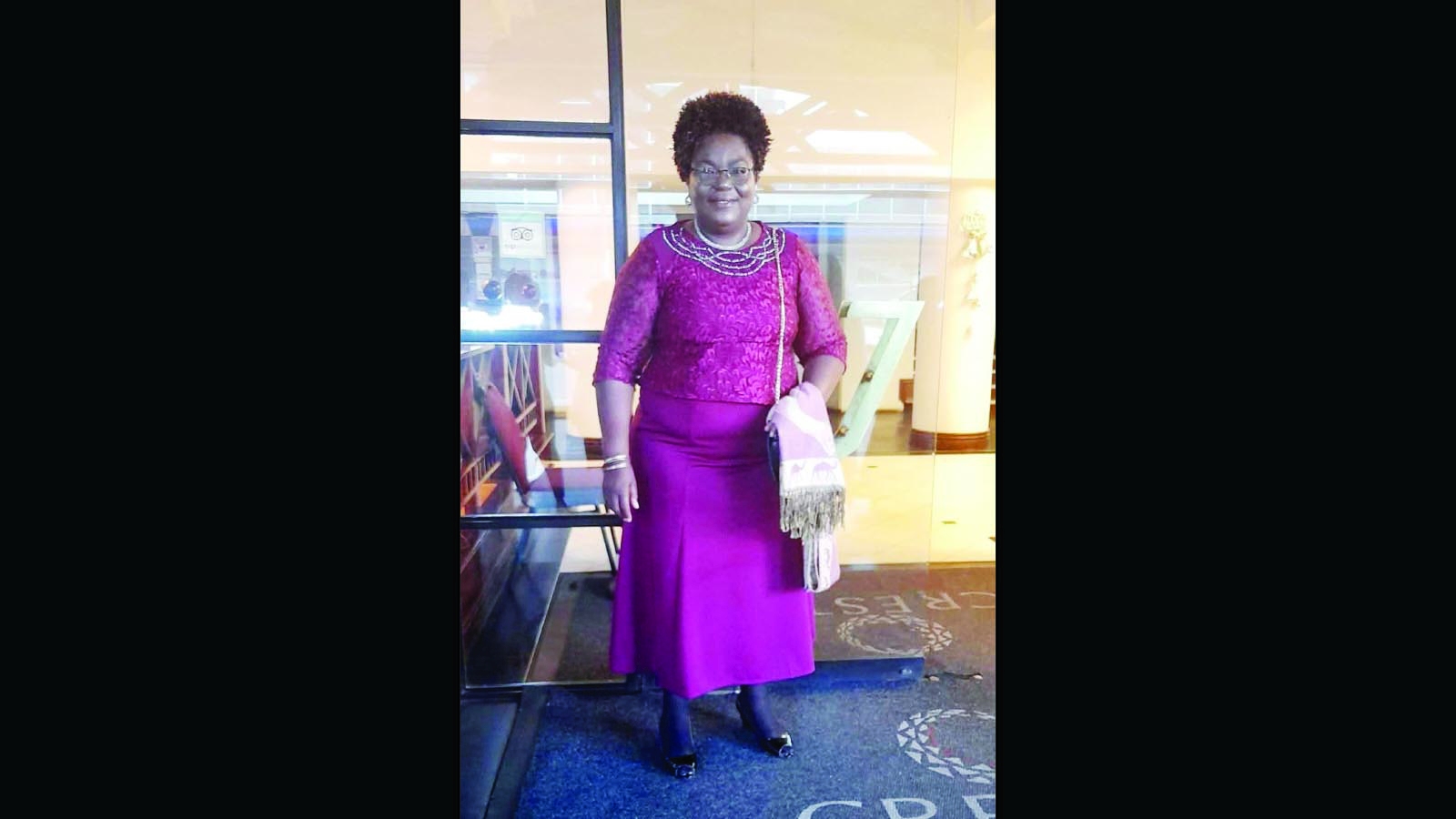
THE theft of US$150,000 from businesswoman Farai Mavhiya’s home in Ruwa is a stark reminder that keeping huge amounts of cash in a house is an unnecessary security risk. Mavhiya returned from a business trip to discover that the money she had kept in a trunk hidden inside a bedroom wardrobe had disappeared.
There were no signs of forced entry into either the bedroom or the trunk, and investigations are focusing on how duplicate keys were used.
The important lesson from this case is not to speculate about who stole the money.
That is a matter for the police investigation. Rather, it is to ask a much broader question: why should anyone keep US$150,000 in cash at home in the first place?
A house, no matter how secure it may appear, is primarily a place for people to live.
It is not a bank vault.
There is a significant difference between keeping a reasonable emergency amount and storing hundreds of thousands of United States dollars in a bedroom.
Mavhiya’s experience demonstrates that even a locked trunk hidden in a wardrobe cannot provide absolute protection.
Locks can be duplicated, keys can be copied and information about money can find its way into the wrong hands.
A thief does not necessarily need to smash a door or break a window.
The absence of forced entry in the Ruwa case is particularly instructive.
It shows that security is not only about strong doors, burglar bars, alarms and walls.
It is also about controlling access, protecting keys and, most importantly, limiting the amount of cash that can be stolen in one incident.
People should, therefore, seriously reconsider the habit of keeping large sums at home or at business premises.
Where possible, money should be held through secure and regulated financial arrangements, while businesses should have proper cash-management systems that reduce the amount of physical currency kept on site.
Those who handle substantial amounts of money should also review their home security.
Trusted access should be limited, keys should be carefully controlled, security systems should be maintained and information about cash holdings should not become common knowledge.
There is also a lesson for families and businesses about financial discipline. Large amounts of cash lying around can create temptation, invite robbery and place household members, employees and security personnel in danger.
The consequences can go far beyond financial loss.
For Mavhiya, the loss of US$150,000 is devastating.
For the wider public, however, the incident should serve as a warning rather than merely another crime story.
As Zimbabweans, we work extremely hard for our money.
After generating wealth, protecting it should be given equal attention.
There is little sense in spending years building a business only to keep its proceeds in a place where one theft can wipe out a substantial fortune.
The police have already urged residents to avoid keeping large sums of money at home and at company premises.
That advice deserves to be taken seriously. A wardrobe may hide money from casual view, and a trunk may appear difficult to open, but neither should be mistaken for a secure financial institution.
The safest cash is generally the cash that does not have to sit in a bedroom waiting for a thief to discover it.



 Mathew Masinge
The most serious danger in keeping hoards of cash in insecure places is putting other people’s lives at risk from robbers. An armed robber, eager to have his or her hands on a stash of cash will not hesitate to shoot his or her way to getting it. That’s one clear danger created by this practice. The other is money laundering. Why should an individual keep so much cash in a house when banks are available? It should be deemed criminal to do such a thing. Police has incessantly advised against this practice yet people don’t listen. Those found stuck in the nets of robberies don’t deserve any sympathy.