Online Reporter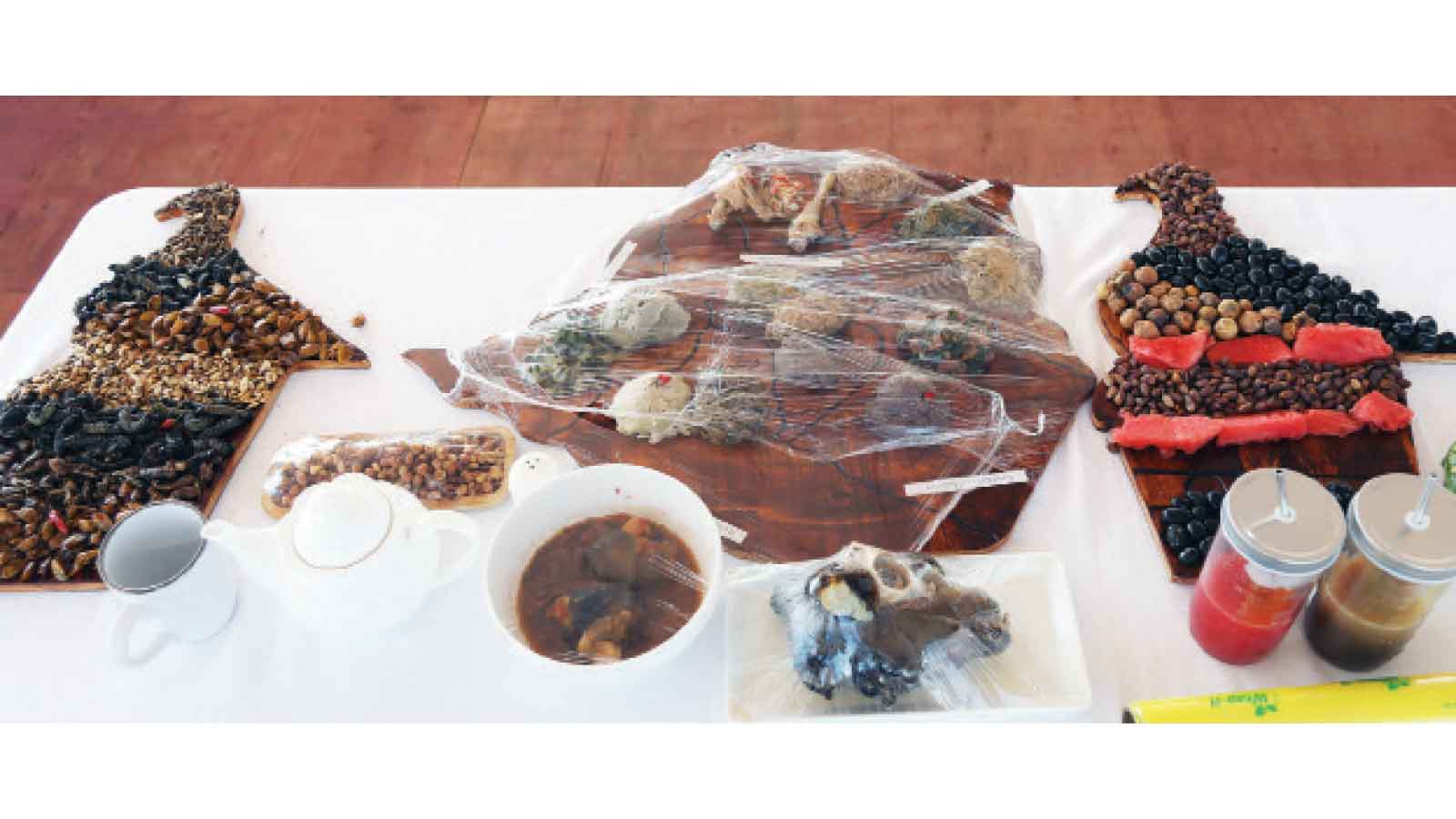
ONE downside of colonialism that has been seldom thought about was the near-total destruction of much of the traditional cultures of food preparation and ingredients and their substitution by imported food species and a far more simplified cooking culture.
Globalisation has enhanced this as can be seen by a glance through the menus offered in many hotels and restaurants that mirror menus in other cultures, and the dramatic reduction in the variety of offerings by almost all convenience food stalls and take-away shops to a small range of dishes largely originating in the southern United States.
There were many reasons for this, ranging from the needs of commercial colonial farming, the impoverishment of so many people so removing the higher value ingredients, the destruction migrant labour and forced removals of population wrecked on the cultural continuity of many communities and, often, the sheer convenience of preparing certain dishes.
This is not to deny that new foods, agricultural research and commercial processing of many more products can enrich and widen diets and cultural dishes.
This happens in many parts of the world when we think of the spread of maize, tomatoes and chillies from Central America, potatoes, sweet potatoes and most beans from South America, and most rice varieties and citrus fruits from Asia.
The tendency towards a dietary sameness and blandness occurs when the new foods almost totally take over from the older foods, substitution rather than widening variety, and cooking techniques and preparation are simplified to a very large extent.
There are many very good reasons why most Zimbabweans should be widening, rather than restricting, their diets and why a resurgence of traditional cookery, ingredients and recipes, plus new stress on innovation using the basic principles is important.
For a start, climate change is making it obvious that the traditional grains need a far higher profile. Sorghums and millets were domesticated in Africa several thousand years ago and over many centuries new varieties emerged that could cope with the climatic vicissitudes of sub-Saharan Africa.
Right up to the 1920s these grains provided the basic carbohydrate staple diet of most Zimbabweans before the dramatic switch-over to white maize.
Maize had been around for a few centuries, in a wide range of colour and variety since drifting up trade routes from trading posts on the coast, but was largely a late summer vegetable before the commercial varieties became dominant.
Continuous research for better yields and the greater ease of processing into sadza completed the revolution.
At the same time, many crops of imported vegetable species were grown, even by small-scale farmers, since these were what the dominant minority wanted to eat just like they had back home and so would pay for.
Nothing wrong again, but there were tendencies of substitution rather than widening the range of available foods.
Most damaging was the development of feelings that the older crops were second rate, and only fit for famine food rather than a normal diet.
A second good reason for resuscitating traditional dishes while there is still time, and adding to these other dishes that derive from the same cultural base, is our need to continue to upgrade tourism.
Many people when they travel like to be able to sample local cuisines, and not just eat a limited range of global dishes.
That in turn, in Zimbabwe, opens a whole new range of value addition, employment possibilities and business opportunities.
While the major impetus for this revival of traditional dishes, and creation of new dishes anchored within the same cultural milieu, came from First Lady Dr Auxillia Mnangagwa, the Ministry of Tourism and Hospitality Industry is now providing the administrative support and backing.
The First Lady’s traditional meal cookout competitions help participants sharpen their culinary skills and enhance their knowledge of indigenous dishes that have medicinal properties and high nutritional values.
The dishes also offer prospects for tourism growth through gastronomy visits anchored on the quest to taste dishes from different places and cultural groups.
Over the last seven years the Traditional Cookout Competition has seen enthusiastic involvement from communities in all provinces, and between them there is now a wide variety of old and new dishes. But not many can cook them.
Still missing is the private sector. What would be immensely useful now would be a proper recipe book, online and accessible by mobile phone, and preferably also in print, to bring these dishes to a far wider range of our people and to ensure that dedicated good cooks in all provinces have access to the knowledge and innovation of other communities.
At the same time, the agro-processing and milling industry should be exploring ways of widening their range of the ingredients, providing both markets for farmers and their undoubted processing and marketing skills.
Sponsoring the dissemination of recipes and sponsoring cookery demonstrations would be an obvious marketing start.
We would assume that farmers and their downstream industrial processors would like to make more money, and increasing the variety of what they grow and what the process and market seems on natural path.
We cannot return to the past, but we can bring into the 21st Century much of value in our cultures, including diet and even more important the willingness to build on that cultural inheritance, with pride.