Online Reporter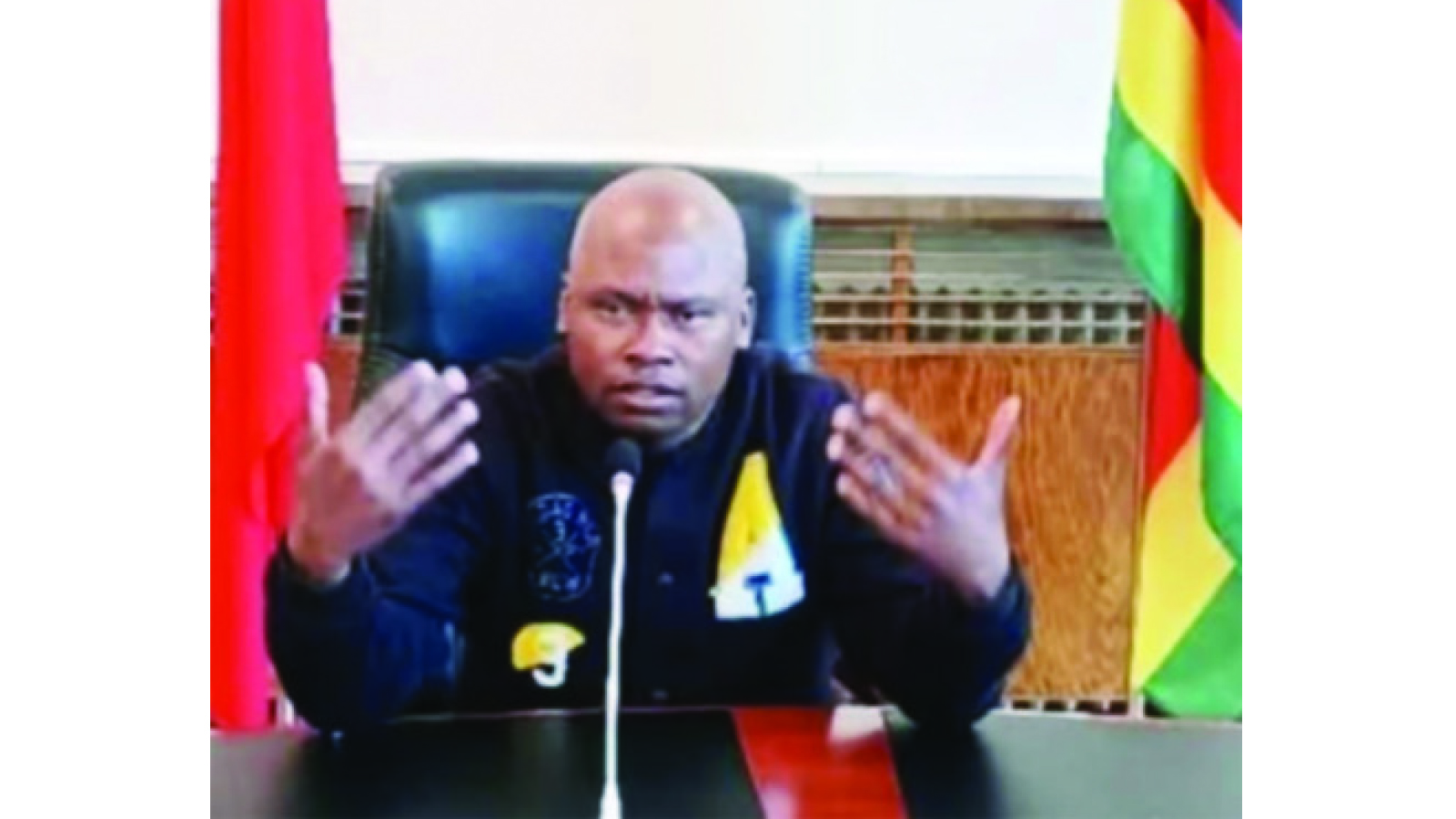
ZANU PF has consistently strengthened its global diaspora networks. With the ruling party’s Annual National People’s Conference just a few weeks away, Zimpapers Politics, Foreign Affairs and Opinions Editor, Kuda Bwititi (KB), who is currently in Beijing, sat down with the Chairperson of the ZANU PF Far East Asia district, Cde Lawrence Kurundai, to discuss the role of the party’s overseas structures.
***
KB: Kindly give a brief background of yourself.
LK: I was born in Bikita district under Chief Mazungunye. I served in the Zimbabwe National Army for some years, including fighting in the DRC war, before retiring in 2004. In 2009, I relocated to China and I have been living and working here since then.
KB: What was the catalyst for establishing formal ZANU PF structures in China?
LK:I come from a family that has strong bonds with ZANU PF. Through my passion for my party, I felt it was important to have ZANU PF structures here because there is a sizeable number of Zimbabweans living in China. In addition to China, the FEA district includes Hong Kong, Japan, Thailand and South Korea. I was one of the founder members of the ZANU PF, FEA district. The initial process was not a stroll in the park. Before Operation Restore Legacy in November 2017, I reached out several times to the ZANU PF leadership to sell the idea. But I did not get many positive responses. Alongside my colleagues, we persevered, and after the coming in of the Second Dispensation, our breakthrough came in 2018, when the party’s First Secretary, President Mnangagwa visited China in early 2018. He directed that we should be given all the necessary support to work for the party in the diaspora.
KB: How does the FEA district ensure its activities are aligned with the ZANU PF Constitution and directives from the party headquarters?
LK: Soon after the endorsement we got from the President in 2018, we held meetings with the National Chairman and the Commissariat to get acquainted with the party Constitution. We also received orientation from the Chitepo School of Ideology. So yes indeed, we align our activities with ZANU PF’s Constitution. We have firm party structures as our district comprises all the key posts such as the commissar, the women’s League, the youth league and so on. Every head of the department has the role to ensure discipline is maintained. The reporting structure in the party is solid and we are always guided by the party headquarters, where there is the diaspora desk that we report to.
KB: How do you carry out mobilisation activities for the party?
LK: We have an annual calendar of events. We also conduct outreach programmes through visits to other cities. On some of these occasions, we invite prominent figures from Zimbabwe to speak and lure more people to the ruling party.
During and after the Covid-19 pandemic, we lost many of our members who relocated back home or to other countries. That did not deter us. We sat down and decided that one major way to mobilise members was in universities, where there is a high number of Zimbabweans. The student community has become a key part of our membership.
KB: What is the current state of your membership, in terms of numbers?
LK: Our numbers fluctuate, as annually we have people returning home after having served here. But at any given time, we are talking of hundreds of registered and paid-up members.
KB: How does the district engage with the broader Zimbabwean community in China who may not be party members?
LK: We have adopted what we call an Octopus strategy, engaging Zimbabweans living in China and throughout the district through social media. We have WhatsApp, WeChat and social media groups that are active and lively. This is a platform where they raise several issues, including challenges that they might be facing. We also share job opportunities. It is also a place to debate various issues, including what is happening back home.
KB: What are the most significant operational challenges you face being a party district outside Zimbabwe, and conversely, what unique opportunities does your location present?
LK: Distance is an issue, as China is a big country. Many people reside in different cities, so it is not always easy to meet physically and this affects mobilising members physically across such a vast country and other territories. However, social media has helped. Another challenge is that it is not easy for Zimbabweans living and working here to get long-term visas. So, our members come and go frequently, and that affects our numbers.
KB: The ZANU PF National People’s Conference is fast approaching. How will the FEA participate and contribute?
LK: We are facilitating the travel of some of our delegates. This will ensure the concerns and perspectives of the diaspora are represented. In addition to my FEA district, I have also been asked by the party headquarters to work with other districts in preparation for our Annual National People’s Conference in Mutare. I will be working with the ZANU PF districts in the United Kingdom, Botswana, South Africa, Democratic Republic of Congo, North America, Poland, Cyprus, Ireland and Namibia in preparation for the Conference.
KB: Looking beyond the conference, what are the primary goals for the ZANU PF China District over the next few years?
LK: We plan to grow our influence and our effectiveness. Also, we want to have a formal working relationship with the Communist Party of China. Whilst our main office at the party HQ enjoys excellent relations with the CPC, we feel that, as a district that operates in this country, we need to have a working relationship that further consolidates our existing ties. We hope to work on the mechanics of that with the party headquarters.
We also want to fulfil our mission statement, which is to buttress the revolutionary policies of ZANU PF through the adoption of favourable policies from the Asian region to lead our people to prosperity.