Online Reporter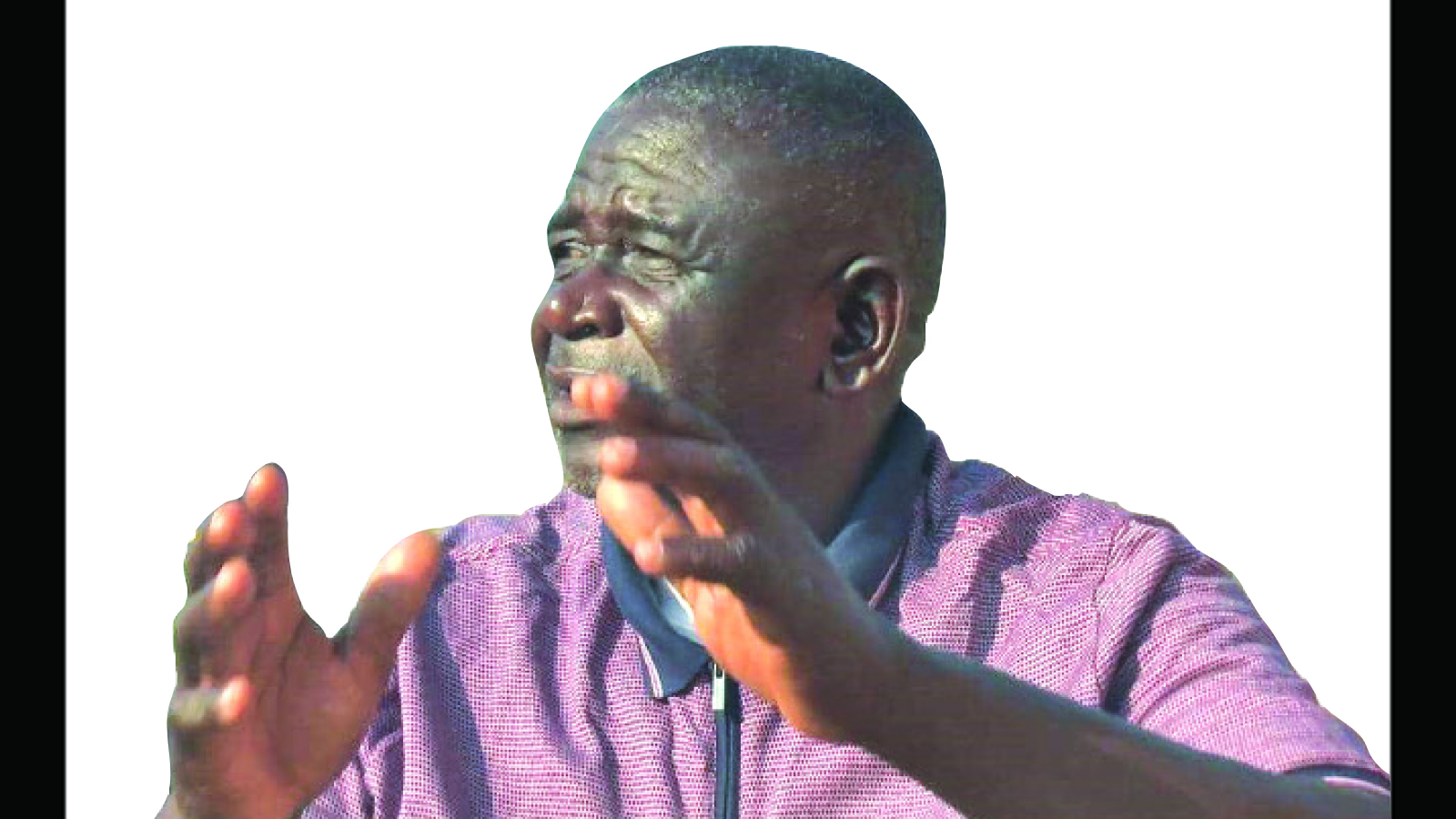
Chronicles of the 2nd Chimurenga
Liberation struggle veteran CDE DAVISON JOHN TAKAWIRA MUPFUNYA, who assumed the Chimurenga name Red Number Mapondera Dzinopfuta during the war, this week chronicles how his group was forced to delay its plans to travel to East Africa after their food was poisoned by Selous Scouts. He also tells our Society Editor PRINCE MUSHAWEVATO how the Rhodesian Security Forces, working alongside South Africans, tried to ambush them.
*************
Q: We ended our discussion last week when you had volunteered to travel to East Africa from Tembwe for military training. Can you carry on from there?
A: We stayed in Tembwe for a while. I later volunteered to be part of the first group to leave for East Africa. We travelled via Beira. However, upon reaching Beira, we encountered a serious situation. Our food had been poisoned by the Selous Scouts. Many comrades fell ill, complaining of severe abdominal pains and developing severe diarrhoea. It was not a pleasant sight. Fortunately, there were no immediate casualties that I saw, but since our group was large, I cannot be certain if anyone later died while admitted.
This tragic development derailed our travel plans. Because of the delay, we had to abandon the initial plan to travel by ship. We had received intelligence that apartheid South Africans, working with the Rhodesians, had set an ambush for us at sea. Eventually, we travelled by air using planes that had come from Nigeria. We were dropped off at Mtwara before being transferred to Nachingwea, where we underwent training.
Q: What did the training programme entail?
A: The initial part of the training covered regular and guerrilla warfare.
After that, you would go for another three months specialising in certain weapons.
Following the initial course, I trained in infantry, specialising in bazookas and mortars, at a different camp. When we completed training and were ready to return home, we faced a similar challenge to the one we had before leaving Mozambique for East Africa.
Again, we received information that the enemy planned to ambush us at sea.
We had to delay our return and ultimately abandoned the sea travel plans.
Instead, it was the Nigerian planes that ferried us back to Mozambique, from where we walked back into Zimbabwe via Manica province. I travelled through a mountain called Kambudzi, and this was a painful journey. We spent hours climbing to reach the top.
It was a huge mountain, and we had to navigate it while carrying heavy weaponry.
Since our group was large, we had to be subdivided into smaller groups of between 200 and 300 fighters as we marched into the country.
This was done to minimise damage should we have encountered mass bombings on our way back.
Q: You can carry on.
A: My first battle upon returning to Zimbabwe was in Honde Valley, Manica province.
I was still a new recruit and unfamiliar with the area. Remember, I came from Murewa.
We were exhausted after crossing from Mozambique.
The plan was to rest after crossing Odzi River before sunset.
This was crucial because the villagers on the other side had been placed in protected areas — the structures commonly referred to as “keeps”.
This meant there was no one who could assist us with food in that zone.
However, due to sheer fatigue, we could not continue the journey, so we had to find a convenient spot to rest. At sunrise, there was a heavy mist until around 9am.
We relaxed and delayed retrieving some of our weapons, which we had concealed underground.
Our groups were already split, as we had left some colleagues at an area called Nyabadza, where villagers were cooking for the comrades.
Meanwhile, we did not know we were being tracked.
The enemy was aware of a reinforcement group entering the country and was closely monitoring the entry points.
While we were still at the base — some sleeping in the valley, others resting with their guns hanging in the trees — we heard a gunshot around 10am.
A comrade next to me fell to the ground.
I initially assumed he had just panicked and taken cover.
As I was trying to understand what was happening, another comrade fell following a second gunshot.
Q: What came into your mind all this while, considering this was your first combat encounter?
A: I knew immediately that we were in trouble.
The initial plan was to take cover and identify where the enemy was firing from.
I crawled out, reached the two comrades who had been shot and realised they were already dead. I took their guns and ran towards a nearby mountain, which is where my other colleagues were also heading.
But before I had covered a considerable distance, I noticed Rhodesian soldiers elevating their LMG (light machine gun), aiming at us from that very mountain.
I shouted to my fellow comrades to return and they complied.
The enemy opened more fire.
We had no chance to retaliate because of the terrain; they were on higher ground than us.
The only solution was to find a way to escape from what had clearly become a killing bag.
Q: What happened next?
A: We managed to manoeuvre out, but we lost a number of comrades during the attack.
I am not sure how many, but we had a significant number of casualties.
I escaped with about 20 fighters.
From that group, I had better war experience since I had previously moved around with trained fighters before I crossed into Mozambique for formal training.
We walked from the Watsomba area in the afternoon until we crossed the road that goes to Nyanga, which was then known as Juliasdale.
We passed through Grand Reef but were unaware that this was the base where all the planes that had troubled us were operating from. We were wearing our East African gear, which included khakis.
When we finally reached Odzi River, the povo (local people) on the farms told us that they had seen some of our colleagues who had left moments before we arrived.
However, they gave us a disturbing report that they had been selling guns to them.
We probed them further to understand the situation.
Next week, Cde Mupfunya will recount how they walked into another ambush after narrowly escaping a potential massacre. He will also share insights into other battles he participated in.