


 Andrew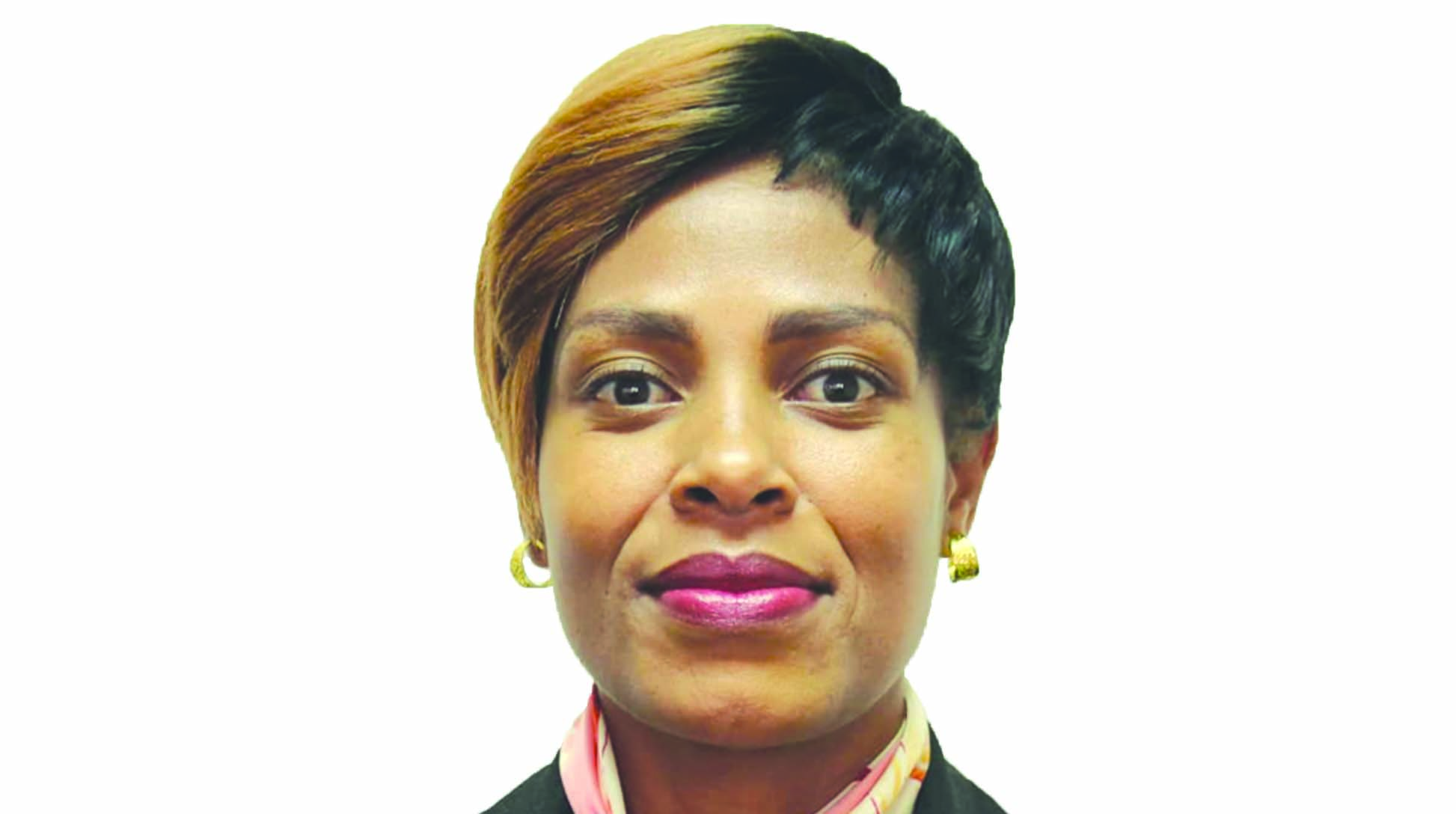
CRIME has in 2022 reared its ugly head, with armed robbery, corruption, sexual offences and traffic anarchy emerging as some of the worrying menaces. Our reporter HARMONY AGERE (HA) caught up with National Prosecuting Authority (NPA) spokesperson MS Angeline Munyeriwa (AM) to discuss how her office is playing its part to restore law and order in the country.
**********
HA: As the year draws to an end, can you highlight some of the major achievements you have made this year?
AM: We have significantly reduced the large pre-pandemic backlog of criminal cases that ballooned due to the coronavirus lockdowns and restrictions.
We prioritised gender-based violence (GBV) cases, as well as sexual offences, because victims of such crimes are usually vulnerable and need to be protected.
They also need closure for the healing process to begin. Seven out of 10 provinces have cleared their backlogs. The remaining three have made significant progress.
NPA trained more prosecutors in 2022 than in any other year. Prosecutors need continuous legal education for them to keep up with the changing legal landscape. New crimes are emerging post-Covid-19.
The list of cyber-crimes continues to grow daily. Prosecutors were trained in India on cyber-crimes and international terrorism, among other areas of the law.
Several prosecutors also went on exchange programmes and attended numerous workshops on the African continent, as well as abroad, on various crimes such as sexual offences, GBV, asset forfeiture and wildlife crime.
The training enhanced knowledge, capabilities and skill set of the prosecutors, thereby improving all aspects of the criminal proceedings, from prosecutor-guided investigations through to prosecution.
The NPA recruited 36 administration staff and 46 more prosecutors to address the exodus of prosecutors, who are leaving the NPA in search of greener pastures.
HA: Statics show that armed robbery cases have been on the increase in recent years. What are some of the practical steps that your organisation has taken to curb this phenomenon?
AM: The prevalence of robbery cases is a cause for concern.
The NPA is vigorously opposing bail in all robbery cases, and where investigations are complete, NPA is expediting the trials.
Every robbery conviction attracts a prison term and where a weapon has been used to inflict harm or threaten victims, the NPA advocates a very stiff penalty to deter would-be offenders.
Currently, the sentencing trend is ranging from six years to above 60 years. Some 930 people were convicted and sentenced to imprisonment for robbery across the country for the period January 1, 2022 to October 30, 2022.
HA: Reckless driving, particularly in urban and central business districts, is becoming a regular occurrence. Do you have a specialised response to this menace?
AM: Traffic cases are not complicated, therefore, the NPA is working well with the police and the courts to ensure all traffic violations that are brought to court are quickly dispensed with.
The NPA has specialised senior prosecutors across the country who handle traffic cases.
We also have specialised courts in the bigger provinces.
Currently, we are advocating suspension and cancellation of licences where traffic violations are committed in aggravating circumstances.
Recently, at the Mbare Magistrates’ Courts, for example, someone who was convicted of reckless driving after driving an empty bus on the wrong side of the road was sentenced to 10 months in jail and was prohibited from driving heavy vehicles and public service vehicles for life.
He was also slapped with a further 12-month ban on driving all classes of motor vehicles. Mishikashika drivers are a menace throughout the country. In addition, we have discourteous drivers who seem to be in a hurry and are very inconsiderate of other road users, be they pedestrians or other motorists. The NPA is advocating a road culture change.
We are also looking into the forfeiture of mishikashika vehicles.
The law allows us to forfeit vehicles that are used as instruments of crime. Most mishikashika vehicles are not roadworthy; not licensed to operate as public service vehicles; always overloaded; and driven by unlicensed drivers, who further break the law by driving recklessly and endangering the public.
HA: The NPA has been accused of failing to prosecute enough corruption cases. What is your response?
AM: It is not correct to say that the NPA is failing to prosecute enough corruption cases. We confine ourselves to the sufficiency of evidence as presented in the docket.
We can do no more or no less. Cases are decided on the quality of evidence and credibility of witnesses.
As far as we are concerned, we are putting our best foot forward. The NPA is making good progress with regards to the prosecution of corruption cases.
We are pleased to report that in the last 100 days, we had 94 cases pending before the courts. Twenty-six are currently at State case stage, eight at the defence case stage, five at judgement stage and 25 were completed.
This means we now have 69 active cases in the courts. These cases are mainly bribery, fraud and criminal abuse of duty.
The NPA is also pleased to report that the rate of disposal and convictions continues to rise, and it is our hope that this trend will be maintained.
HA: How are you cooperating with the Zimbabwe Anti-Corruption Commission (ZACC) to ensure that you raise the conviction rate of corruption cases?
AM: The NPA and ZACC are the only two Chapter 13 institutions mandated to fight corruption in the Constitution.
It is, therefore in the public interest and in the interest of justice that NPA and ZACC work together and serve the public to the best of their abilities.
In light of the foregoing, we are working well with the investigating authorities, including ZACC.
Almost 70 percent of the corruption cases that we are prosecuting before the courts are from ZACC.
We are pleased to report that eight out of our 10 provinces now have less than 10 corruption cases each pending before the courts, with the ninth province having less than 20 and the 10th province having about 100 corruption cases that are either being perused for sufficiency of evidence and further guidance to the investigators or at various stages of prosecution.
We have continuous dialogue with ZACC and we are making significant progress through collaboration, information sharing and exchange of experiences.
In terms of Section 194 of the Constitution, all Government agencies are obliged to co-operate, and we are complying with that position.
HA: What efforts are being made by NPA to ensure that cases are completed within a reasonable or best possible time?
AM: With regards to corruption cases, prosecutors are doing their best to guide investigators on getting the best evidence to ensure the investigations are finalised quickly, and cases are set down for trial with minimum delays.
It is imperative that persons facing corruption allegations are brought for trial expeditiously and are efficiently prosecuted without delay.
The National Anti-Corruption Steering Committee has recommended that non-complex corruption cases be completed within six months and complex matters within 12 months.
This means all investigating authorities and the NPA must ensure they adhere to these guidelines and prioritise prosecution of corruption cases in the recommended time frames to effectively defeat the scourge of corruption and contribute effectively to the national agenda and realisation of the National Development Strategy 1.
HA: Some armed robbery suspects have gone on to commit similar offences soon after being released on bail. What role can NPA play to minimise these cases?
AM: It is unfortunate that accused persons who are granted bail go on to commit similar offences. However, it must be understood that bail is a constitutionally protected right and it remains the preserve of the court to grant or deny bail.
As the NPA, our position is that we will vigorously oppose bail in all robbery cases, and we are pleased that in almost all the bail cases we have recently handled, we have been successful in arguing against the admission of accused persons to bail. We are happy with the results.
We are also expediting all robbery cases before the courts so that where there is sufficient evidence, justice is dispensed and instead of accused persons being granted bail, they should serve their sentences.
HA: In terms of asset recovery, how much assets have been forfeited to the State in terms of monetary value?
AM: This year alone, we have so far obtained forfeiture orders worth US$5,6 million and currently, there are pending matters before the courts involving properties worth US$20 million.
The total value of assets forfeited through the court is US$5,6 million.
Seizure orders pending further investigations are six, valued at US$20 million.
Interdict orders pending further investigations are three, with a value of US$3,7 million.
We have four matters pending, valued at US$20 million, with court applications for forfeiture orders pending.
There are five unexplained wealth and freezing orders currently before the court pending further investigations.
Twitter: @harmonyagere



 Bongani Ndlovu
 Online Reporter