admin
admin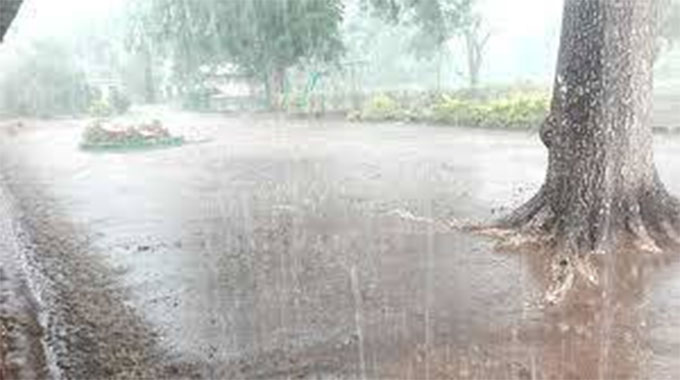

Gerald Maguranyanga Traffic Friday
In excellent weather, taking time out in a fit-for-the-road motor vehicle can be a fantastic blast. Enthusiasts frequently take a break to drive, in all sorts of machines; from super-sleek performance vehicles to basic A-to-B jalopies, purely for pleasure. In the process, they take in some much-needed fresh outdoor air, and rejuvenate from life’s testing rigours.
Unhindered by some of our routine daily challenges, life can surely be delightful!
Driving around can be up there with other safe, recreational fun there is to tickle us.
Of all the places in the world, if my statement about driving for fun, in perfect weather was to be true, then it surely follows that, on the back of irrefutable scientific evidence that our Zimbabwe has the best climate and the most tolerable weather, more than any other place on Earth, therefore, Zimbabwe rewards the recreational driver, on the house, with the most enjoyable driving!
Let’s momentarily make believe that we didn’t have a pothole problem and that we had no commuter omnibus killjoys around!
Whenever yours truly seeks restorative time out, I ensure that I am fresh (from a long night’s sleep) and well fed, before rolling out for the inviting open road. In my book, for the most part, driving around is indeed joyous, refreshing and a top-of-the-list escape from the daily grind.
In fact, occasionally I like to pack the family into our humble car (always with seat belt fastened and the baby safely ensconced in his baby car seat) and drive around for the day, visiting places of interest (and people), near and far.
Typically, it is an early morning trip out, with an early evening rebound. But this life’s good, romantic picture can, with little warning, swiftly deteriorate; just throw in a little rain and the ball game changes. It rears an ugly head. Fast!
Traffic Friday firmly argues that driving in wet weather in the wicked road jungles of Zimbabwe is an art of sorts.
In such conditions, the driving demands mastering; a lot of discipline, patience and skill; otherwise catastrophe will be a small misjudgment away. That skill is earned; acquired over several years.
The wet season presents us with, and puts to the test, any confident and experienced driver’s talent. Driving on a drenched tarmac can be quite scary, and may actually become a menacing threat to life and limb whenever poorly handled.
Probably more than anything, the tread condition of your tyres becomes a matter of life and death. It could easily lead to devastation if disregarded.
Actually it is a phenomenon that the very few square centimetres of contact between the tyre and the vehicle is just all that keeps that mass of metal coupled to the road.
The tyre-and-surface connection is occasionally tested.
The biggest check is always in the wet season when things can go wrong; fast; from happy-happy, to catastrophe, in the wink of an eye.
In the wet season, in my opinion, fully functional windscreen wipers also play the second most fundamental role in wet-weather driving.
In fact, a fresh pair of wipers is a good idea at the onset of each wet season. Misting on the inside of your windscreen is also a potential danger, especially should you continue driving and you’re fighting to clear the misting.
We may all have, at some point, tried to assist the underpowered/non-working demister by dexterously wiping away the onscreen condensation with a cloth/tissue/palm whilst driving at the same time.
Fellow Zimbabweans, that nonchalant action is potentially hazardous. In the wet season, all it takes to utterly lose control of your vehicle is a momentary inattention!
Wikipedia, on wet weather driving, advises:
1. Keep both hands on the steering wheel! No mobile phone use; no radio even! Use all your mirrors to get an overview of what is happening all around;
2. Gentle use of the main controls – the steering, clutch, brake and the accelerator vital to staying in control;
3. Turn on your headlights in any rain, it makes it easier for you to be seen; thus, preventing any possible accidents. The one-headlight brigade though, makes it very difficult for opposing vehicles to judge where they really are!
4. Easy does it, on the beautiful curves;
5. Slow down. Driving at a slower pace allows more of the tyre’s tread to make contact with the road, which leads to better traction. Speed limits exist to tell you how safe it is to drive under good conditions. When roads are wet, speed limits are meaningless. Drive below them.
6. The maximum speed at which you can drive is directly related to the type and condition of your tyres;
7. Be aware of hydroplaning. Now this is no laughing matter. This is when your vehicle travels on top of the water and has none or little contact with the ground. Your traction is reduced significantly. Learn the details from driving experts how to safely get out of a hydroplaning!
8. A skid though can happen even to the most cautious driver. If your car skids, do not slam on the brakes. Instead, apply steady pressure to the brakes and steer the car in the direction of the skid.
9. Avoid flooded roads (In Zimbabwe, many of our roads flood in the rain, so keep a keen lookout);
10. Whenever possible, slow down by taking your foot off the accelerator. It takes about three times longer to brake on wet roads than on dry roads. Therefore never tailgate. If you need to brake, do so gently with light pumping actions. If your car has ABS, then brake normally. Traffic Friday strongly recommends that every driver learned how the amazing ABS brake aid works.
11. Apply brakes lightly to dry brake pads if driving in heavy rain;
12. Keep your windscreen clean so that visibility is always as clear as conditions may allow;
13. In blinding rain, you may be tempted to turn on your emergency flashers (hazards). Their actual purpose is to alert other drivers you are stopped. Carelessness with the hazards can cause confusion;
14. Worn tyres greatly inhibit handling; accelerating, braking, and turning; in all conditions;
15. Never use cruise control in the rain! Your car’s computer might get confused and add extra power when you have poor traction on the wet tarmac, leading to a rapid loss of control;
16. A defensive driver adjusts his speed to the wet road conditions in time to avoid having to use any of these tricky measures.
Traffic Friday’s preferred advice about driving in the rain is; just don’t do it! If caught out, find a safe place to completely pull off the road. If you really had to continue driving in the rain, apply lots of common sense.
The absolute fundamental is to take it easy!
The Traffic Safety Council of Zimbabwe’s Highway Code chillingly reminds: “In responsible hands, the motor vehicle has contributed much to a better way of living; in reckless hands, much to a violent way of dying.”
Gerald Maguranyanga moderates Road Safety Africa, on www.facebook.com/RoadSafetyAfrica <http://www.facebook.com/RoadSafetyAfrica>, a community page that solicits ideas to curb road traffic accidents in Zimbabwe and Africa. Contacts: WhatsApp only – +263 772 205 300; email: [email protected]



 Online Reporter