Chronicle Editor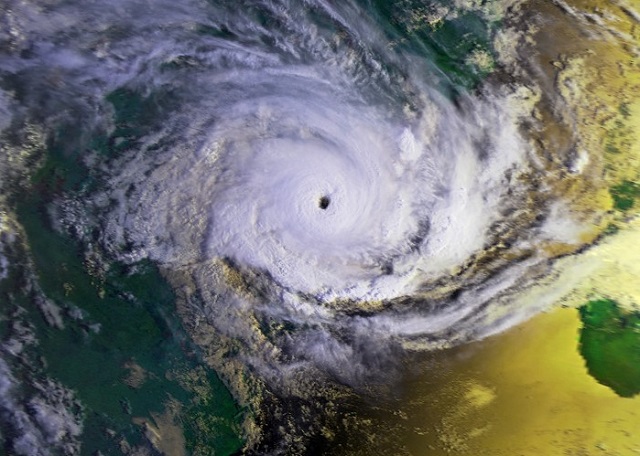
RAYMOND JARAVAZA [email protected]
IN light of the imminent arrival of Cyclone Chido in the country on Thursday, the Meteorological Services Department (MSD) has released an explainer on what is a cyclone and its effects in areas where it hits.
Cyclone Chido, which made landfall in the Mozambican channel on Sunday, is expected to affect Bulawayo, Matabeleland South, Midlands, Masvingo, Mashonaland East and Manicaland provinces.
The storm was named by a Zimbabwean.
According to MSD, the word cyclone likely comes from the Greek words kúklos (“circle, wheel”) or kuklóō (“go around in a circle, form a circle, encircle”).
The term ‘cyclone’ was adopted around 1840. Tropical cyclones are also known as typhoons or hurricanes, depending on where they originate.
The Bad: Tropical cyclones are intense circular storms with heavy rains and sustained cyclonic (circulating) wind speeds over 119 kilometres per hour. They can cause significant damage to property and infrastructure, and multiple casualties and deaths on land and sea.
The Good: Once they get out of the oceans, they lose strength rapidly [land is like their kryptonite], but as they lose cyclonic (circulating wind strength) they lose water as well. This becomes torrents in areas close to where they enter, and less as they go inland.
The World Meteorological Systems explains how cyclones are named.
The process of determining names for tropical cyclones is conducted by the relevant tropical cyclone regional body at its annual/biennial session. There are five tropical cyclone regional bodies, i.e. ESCAP/WMO Typhoon Committee, WMO/ESCAP Panel on Tropical Cyclones, RA I Tropical Cyclone Committee, RA IV Hurricane Committee, and RA V Tropical Cyclone Committee. These bodies establish pre-designated lists of names which are proposed by WMO Members’ National Meteorological and Hydrological Services. The selection of names is based on their familiarity with the people in each region, aiming to aid in the understanding and remembrance of cyclones. The naming procedures can vary, with some regions using alphabetical order and others using the alphabetical order of country names. It is important to note that tropical cyclones are not named after individuals.
When selecting a new name, consideration is given to certain factors:
• Short in character length for ease of use in communication
• Easy to pronounce
• Appropriate significance in different languages
• Uniqueness – same names cannot be used in other regions.
ENDS/



 Online Reporter