admin
admin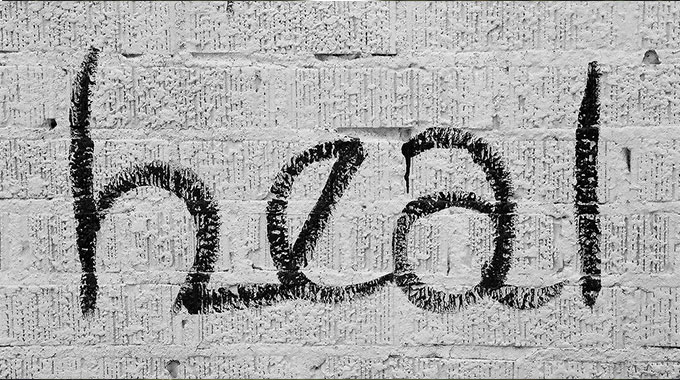
Raisedon Baya
ZIMBABWE has seen its fair share of conflict and violence; particularly political conflict and violence. Some of the conflicts and violence has left many traumatised and tens of thousands of citizens having their lives uprooted and altered permanently. As I write many are walking about with permanent scars, wounds and emotional baggage that dates back as far as the war of liberation.
Decades after independence, our country continues to hang precariously between peace and dark conflict. However, the darkest moments are the days of the struggle against colonial rule in which a lot of blood was lost, then the Gukurahundi era, Murambatsvina, the pre and post-election violence that gripped the country in the last three elections.
The country has been fortunate, in fact very fortunate, that some of the violence and conflict failed to develop into a full-fledged and ugly civil war. Zimbabweans need to be commended for keeping their cool and choosing peace instead of war.
The truth is war is not wanted anywhere. War is ugly and destructive. War consumes a lot of innocent souls. The same can be said about conflict. Conflict grabs at the souls and turns good people into animals. In times of war and conflict it is always the innocent citizenry that suffer the most. When war erupts the first victim is the arts. The arts suffer first because when conflict and violence erupts nobody thinks of leisure and entertainment; nobody wants to go out and visit theatres, clubs and other places of entertainment. No one has time to listen to radio and television.
When people are afraid and feeling unsafe they don’t come out and play, priorities change. The fact that Zimbabwe has managed to stay away from war needs to be celebrated by all who call the country their home. It is a feat we hardly stop to applaud and celebrate. The peace that prevails at the moment needs to be jealously guarded and protected by all and sundry.
In this prevailing peace we must never forget those who were traumatised during moments of conflicts. They walk with their scars — inside and outside scars. They silently cry for attention. My question today is do we have a plan to deal with people, these victims? Do we as a country have a transitional justice plan? Or our simple plan is just to let bygones be bygones? My interest in the plan is to see where to locate the arts in the bigger plan. Locate the arts because I strongly believe the arts have a bigger role to play in the process of national healing and integration. The arts have the power to change, to heal, to help in dealing with sensitive topics that our country has to deal with.
In the past the arts took centre-stage in spreading serious messages in our society. The arts have been used for HIV and Aids messaging. The arts have been used to speak a lot about women’s rights, children’s rights, and other issues relevant to the different communities of this country. Lately, a number of artistes have tried to use their art to advance the issues of healing, forgiveness, peace and re-integration. But there is still need for all this effort to feed to a bigger national agenda and plan.
So the question comes back again. What is Government doing about transitional justice? What has the Organ on Healing and Reconciliation done? Does the organ have a strategy to deal with the issues it is mandated to do? Again I ask. What is the plan?


 Online Reporter