Chronicle Editor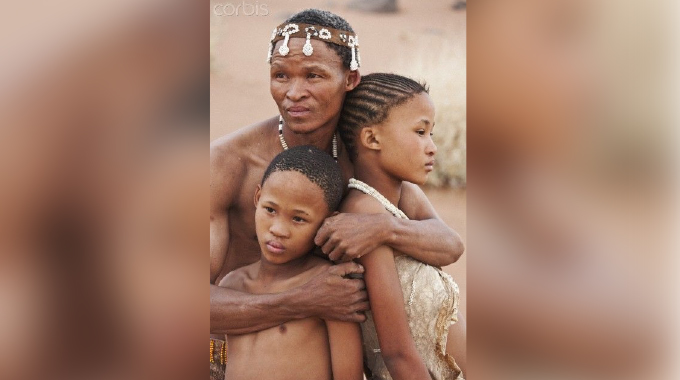
Peter Sivalo Mahlangu was the first author to officially use the term mthwakazi, in his book UMthwakazi published in 1957.The term mthwakazi simply referred to the erstwhile Ndebele state & nation or the inhabitants of the Ndebele state.
The word mthwakazi has always been with us. For example, before independence, there was a government radio station broadcasting in Ndebele from Montrose studios called “Radio Mthwakazi”. The head of the station was Amon Nyamambi.

Some famous names from the station include the likes of Thandiwe Khumalo, Abbey Dube, Harry Nleya, Ona Maphosa, Englam Nyathi, Sam Mkhithika, Maplot Jubane, Cephas Dlamini and Nonceba Mnkandla, amongst others.
As part of “nation building,” Radio Mthwakazi was dismantled after independence with the emergence of the Zimbabwe Broadcasting Corporation and the introduction of the Shona / Ndebele Radio Two. (now Radio Zimbabwe).
Those who studied Ndebele from primary school or even up to varsity are familiar with the term mthwakazi. Some of the books referencing mthwakazi include the one above by P. S Mahlangu and the following by historian Pathisa Nyathi, amongst others.

Some may remember the Radio Two jingle with the words Mthwakazi ondlela zimhlophe…The famous drama series on ZBC, featuring Felix Moyo, was done by Mthwakazi Arts and Writers Association (Mawa).
Some may even remember the difficult Ndebele poetry collection high school set book Giya Mthwakazi.
The term mthwakazi is therefore, not new but has always been a part of our history, language, education and culture.
Some scholars say it refers to umbuthwa – kazi : a great gathering or collection of different people of various cultures and ethnicities by King Mzilikazi to create what became known as the Ndebele nation.
Another school of thought says the term Mthwakazi is derived from the name of the indigenous San people known as AbaThwa by the Nguni.
Thwa! is the sound made when shooting an arrow from the bow.
According to Cont Mhlanga, in oral tradition there is reference to a powerful Queen of abaThwa who controlled the present day areas of Bulawayo and Matopos.
The San queen was called by the Nguni Inkosikazi YabaThwa. She was powerful, deeply spiritual and a great herbalist.
When Mzilikazi established his kingdom, he introduced the name Mthwakazi to refer to the geographic extent of his kingdom.
In Ndebele grammar – kazi also denotes a female. Since in Bantu spirituality, land is female, he called it and its inhabitants UMthwakazi.
Mzilikazi therefore, used the name Mthwakazi to preserve the history and identity of the first indigenous inhabitants of the land, which at the time of his arrival was now occupied by multiple ethnic groups and peoples.



 Online Reporter