Online Reporter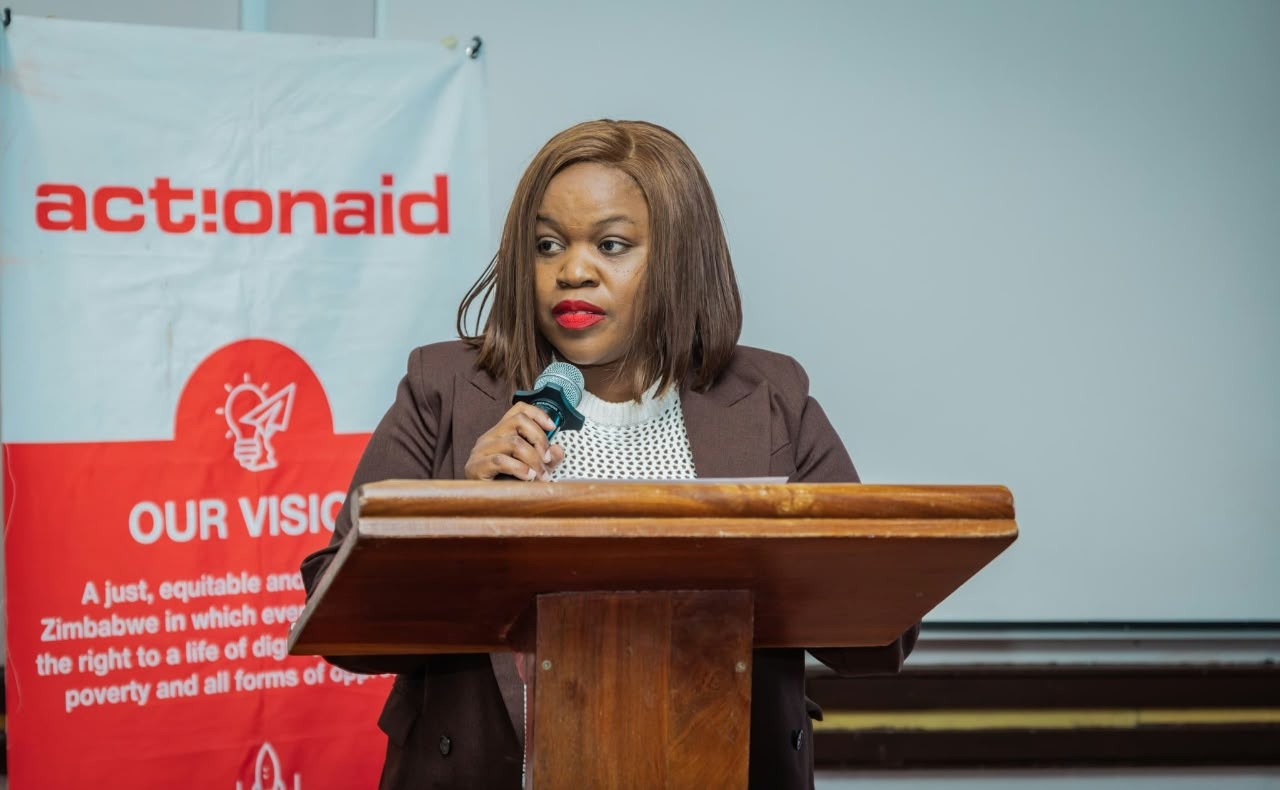
Theseus Mauruki Shambare
ZIMBABWE’S new policy of restricting borrowing to productive, revenue-generating infrastructure has won praise as the country joins the Global Week of Climate Action amid growing calls for climate-vulnerable nations to access financing without deepening their debt burdens.
ActionAid Zimbabwe Country Director Dr Selina Pasirayi welcomed Zimbabwe’s shift towards productive borrowing, saying financing infrastructure that strengthens economic resilience is critical as the country grapples with climate shocks and constrained fiscal space.
Her comments come during the Global Week of Climate Action, running from September 14 to 20, which this year has placed the interconnected debt and climate crises under the spotlight.
“Debt is narrowing the fiscal space Zimbabwe needs to protect its people,” Dr Pasirayi said.
She said resources that could otherwise support irrigation, early warning systems, drought-tolerant seed, resilient water infrastructure and renewable energy were increasingly constrained by the country’s debt obligations.
ActionAid’s latest report, Debt Fuels the Climate Crisis: How the Finance Flows, says the 65 most climate-vulnerable countries spend nearly 25 times more on debt repayments than on climate action, while debt servicing absorbs 65 percent of their combined government revenue.
The report says the Global South is expected to pay about US$8.8 trillion in debt repayments in 2026, compared with US$39 billion in grant-based climate finance received from the Global North in 2024 — a gap of about 225 times.
Dr Pasirayi said greater access to grant-based climate finance was therefore necessary to enable countries such as Zimbabwe to invest in adaptation without further increasing their debt burden.
“Grants could fund climate-smart agriculture, resilient water systems, disaster preparedness and renewable energy without increasing debt,” she said.
Against this backdrop, Zimbabwe has adopted a new borrowing policy under which loans will be channelled towards productive assets capable of generating sufficient cash flows to service the debt.
The policy, announced by Finance, Economic Development and Investment Promotion Minister Professor Mthuli Ncube and Treasury Secretary Mr George Guvamatanga, covers infrastructure such as toll roads, railways, dams, irrigation schemes, border posts and power projects.
Mr Guvamatanga said Government would no longer borrow for budget or balance-of-payments support.
“We are very clear that we are not going to be borrowing for budget support or balance-of-payments support. We are borrowing to support infrastructure for the borders, for the roads, for the rail, for irrigation,” he said.
He said Government had learnt from previous borrowing practices and would now ensure that debt-financed projects had supporting revenue streams.
“We have made our mistakes. But now when we borrow, we ensure there is a supporting cash flow. There is a road with toll fees, there is a dam supporting irrigation, there is a border post with activity and fees — those projects can pay for themselves,” Mr Guvamatanga said.
The approach places infrastructure investment and climate resilience on the same development agenda.
Dams and irrigation schemes can generate economic activity while helping farmers withstand increasingly erratic rainfall, while power infrastructure can support productive sectors and reduce vulnerabilities associated with energy shortages.
Dr Pasirayi said ActionAid also supported Zimbabwe’s efforts to advance Africa’s voice on debt restructuring and debt justice in regional and international forums.
She called for cancellation of unsustainable external debt, automatic suspension of debt repayments following major climate disasters and public audits examining the links between debt and climate spending.
As the Global Week of Climate Action concludes, the financing debate therefore centres on how Zimbabwe can mobilise capital for development while ensuring that infrastructure investment strengthens the country’s ability to withstand droughts, floods and other climate shocks without placing additional pressure on future generations.