Online Reporter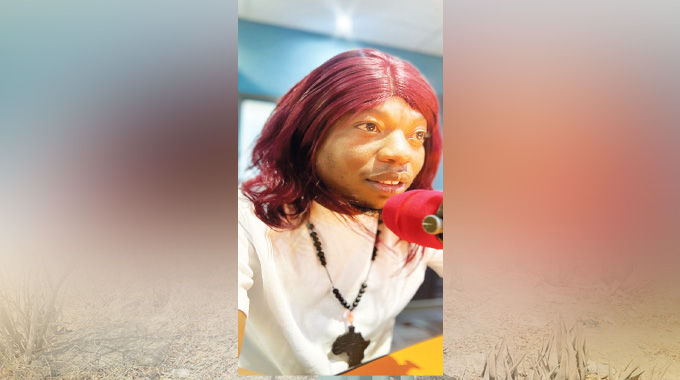
Mthokozisi Ncube
KUDOS to popular social media comedian Sipho Mercent Nyathi who, through his zany and brutally honest comedy, brought humanity back into a story that had threatened to spiral into another viral witch-hunt.
After a naked elderly woman “crash-landed” in a Nkulumane yard at 4AM, terrified residents branded her a witch on a botched midnight flight. Images of the frail, vulnerable woman — later identified as Lucy Ngwenya of Madlelanyoni, Ntabazinduna — were splashed across social media before anyone thought to cover her up.
Sipho, known for his hilarious but sharp takes on social issues, posted a video urging people to show compassion.
“Even if you think she is a witch, please cover her up first. That is someone’s mother, someone’s gogo,” he commented on his viral post.
The video struck a chord. In just a few days, it garnered 2 397 likes on TikTok and 996 likes on Facebook, with hundreds of comments praising Sipho for his sensitivity.
“People laughed while recording her. Imagine if it was your own gogo,” commented one user.
While the early morning drama initially sparked fear and superstition, a heartbreaking truth later emerged — Lucy is not a witch, but a woman living with dementia, a debilitating brain condition that affects memory, reasoning, and behaviour.
According to health experts, dementia is not witchcraft or madness, it is a medical condition that worsens over time. It can affect anyone, though it is more common among the elderly. People with dementia can become disoriented, wander off, and even remove their clothes without understanding what they are doing.
Lucy’s case tragically fits this pattern. Witnesses later revealed she had been seen near Tshabalala robots the day before, appearing suicidal. She was briefly taken to a police station but somehow wandered off again.
In the darkness and confusion, she ended up naked and lost — only to be met with hostility instead of help.
Her ordeal raises tough questions about how society treats its most vulnerable members, especially in a culture steeped in superstition. Instead of empathy, Lucy was mocked, photographed, and paraded online like a spectacle.
Imagine, for a moment, if it was your own mother or grandmother stripped of dignity, her frail body circulated on WhatsApp groups as a “witch.” Would you laugh? Would you record? Or would you rush to cover and comfort her?
Zimbabwe is a country where tales of flying witches and midnight rituals still grip imaginations. But it is also a country battling modern diseases like dementia and Alzheimer’s, which are often misunderstood.
Lucy’s story is a painful reminder that not every bizarre incident has a supernatural explanation. Sometimes, it is simply an illness that needs treatment, not condemnation.
As Sipho said in his now-viral video:
“We need to be better. Cover them, protect them, and remember that one day, it could be us.”