Anashe Mpamombe
When people hear about repatriation exercises, it is easy for the story to become statistics, press briefings, and border logistics.
But behind every number is a person, and behind every bus that crosses into Zimbabwe at Beitbridge is a family waiting, hoping, and often struggling to make sense of sudden change.
The recent return of Zimbabweans from South Africa is one of those moments where policy meets personal life, and where national action becomes deeply human in its impact on both those coming home and those receiving them.
The background to this movement is not new. For years, Zimbabweans have crossed into South Africa in search of work, stability, and opportunity. But over time, there have been repeated outbreaks of xenophobic violence in some parts of South Africa, stretching back to the mid-2000s and resurfacing in waves over the years.
These incidents have at times turned violent, affecting foreign nationals who find themselves caught in tensions around jobs, informal trading spaces, and local frustrations. For many Zimbabweans living there, even when not directly affected, the atmosphere of uncertainty alone becomes heavy to carry.
It is in that climate that the decision to return home becomes less about choice and more about safety. No one leaves a place they have tried to build a life in without reflection.
Many have spent years working, renting rooms, sending money home, and slowly becoming part of communities abroad. But when insecurity rises, when fear becomes part of daily life, the idea of home starts to feel like the safest option, even if home itself comes with its own uncertainties.
For those who are returning, the journey is often emotional before it is physical. There is the shock of leaving suddenly, the anxiety of packing up a life, and the uncertainty of what awaits on the other side. Some return with belongings, others with very little beyond what they can carry.
Some come back with families; others arrive alone, having left loved ones behind. It is not just movement across a border, but a shift in identity, plans, and expectations.
For families in Zimbabwe, the return of relatives brings mixed emotions. There is relief that a son, daughter, spouse, or parent is safe. That relief, however, is often accompanied by concern about what comes next.
Many households depend on income sent from South Africa, meaning that a return can also bring financial strain. A household that was once sustained by remittances must now adjust quickly, sharing limited resources while trying to rebuild stability. The joy of reunion is real, but so is the pressure that follows.
At the same time, communities in Zimbabwe play a quiet but important role in absorbing returnees. Neighbours, extended families, churches, and local groups often become the first safety net. A bed is offered, a meal is shared, and conversations begin about starting over.
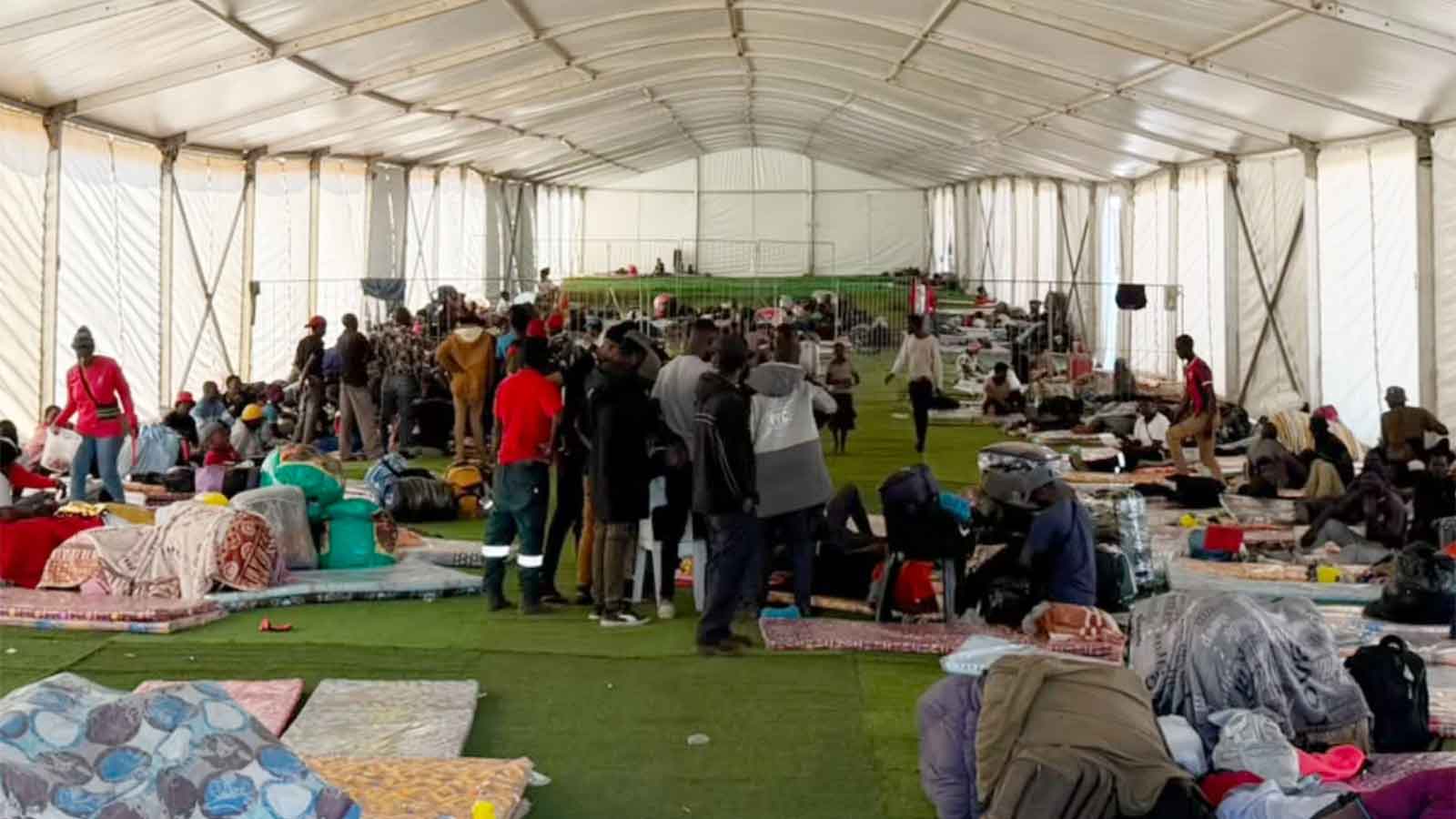
In many ways, this is where the human side of national policy becomes most visible. Government efforts to organise reception at border posts and provide initial assistance help to ensure that people are not abandoned at the point of arrival. Structured support at Beitbridge, including coordinated reception systems and the presence of officials to guide returnees, helps turn what could be chaos into something more orderly and humane.
There is also value in recognising the effort involved in managing such a large-scale return. Coordinating transport, documentation, and reception for thousands of people is not a simple task.
The mobilisation of government departments to ensure safe passage and basic welfare at arrival points reflects an attempt to bring structure to a deeply emotional situation.
While systems are never perfect, the intention to provide organised support at the border and immediate assistance upon arrival matters greatly to people who are often exhausted, disoriented, and unsure of what comes next.
Once returnees are home, however, the real human story begins. Reintegration is not a single moment; it is a process. It is waking up the next morning and realising life has to be rebuilt from a different starting point. For some, skills gained abroad may help them find work or start small businesses.
For others, the challenge is steeper, especially when job opportunities are limited and savings are few. This is where the promise of reintegration support becomes important, not just as a policy statement, but as a lifeline that can determine whether return leads to stability or further struggle.
There is also the emotional layer that often goes unspoken. Returning after experiencing fear or violence abroad can leave psychological scars. People may not always talk about it, but anxiety, stress, and a sense of disruption can linger. A familiar environment does not automatically erase what was experienced elsewhere. In this sense, community acceptance becomes as important as formal assistance. A welcoming neighbour, a supportive relative, or even a simple sense of belonging can make a significant difference in helping someone adjust.
For those who remained behind in South Africa, separated from returning relatives, the experience is equally complex. Families are split across borders, and communication becomes a thread that holds relationships together. There is the constant checking of phones, the concern during travel, and the hope that everyone arrives safely.
Migration, in this sense, is never just an individual decision; it is a shared family experience that stretches across countries.
What stands out in this situation is the human need for safety above all else. Economic opportunity is often the reason people move, but safety is what determines when they return. When conditions become unpredictable, the idea of home shifts from being a place of nostalgia to a place of protection. The return of Zimbabweans from South Africa reflects this reality in a very direct way.
It is also worth noting that large movements of people like this test both systems and solidarity. Government coordination at borders, provision of basic services, and organisation of transport show the structural side of response. But the emotional side is carried by families and communities who absorb the shock and help rebuild lives. Both are necessary. One without the other leaves gaps that affect the most vulnerable.
Ultimately, the story of repatriation is not only about return, but about adjustment. It is about people stepping back into familiar spaces that now feel different because of time away and changed circumstances. It is about children meeting parents again after months or years, about spouses rebuilding households, and about individuals trying to find their place in a shifting economic landscape.
In the end, what matters most is whether those who return are able to regain stability and dignity. Safe arrival is the first step, but belonging again is the deeper journey.
For some, this return will mark a fresh start. For others, it will be a difficult transition filled with uncertainty. But for all, it is a reminder of something simple and universal: that safety, home, and family remain at the centre of human life, no matter where the journey begins or ends.