Online Reporter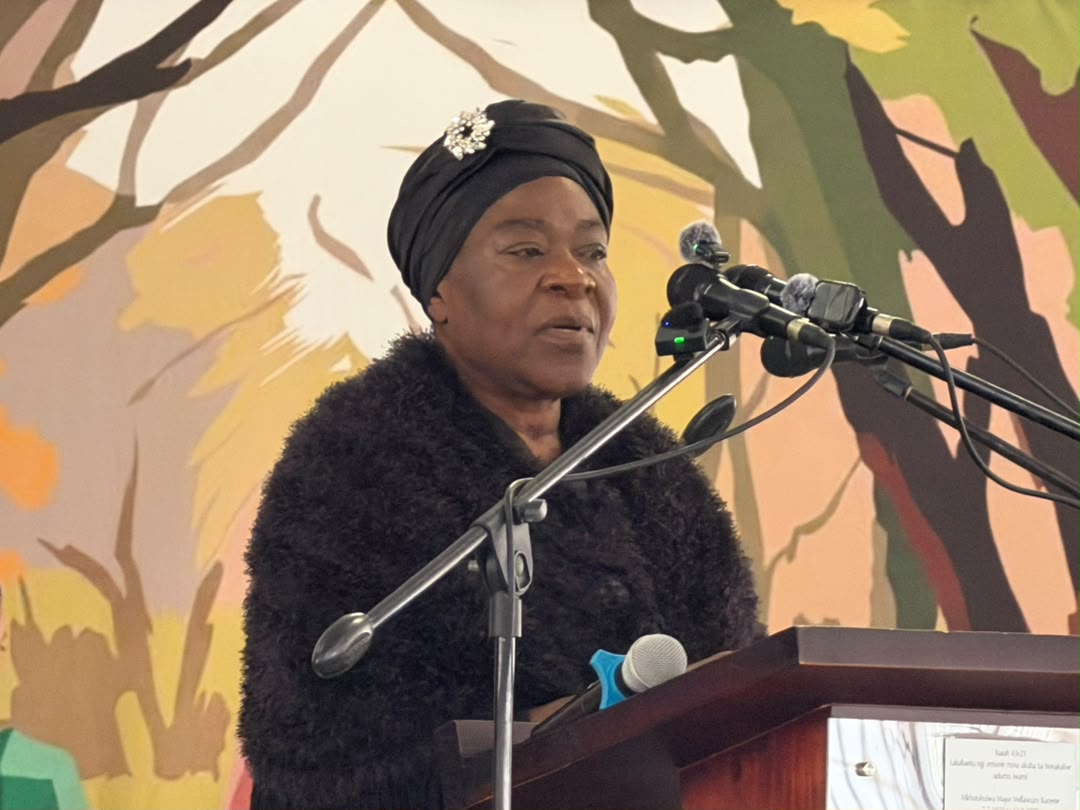
Patrick Chitumba Midlands Bureau
“WHEN love hurts, it won’t work,” sang Blu Cantrell featuring Sean Paul in the hit song “Breathe”.
The lyrics capture the painful cycle of constant fighting, making up, and breaking up in a troubled relationship.
But for too many men, the hurt often turns into rage, and the rage becomes fatal.
However, real strength, according to counsellors, police and community leaders, is not in staying and fighting.
It is in knowing when to walk out of a house, marriage, or a relationship before someone gets hurt.
That lesson has come at a devastating cost.
Nothabo Zandile Tshuma and her two daughters, Natalie (15), and Nala (5), were allegedly killed inside their home in Bedford, England, by Nothabo’s husband and the children’s father, Ndodana Mkhanyisi Tshuma.
He is in custody in South Africa pending extradition proceedings.
The tragedy has ripped through families in Bulawayo and beyond, and reignited a painful national conversation: why do some men choose violence over exit?
Speaking at the funeral service for Nothabo and her daughters at Brethren-in-Christ Church in New Lobengula last week, Bulawayo Minister of State for Provincial Affairs and Devolution Judith Ncube delivered a searing indictment of the state of families.
“Marriage is supposed to be a little heaven on earth but our homes are becoming hell,” Minister Ncube said. She questioned the spike in gender-based violence in Bulawayo and the Matabeleland region as a whole. “Kwenzenjani, silahleke ngaphi? Where are we missing it?” she asked the packed church. The Minister pointed to other recent cases, including the alleged rape and assault of a six-year-old girl and the killing of a woman in Nkulumane suburb, as proof that society can no longer stay silent.
“Homes are expected to be places of love and safety, but in some instances they have become places of suffering,” she said. Minister Ncube called for a community response modelled on the national fight against HIV and Aids. “Can’t we create home care programmes just like we did with HIV? We managed to control the pandemic and we may have to do that with GBV. This is getting out of hand,” she said.
Minister Ncube urged church leaders to mobilise prayer and action, suggesting mass gatherings at White City or Barbourfields Stadium “so that we fast and pray about the killings being done by our children.”
“BakoTshuma, lazala inyama alizalanga umoya, go to the Khumalos and talk,” she added, calling on both families to unite rather than be divided by grief.
“All families have burdens with the bad behaviour of their children, but let us stand together as Bulawayo and Zimbabwe.”
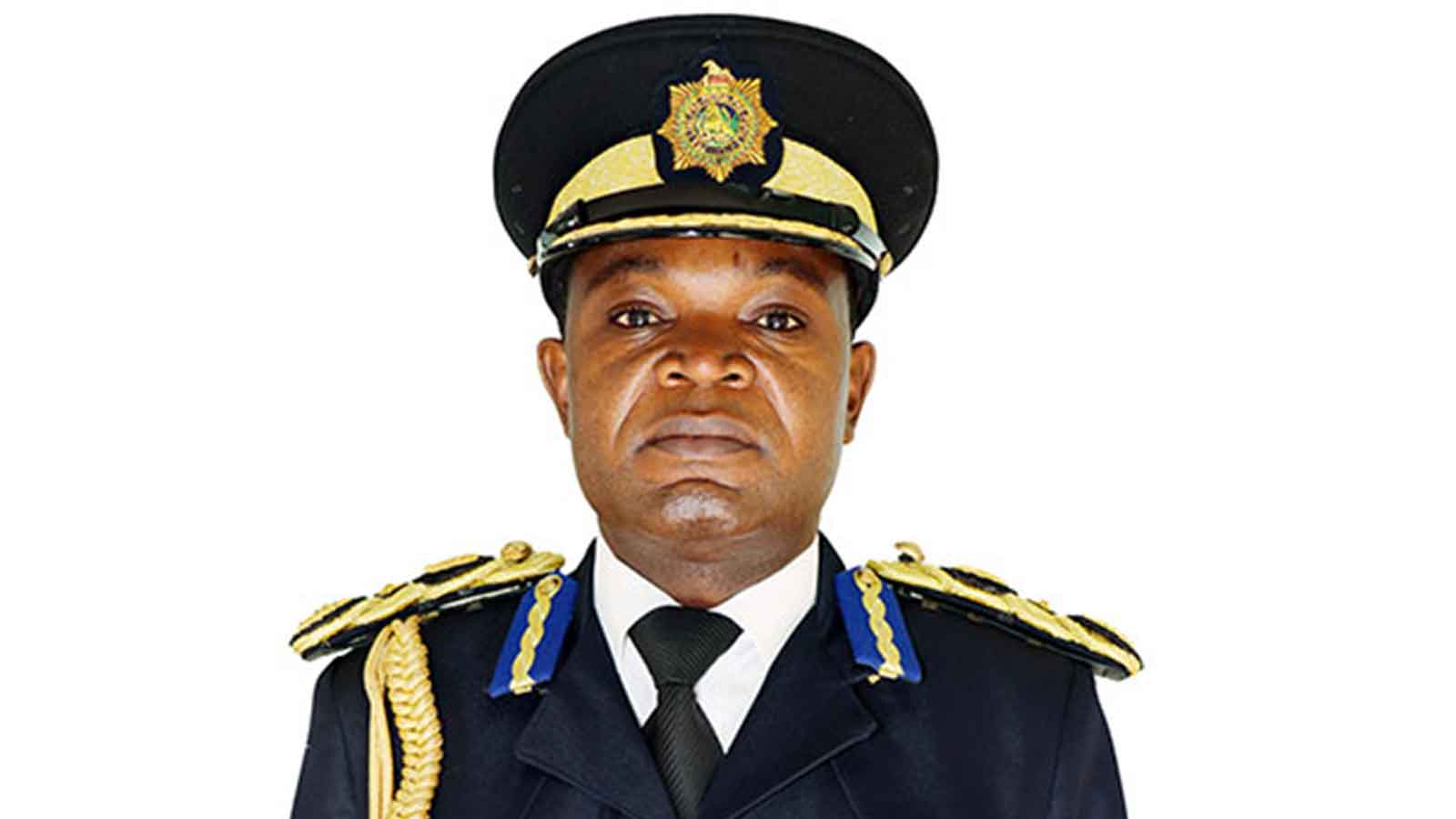
National police spokesperson Commissioner Paul Nyathi added his voice to the fight against GBV, urging couples to seek help early instead of letting arguments turn violent.
“It’s not easy to vent out anger to strangers or even relatives but when angry, when in deep thought, seek advice, talk to someone,” Commissioner Nyathi said.
“Resorting to violence only results in destruction of property, injury or death of the affected couples. So people should consider seeking help or therapy and if that fails, they must just move on,” he said.
Commissioner Nyathi said the police are there to assist members of the public as well as community leaders such as church leaders, and encouraged people to involve a neutral third party when disagreements start.
According to the United Nations Office of Drug and Crime (UNODC), around 80 000 women are killed every year worldwide.
Approximately 50 000 of those deaths are at the hands of intimate partners or other family members.
The data reveals a cruel pattern: women are often at their most vulnerable in their own homes, particularly when they decide to leave a relationship or ask for a divorce.
The moment of separation, meant to bring safety, can instead trigger lethal violence.
According to the UNODC, femicide represents the most extreme manifestation of gender-based violence against women and girls.
“Very often, such killings are not isolated incidents but rather the culmination of pre-existing forms of gender-based violence that affect all regions and countries worldwide. Global estimates indicate that approximately one in four women and girls aged 15 to 49 (25,8 percent) worldwide have experienced physical and/ or sexual violence by a current or former husband or male intimate partner at least once in their lifetime,” said UNODC.
This recent study adds that in broad terms, femicides or gender-related killings of women and girls are perpetrated in a variety of settings, within the private sphere and beyond, for gender-related motives.
The motives behind such crimes are rooted in societal norms and stereotypes that consider women to be subordinate to men, as well as in discrimination towards women and girls, inequality and unequal power relations between women and men in society.
“Since gender-related motives characterise the context in which these crimes are committed, this makes them distinguishable from other intentional killings of women and girls unrelated to gender motives,” said UNODC.
The largest share of intentional killings of women and girls worldwide are perpetrated by intimate partners or other family members.
This implies that the home continues to be the most dangerous place for women and girls in terms of the risk of homicide.
On closer inspection of the relationship between victims and perpetrators, estimates based on available data suggest that the largest share of intimate partner/family member killings in Europe and in the Americas are in fact committed by intimate partners, with 64 percent being murdered by their intimate partners in Europe and 69 percent in the Americas.
Gender activist Ms Locadia Mavhudzi said this is because many men have been socialised to equate love with ownership, and disagreement with humiliation.
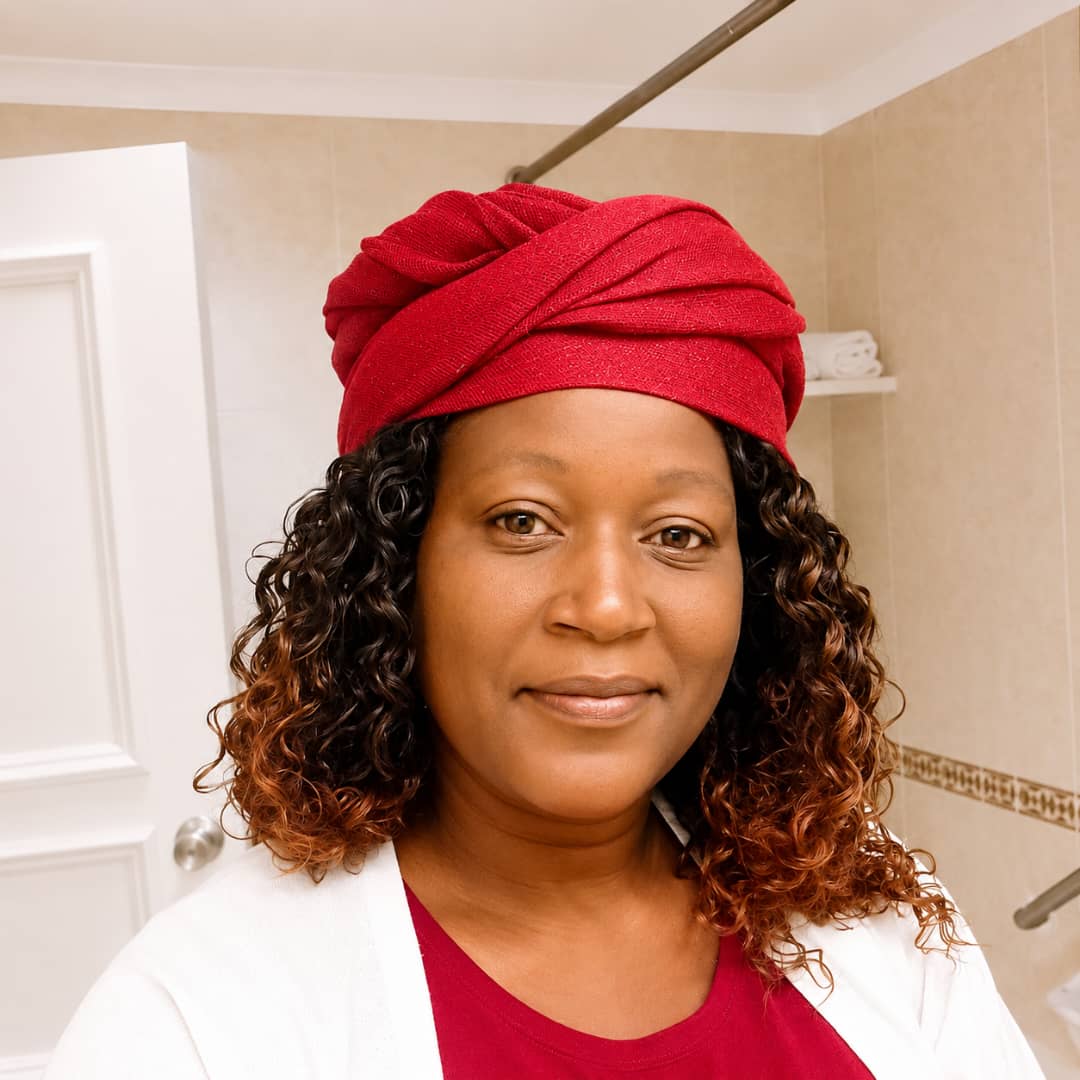
“We must raise boys to understand that love does not entitle anyone to control, possess, or harm another person. No disagreement, rejection, or separation can ever justify violence,” she said.
Ms Mavhudzi said the warning signs are usually there long before tragedy strikes: constant arguments, threats, jealousy, substance abuse, and a refusal to accept “no”.
She said the healthier, braver option is to walk away.
“Strength is not measured by how long you can endure a toxic relationship. It is measured by your ability to exit without destroying yourself or someone else,” she said.
Ms Mavhudzi said such acts of femicide and family violence will leave surviving relatives, friends, and the wider community experiencing profound grief, trauma, fear, anger, and helplessness.
“Children who are exposed to or affected by such violence are prone to suffer long-term emotional and developmental consequences, including anxiety, depression, post-traumatic stress, difficulty trusting others, and disrupted feelings of safety and belonging,” she said.
For women in general, incidents of this nature reinforce fears about intimate partner violence, increase psychological distress, and can contribute to heightened vigilance and insecurity within relationships and communities.
The impact is therefore not only personal but collective, affecting mental wellbeing, social cohesion, and the sense of security among families both in modern and traditional family setups.
According to Mr Alois Nyamazana, a sociologist and director of Fathers Against Abuse, couples should learn to seek help, particularly professional counselling, which helps when navigating issues.
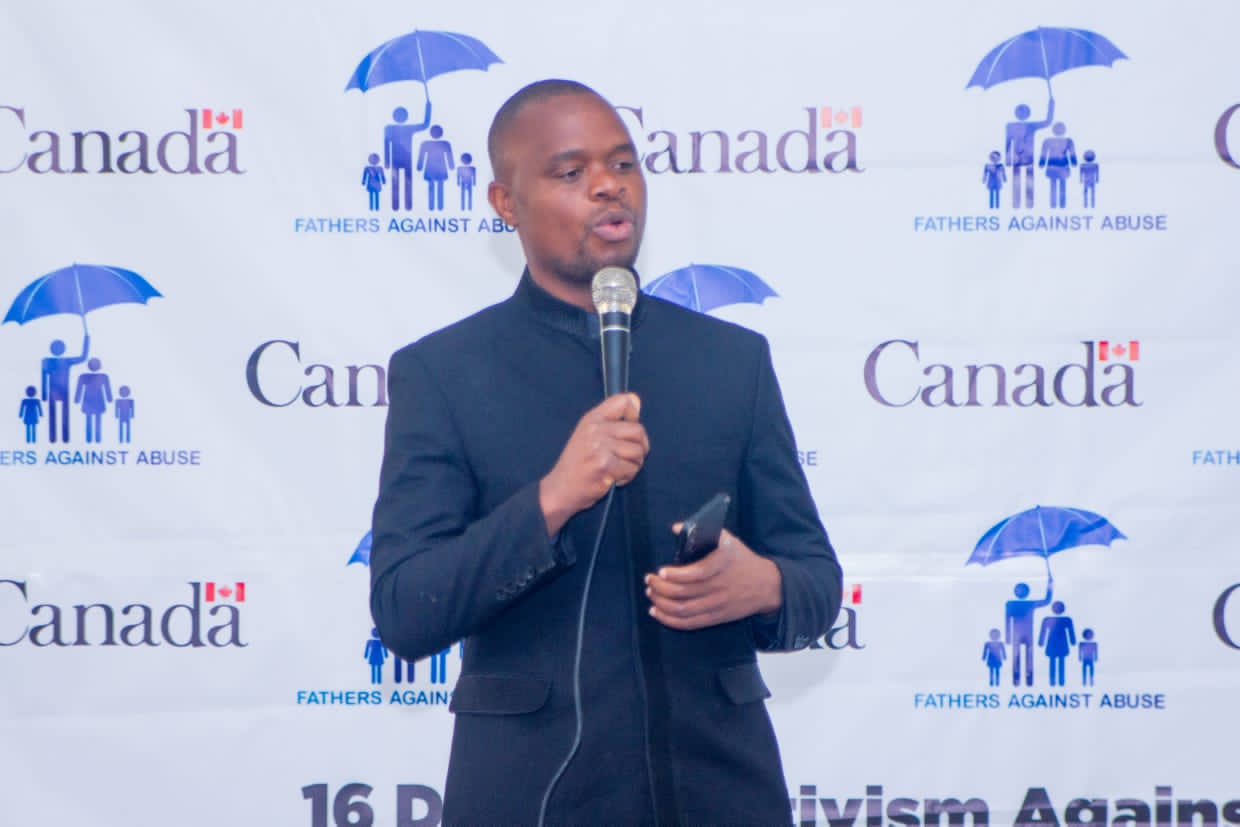
“Love and feelings can disappear and that’s normal and we can’t force things to work. The good thing is to seek counselling to restore the love. We need to find solutions on how to restore the love and affection. At times we recommend separation so that each partner reflects, retreats and gathers their thoughts on how to move forward,” he said.
Mr Nyamazana said when couples feel that affection and love has disappeared, divorce can be the best thing.
“Love alone cannot fix abuse, addiction, or irreconcilable differences. It means seeking help early by talking to a pastor, elder, counsellor, police victim-friendly unit, or men’s support group before anger boils over. It means exiting with a plan,” he said.
According to Mr Ison Ndoro, a forensic psychologist and adjunct lecturer in the Department of Applied Psychology at the University of Zimbabwe, there is a need for couples to value or consider psychological preparedness for marriage.
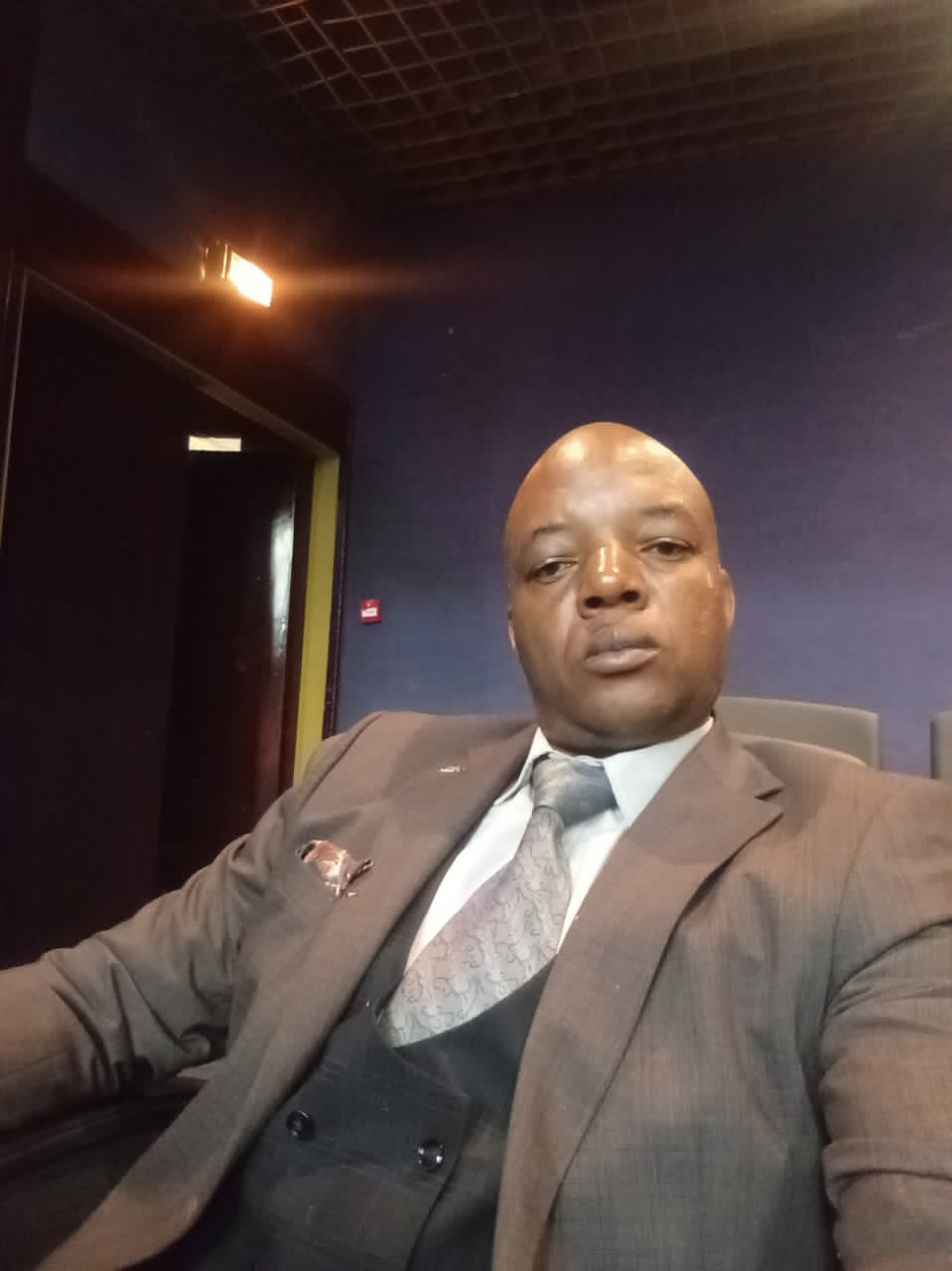
“As humans, we have traditionally devoted a lot of attention to preparations for marriages and weddings. We invest a great deal of effort in carefully planning wedding venues, meticulously selecting wedding attires, indulging in sumptuous wedding feasts, and planning for memorable honeymoons. Church members, marriage counsellors, pastors provide premarital counselling and in most cases they focus on issues to do with family financial management, marital roles and conflict resolution. In the midst of all that, we shy away from one critical area. That is psychological preparedness for marriage,” he said.
Mr Ndoro said psychological preparedness can help identify problematic patterns of behaviour, emotional and cognitive functioning as well as relationship dynamics that may warrant attention before two people commit themselves to a lifelong intimate relationship.
“Research has consistently identified recurring warning signs in many abusive relationships. These include pathological jealousy, coercive control, emotional dysregulation, emotional manipulation, substance misuse and history of violent behaviour,” he said.
While these may profile an individual and determine risk of violence, Mr Ndoro said they do not conclusively suggest that a partner will commit homicide, nor does their absence guarantee a safe relationship.
They serve as warning signs that should not be dismissed as minor relationship problems.
“The purpose of premarital psychological assessment will not be to discourage marriage, but rather to strengthen its foundations before couples say ‘I do’.
“Preventing intimate partner homicide should be a collective responsibility at the primary prevention level. Drawing expertise from pastors, community leaders, counsellors, traditional leaders, family members and psychologists in a collaborative manner, is key. The biggest lesson from the recent tragedy of intimate partner homicide in the UK is that prevention of such violence should begin long before the crime is committed,” he said.
Pastor Fanuel Banda of Baptist Church in Gweru said a partner choosing to leave is not an attack on one’s manhood but it is their right.
He said some community groups are now running “men’s circles” — safe spaces where men discuss stress, finances, infidelity, and breakups without shame.
The goal is to normalise the idea that leaving is an option, and that asking for help is not unmanly.
“We tell young men: you can be heartbroken and still not be dangerous. “You can be angry and still not raise your hand. You can lose a relationship and still keep your dignity.”
Churches are also being called to play a bigger role. Minister Ncube’s appeal for pastors to design GBV programmes reflects a growing recognition that pulpits must address not just marriage, but how to end a marriage peacefully.
Experts say prevention requires work on three fronts. In homes, parents must model conflict resolution.
Children who grow up seeing shouting, insults and violence learn that as “normal love.”
In schools, life skills lessons must teach boys emotional regulation and consent, and teach girls that they can leave safely.
In communities, leaders, from chiefs to councillors and police, must stop treating GBV as a “family matter” and start treating it as a public emergency.
Commissioner Nyathi’s call for third-party intervention and Minister Ncube’s proposal for home care programmes echo this.
Just as community health workers checked on HIV patients, trained volunteers could check on high-risk households and link them to police, social workers and legal aid.
At the funeral, mourners struggled to reconcile the image of a mother and her two young daughters with the brutality of their alleged deaths.
Nothabo, Natalie and Nala’s story has become a rallying cry — not just for justice through the courts, but for cultural change in how men handle heartbreak.
The message from Government, police, leaders and counsellors is converging: if love hurts, walk away. If the house is no longer a home, leave the house. If the relationship is broken, end the relationship.
But do not raise a hand. Do not take a life.
“Strength is choosing life — yours and theirs. Weakness is choosing to destroy because you could not let go,” said Ms Mavhudzi.
As Zimbabwe grapples with rising GBV cases, the question Minister Ncube posed hangs heavy: “Where are we missing it?”
Perhaps the answer begins with teaching every boy that the most powerful thing he can do when love turns sour is not to fight harder, but to walk away, to talk to someone, and to keep his humanity intact.