Online Reporter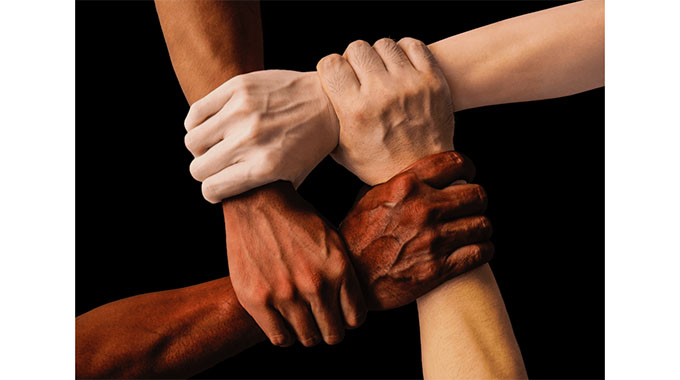
Taygeta Zihwi and Tanyaradzwa Mutseura
THE tragic story of a Grade Four boy from Victoria Falls who took his own life following a domestic dispute over a lunchbox left many Zimbabweans shocked and heartbroken. This incident is a mirror reflecting the slow disintegration of oneness that once defined African and particularly Zimbabwean communities.
Traditionally, Zimbabwean society was built on the philosophy of Ubuntu, the belief that “I am because we are”. In those days, raising a child was not the sole responsibility of parents but a shared duty of the extended family and the wider community.
Grandparents, aunts, uncles, and even neighbours all had a role in nurturing, correcting, and guiding a child. A sense of collective belonging ensured that no child felt abandoned or misunderstood.
However, modernity has quietly but deeply eroded that sense of communal responsibility.
Today, individualism has replaced oneness. The influence of modern lifestyles, migration, and changing social values has led to fragmented family structures. Many families now function in isolation, parents busy with work or living apart, children left in the care of elderly grandparents, and relatives growing distant. The social safety nets that once cushioned emotional pain have weakened. Society has, in a sense, become crippled by its pursuit of modern progress at the expense of its human connections.
In the Victoria Falls case, it is easy to point fingers at the grandmother or the child, but the deeper truth is that the family fabric itself has been torn. The intergenerational conflict we now witness is a product of a growing emotional divide between the old and the young. Parents, in some cases, unknowingly contribute to this fracture by fuelling divisions among siblings, favouring some family members over others, or instilling resentment towards extended relatives. In doing so, they pass on bitterness and disunity, emotional inheritances that weigh heavily on young, impressionable minds.
Even the institutions that were once the moral pillars of our families, such as the church, have not been spared. Once, the church stood as a unifying spiritual centre, a place where families came together under shared values. Now, families are often split along denominational lines. It is not uncommon to find a mother, father, and children attending different churches, each claiming to hold the “truth”. Instead of fostering unity, this religious fragmentation often deepens emotional and social disconnection.
This tragedy calls for deep introspection. It is not simply about a lost life, but about a society that has lost its collective soul. We must revisit the values that once held us together –respect, empathy, shared responsibility, and open dialogue. Communities must once again become spaces of safety and connection. Churches, schools, and local leaders must collaborate to restore the web of social support that once protected the vulnerable.
The lunchbox dispute was not about food, it was a cry for understanding, for love, and for belonging. Until Zimbabwean families and communities begin to mend the broken threads of oneness, similar stories will continue to haunt us. Healing begins when we realise that no child should ever feel so isolated in a family that was meant to hold them close.