Online Reporter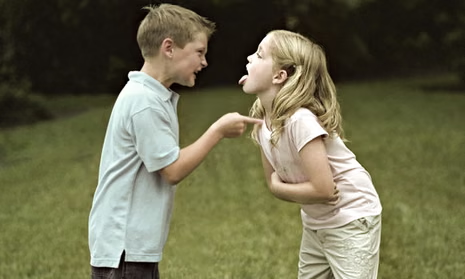
Pauline T Nenerai, [email protected]
Sibling fights are normal. Brothers and sisters will argue over toys, TV time, chores, attention, or just because their personalities clash. A disagreement here and there can even be useful. Children learn how to talk, listen, and work through problems.
But when fights become frequent, loud, or aggressive, they can affect how children feel and behave. The impact is not only on children. Parents and other adults in the home also feel the stress.
How constant conflict affects children
Children who are always in conflict with a brother or sister may start to expect the next argument.
Some become anxious. Others feel sad, lonely, or develop low self-esteem, especially if they are often criticised, bullied, or compared to a sibling. You will also see children who respond with anger because that is what they see at home. Other children shut down. They become quiet, withdraw from family and friends, and stop sharing what they feel.
A tense home makes it hard to concentrate. Schoolwork can slip because a child is distracted by worry or emotional pain. Friendships can suffer too. In more serious cases, ongoing bullying between siblings or physical aggression can lead to depression, behaviour problems, and signs of trauma.
Teenagers who feel rejected or unsupported by their siblings may also be more likely to take risks or struggle with mental health.
The role of parents and caregivers
Parents and caregivers play a big role in how sibling conflict is handled. The way adults respond can calm things down or make them worse.
First, stay calm. When emotions are high, children copy that energy. Listen to each child without taking sides. Avoid favouritism and avoid comparing children. “Why can’t you be like your brother?” only adds hurt.
Set clear family rules and keep them. No hitting, no insults, no name-calling, no threats. Enforce them every time. Teach children how to express feelings without attacking. Phrases like “I feel upset when . . .” help more than shouting.
Also guide children to solve problems together. Ask them what happened, what they need, and what solution can work for both. This builds empathy, cooperation, and resilience. When children practice this at home, they carry those skills to school and later to work.
Building stronger sibling bonds
Do not forget to notice the good. Siblings can be each other’s best support. Encourage teamwork. Cook together, clean up together, play games, or work on a small family project. Have family discussions where everyone gets a turn. And praise positive moments. “Thank you for helping your sister” teaches children that kindness gets noticed, not just fights.
When to seek professional help
If conflict becomes violent, if one child is constantly bullied, or if you see signs of serious emotional distress, it is time to get help. A counsellor, psychologist, or family therapist can help you understand what is driving the fights and teach new ways to communicate
Turning rivalry into support
Healthy sibling relationships give children emotional security and social skills they will use for life. Arguments will happen. That is part of family life. What matters is how we respond. By teaching respect, empathy, forgiveness, and fair ways to resolve conflict, parents can help children turn rivalry into friendship and protect their mental well-being along the way.
Pauline T Nenerai is a registered counselling psychologist



 Bongani Ndlovu