


 Online Reporter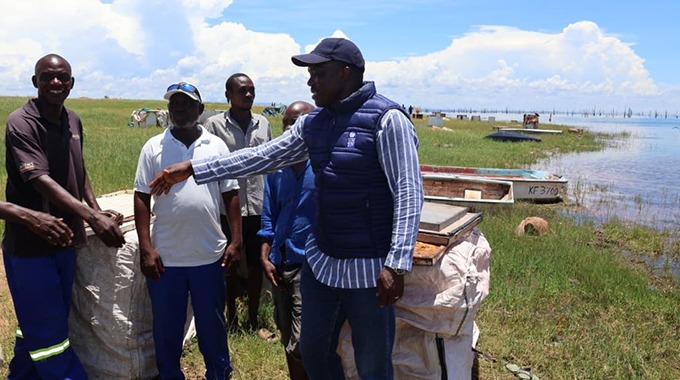
Theseus Shambare, Features Writer
AT dawn, the Zambezi exhales mist.
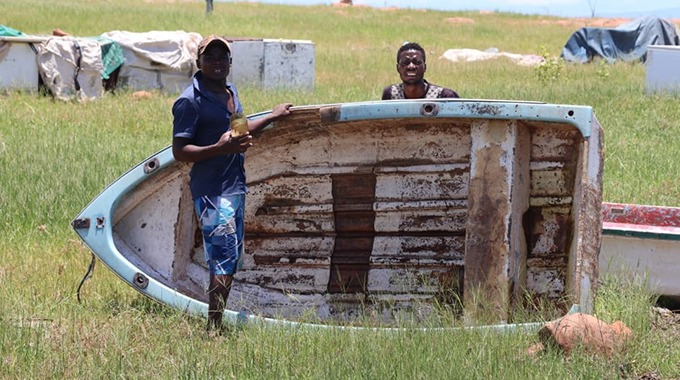
Boats return slowly to shore, their wooden hulls heavy with the night’s catch.
Water drips steadily from silver scales.
The fish are fresh. Firm. Worth good money.
But for years at Kings Camp — known locally in Tonga as Luyando, meaning love — value disappeared almost as quickly as the morning dew.
“From the moment the fish leaves the water, the clock starts,” said Mr Tichaona Musaka, who began fishing in 2011 after being introduced to the trade by his maternal uncle.
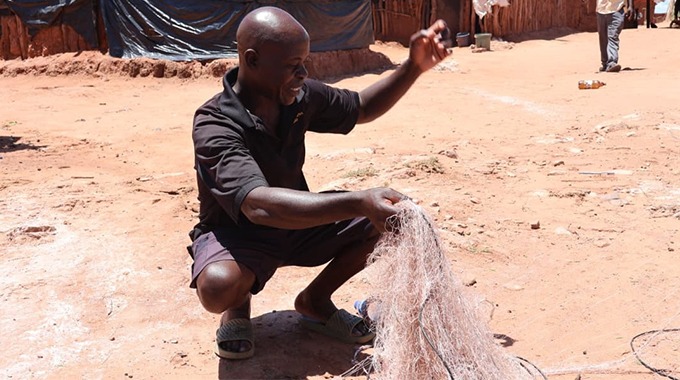
“You are no longer thinking about how much you caught. You are thinking about how fast you can sell.”
At Luyando, time was never romantic.
It was ruthless. The six-hour gamble
Between Kariba town and Luyando Camp lies a six-hour boat journey across the wide waters of Lake Kariba.
A single vessel owned by the Rural Infrastructure Development Agency (RIDA) plies the route — but only on Tuesdays and Thursdays.
For the 26 permit holders operating at the camp, each employing at least two workers and collectively producing about 15 tonnes of fish per month, that schedule shaped survival.
Ice blocks had to be bought in Kariba town and ferried back on that boat.
Six hours on open water. Six hours under heat. Six hours of melting margins.
“Sometimes by the time the ice arrived, it was already half finished,” said Ms Nyarai Siampande from Binga.
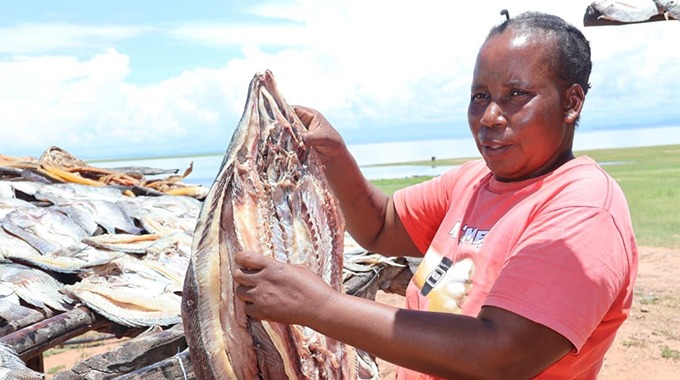
“And when buyers know your fish will not last, they lower the price. You cannot argue.”
Without reliable storage, fishers were forced to sell at as little as US$1 per kilogramme.
Not because the fish lacked quality.
But because time was expensive.
Freezing exploitation
That reality is now shifting.
With support from the United Nations Development Programme (UNDP), a US$52 000 cold-chain facility — including a 40-cubic metre containerised cold room and ice-making plant — is being installed at Luyando Camp.
By April, the installation is expected to be complete and functional.
The intervention is part of a broader infrastructure package that includes solar power and water systems, pushing the total investment to between US$60 000 and US$100 000.
The project falls under Phase Two of the Zimbabwe Resilience Building Fund (ZRBF), a multi-partner resilience programme funded by the European Union and the Government of Ireland.
The initiative is led, managed and coordinated by UNDP, with technical support from the Food and Agriculture Organisation (FAO) in natural resource management and agriculture. It is strengthened by the Resilience Knowledge Hub led by Mercy Corps through evidence generation and catalytic support and is being implemented in the mid-Zambezi through the Ushingi Consortium, led by DanChurchAid.
Ushingi ZRBF 2 Project Team Leader Mr Brighton Chiparausha said the cold facility represents a shift from vulnerability to resilience. “Our focus under ZRBF Phase Two is to strengthen communities against shocks — whether climatic or economic,” he said.
“At Luyando, we are addressing both. By improving post-harvest handling, strengthening market access and enforcing sustainable practices, we are ensuring that productivity translates into real income and long-term resilience.”
UNDP Resident Representative Dr Ayodele Odusola said the objective is straightforward: protect livelihoods and end exploitation.
“We just do not want them to be ripped off by the middlemen and women that come here to buy at ridiculous prices,” he said.
“Now, with the cold facility, we are targeting at least 15 tonnes of fish monthly at normal market prices. It will enhance income, strengthen households and ensure they are not left behind in Zimbabwe’s development process.”
With cold storage at source, fishers can now negotiate from a position of strength — selling between US$3,50 and US$4 per kilogramme instead of panic-selling at US$1.
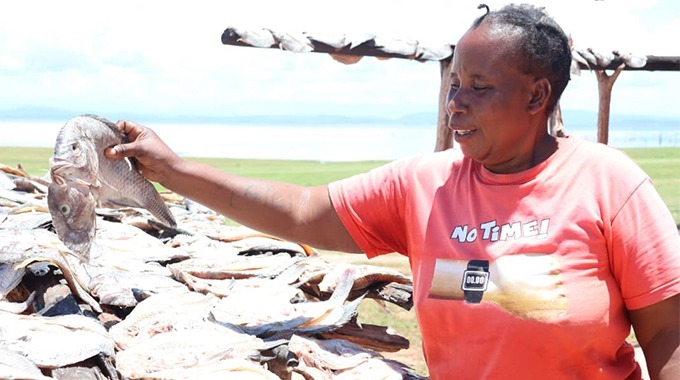
The numbers speak loudly. But the relief speaks louder.
A business, not a handout
The facility will be operated as a sustainable business model in partnership with the Matusadona Conservation Trust (MCT).
MCT Community Development Liaison Officer Mr Gilbert Mugwagwa said the approach is deliberate.
“This is about creating a structured market environment.
“Cold storage protects quality, but it also restores dignity. When fishers can store their product, they control when and how to sell. That changes everything,” he said.
He added that growth must go hand-in-hand with conservation.
“Fishers are required to use permitted nets that do not catch smaller fish and they must observe fishing regulations, including restrictions during full moon periods. Sustainability is not optional. Protecting the resource base ensures that the benefits we are seeing today will still be there tomorrow.”
Capacity building and financial literacy training are also part of the plan, ensuring the community can manage and maintain the infrastructure effectively. The aim is sustainability — not dependency.
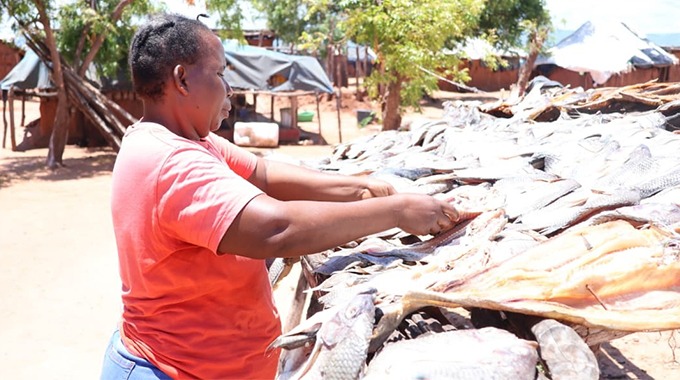
When love has no seasons
The camp’s Tonga name, Luyando, carries quiet symbolism.
In Tonga tradition, Luyando talujisi mwaka — love has no seasons.
For years, however, livelihoods here felt seasonal.
When the ice melted too quickly or buyers delayed, income shrank.
School fees waited. Household plans stalled. Now, preservation will no longer depend on a six-hour boat journey twice a week.
Ice will be made at the camp. Fish stored safely. Negotiations will happen on calmer terms.
The river is still the same. The boats are the same.
The fishermen still rise before sunrise. But something fundamental is shifting.
Time — once the silent enemy — is now being contained within steel walls, humming steadily against the heat.
At Luyando, love has no seasons.
And now, neither will opportunity.



 Bongani Ndlovu