Online Reporter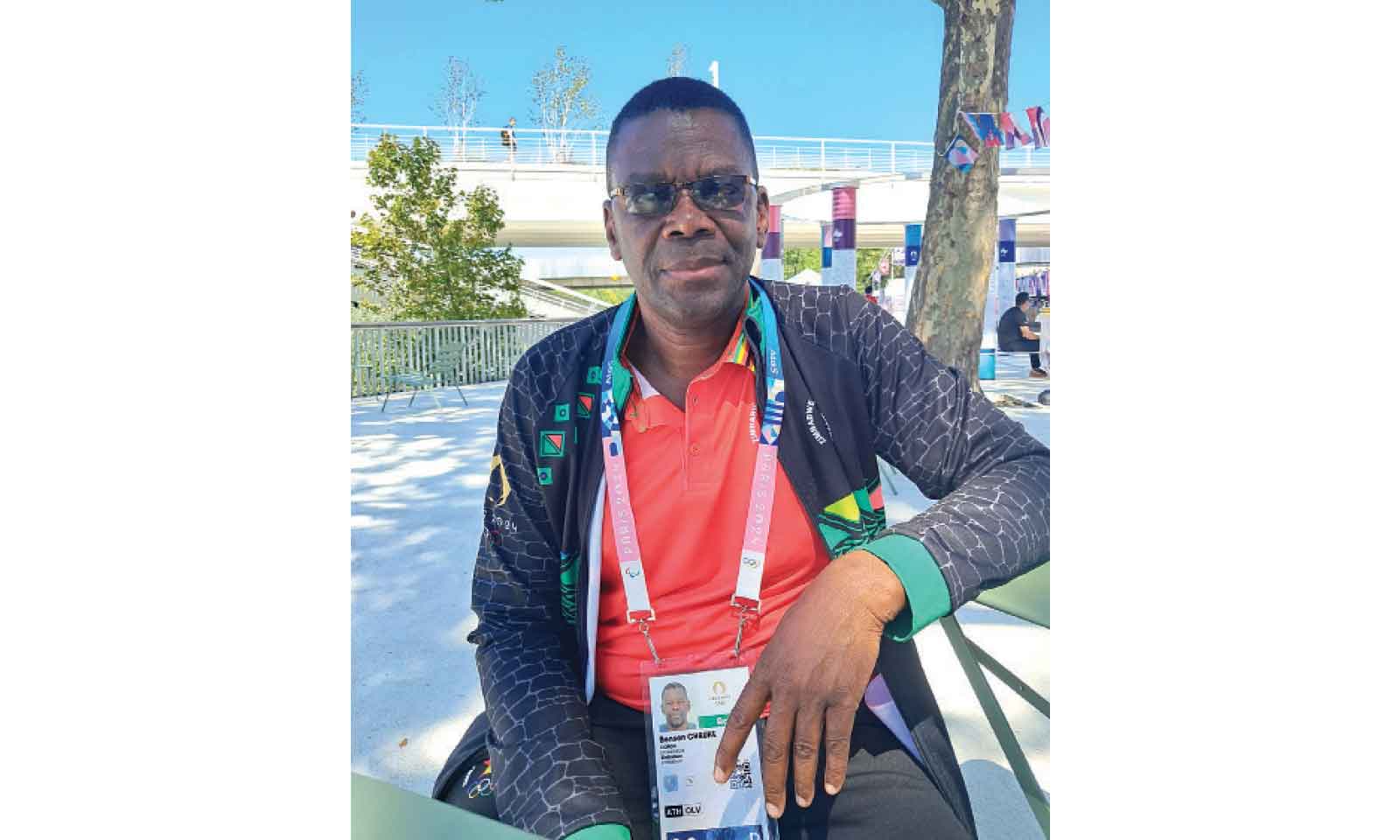
Ellina Mhlanga-Zimpapers Sports Hub
THE marathon has always been the event Zimbabwe could count on.
When global championships rolled around, the country usually had someone on the start line, ready to carry the flag for two long, lonely hours on the road.
This year in Tokyo it was Fortunate Chidzivo and Tendai Zimuto keeping that tradition alive, just as Isaac Mpofu and Rutendo Nyahora did at the Paris Olympics.
On the men’s side that pipeline keeps running, with Zimuto, Moses Tarakinyu and Blessing Waison all pushing into the space Mpofu will one day leave behind.
Zimuto even marked his World Championships debut with a calm, assured run in Japan.
The women’s story is thinner. For years now, Nyahora and Chidzivo have carried the responsibility of representation almost on their own.
They have shown up, qualified, delivered decent times and kept Zimbabwe on the radar, but they have done so with very little backup behind them.
The question keeps returning: Where are the next female marathoners who should be building on their foundation?
Plenty of women run marathons locally and often travel to South Africa to test themselves. The fields are there. The races are there. What is missing are the ones chasing the times that open the doors to the World Championships and the Olympics.
The further the standards rise globally, the quicker the local numbers fall.
National Athletics Association of Zimbabwe director of coaching, talent identification and development Phakamile Lisimati admits the gap is worrying.
“We do appreciate the challenge that we are facing as an association, considering the number of female athletes taking up full marathons at international world athletics stages. Lately, we have had Rutendo Nyahora and Chidzivo leading the pack in the World Championships and other competitions,” he said.
He believes the problem starts long before athletes reach the elite stage.
Culture, financial stress, the expectations placed on young women and the moment they get married all shape the choices they make.
“We are also not being spared from the challenges that face all others, female sports in the country or in the world,” said Lisimati. “Looking at our country, our economic situation, our cultures, our beliefs as Africans and women; all of those other factors also come in.
“Our young ladies also get into marriage, where husbands also then decide on the future of our athlete. Childbirth also comes into play and at times it takes a lot of time and at times it gives them a lot of challenges to return to the track or to the road to run.”
Money remains a constant drag. Training for a marathon is expensive and time consuming. Athletes need food, rest, transport, medical support and reliable coaching structures. With the economy struggling, many women choose immediate income over the long, uncertain path of chasing qualifying times.
“Financially, the economic situation has not spared us,” said Lisimati. “Our young ladies and young men, and the need to get a job, the need to earn a living through other means other than athletics.
“Although we are trying by all means as an association to encourage and motivate our young ladies to take up professional running, to take up continuous running in the sport, we are facing challenges like any other sport.”
Benson Chauke, head of the national event coaches team for middle- and long-distance runners, sees the same pattern repeated across the country.
Young girls show real ability in high school, perform well in provincial meets, then vanish just when they should be stepping into the senior ranks.
“We have a lot of women that are doing long distance,” he said. “Their times are not as competitive as probably what we would want for the Olympics, for the World Champs. But there are a lot of women that are doing marathon races, and they are quite happy with their performances, so that is one area where we have a positive in terms of numbers.
“When it comes now to the elite group, we now have fewer ones. We have quite a small group at the top.”
Age is another factor. Most of the women competing at the highest level are edging towards the back end of their competitive lifespan. The next generation is not replacing them fast enough.
“Our culture, usually, women get married after school, maybe college, at 21, 22. If these were girls that were coming from the provinces out in the rural areas, usually by then they have a relationship, but because of exposure, might end up getting married earlier,” said Chauke.
“When they get married, the athletic route probably comes to an end because the husband may not want to see their wife going out travelling, and they would want to start a family.”
Marathon running demands time many cannot spare. Four straight months of focused training, little room for other events and the risk of walking away empty-handed make the pursuit a gamble.
“Marathon is not an easy walk into the park. It’s a four-month preparation event,” said Chauke.
“When you start it, you hardly can compete in other events if there is going to be competition. You have to focus on four-month preparation. You have to get it right at the end of the four months.
“If you don’t get it right, you have wasted your four months in terms of what you would have expected in the end, in terms of monetary value, or in terms of time.”
For many women, the pressure to earn immediately outweighs the possibility of qualifying for major championships.
“You will find that most of our athletes, even though they have the talent, at times they are forced to continue to run to earn a dollar to look after their families,” he said. “But at the same time, if those same people could have support and focus specifically on athletics, they could actually improve their time.”
Chauke believes the coaching system itself needs a deliberate, targeted approach that places women at the centre.
He wants more exposure, more competitions, more consistent support and a clear pathway that starts in rural communities and feeds into the elite structure.
Without that, the sport will continue to rely on the same two names.
He pointed to the role played by the uniformed forces in the past.
The Zimbabwe National Army, the police and the prisons service once provided athletes with employment, training grounds, allowances and a system that rewarded performance.
Kenya, Africa’s marathon superpower, still thrives on that structure.
It worked before. It can work again.
Right now, Zimbabwe’s women are running. They are training. They are stepping onto start lines every weekend. What they lack is the chance to chase the times that matter.
Until that gap closes, the marathon will remain a tale of two runners carrying a flag that should be lifted by many more.