Online Reporter
Bruce Ndlovu, Sunday News Reporter
IRONY is usually when expectation contradicts reality. And yes, when the healer becomes the patient it can be ironic.
When Taurai Prosper Vanhuvaone began his elaborate scam by posing as a doctor, he mimicked the mannerisms of the medical professionals around him.
Vanhuvaone, now notoriously known as the Mpilo fake doctor, would roam the city with a stethoscope swinging from his neck.
However, the stethoscope — eye-catching as it was — served merely as a decorative prop. What truly captivated his would-be victims was the lifestyle he portrayed.
According to those close to him, the impostor doctor frequented some of the city’s popular nightspots, alcoholic cider in hand, darting in and out until the early hours of the morning.
To those familiar with the city’s medical professionals, his behaviour did not raise eyebrows — they had seen many exhibit similar traits. The excessive drinking, late nights and erratic behaviour only seemed to reinforce the illusion suggested by the stethoscope.
Ironically, in orchestrating his grand deception, Vanhuvaone inadvertently painted a vivid portrait of urban doctors who, from an outsider’s perspective, resemble functional alcoholics struggling to balance the demands of life and work.
Last month, Health and Child Care Minister Dr Douglas Mombeshora revealed that the issue runs deeper than it appears.
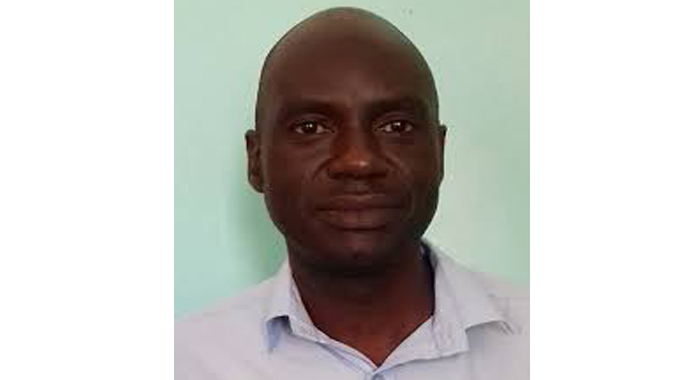
Medical professionals in Zimbabwe are reportedly grappling with drug and substance abuse.
“One urgent threat is drug and substance abuse, which is devastating young people and straining our health systems. Yet we cannot pretend that it is only out there; some health professionals themselves are also struggling with substance abuse.
“Let me say, when the healer becomes the patient, our entire system is at risk. We now have more than 70 health professionals who are struggling with drug and substance abuse. Let us help them,” Dr Mombeshora said.
Addiction remains a taboo subject in the medical field, even as a perfect storm of high stress and easy access to controlled substances places doctors at elevated risk.
Studies show that while nine percent of the general population will struggle with substance abuse during their lifetime, the rate among physicians’ ranges between 10 percent and 15 percent.
Easy access to drugs is a major contributor, with Dr Mombeshora revealing that some of the country’s medical professionals are addicted to pethidine — an opioid commonly used to relieve moderate to severe pain.
According to Lester Grinspoon, a former Harvard Medical School instructor and one-time addict, doctors often feel ashamed to confront their addiction, as the public tends to view them as flawless and all-knowing.
“First of all, doctors are under a lot of stress and then there are expectations,” said Grinspoon.
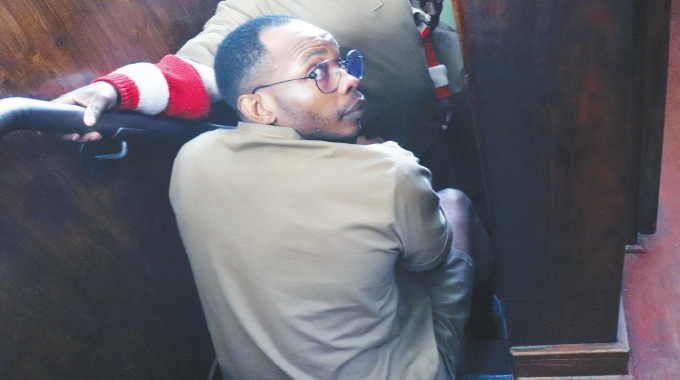
“There is this culture that doctors are supposed to be perfect — they do not get sick, they do not have any problems — and that culture makes it harder for us to ask for help.”
Brian Lynch, an author and physician, noted that the medical environment can mask addiction.
Long hours and demanding schedules often serve as convenient explanations for fatigue or irritability that might otherwise raise concern.
While some attribute substance abuse among medical professionals to long hours and tough working conditions, Ingutsheni Central Hospital clinical director Dr Wellington Ranga believes workplace stress is often used as an excuse.
“I do not think doctors are getting addicted because of workplace pressure or anything of that sort. Usually, when people say that, they are using it as an excuse for their addiction. Many want to blame their problems, but if you look at the profile of people in rehabilitation centres, some are well-off and were simply seeking pleasure — things went wrong afterwards,” Dr Ranga said.
Given their knowledge of the effects of harmful substances, it may seem baffling that doctors fall prey to addiction.
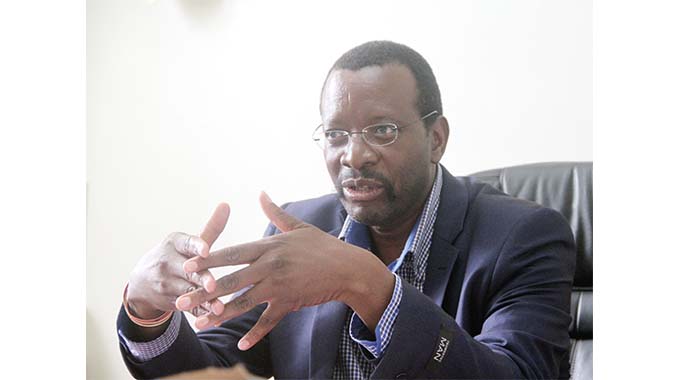
However, Dr Ranga emphasised that despite their expertise, doctors are still human — and often fail to follow their own advice in pursuit of temporary pleasure.
“There is a common misconception that doctors are immune to addiction because they understand the dangers. That is not true. They are human like everyone else and when they encounter these substances, they are seeking pleasure.
“In our campaigns, we always highlight the damage these drugs cause, but people do not listen. Why? Because the desire for pleasure overrides those concerns — and the same applies to doctors,” he said.
Veteran medical practitioner Professor Solwayo Ngwenya added that the erosion of cultural values in society has also affected medical professionals.
“This issue is not confined to doctors — it is a societal problem. The new generation is facing a breakdown of family values and a degradation of our culture. The figures on doctors abusing drugs are just the tip of the iceberg.
“Our society has lost many cultural values. The weakening of family structures and the diminished role of teachers in child upbringing have left our youth vulnerable to peer pressure,” he said.
Prof Ngwenya advocated for a holistic approach to address the crisis, noting that medical professionals come from the same communities battling drug and substance abuse.
He emphasised the importance of reviving traditional values to complement Government efforts, such as the Zimbabwe National Drug Master Plan, which focuses on supply reduction, demand reduction and harm reduction.
“The doctors you hear about today did not start abusing drugs in hospitals — they began in secondary school. We need to return to our cultural roots and embrace the ways our ancestors lived.
“We must promote strong family structures, empower teachers to play a vital role in early childhood development and instil values of hard work, dedication and pride. Once isigogo sigoqwa sisemanzi, we will see fewer of these problems. Our people, our culture, expected every individual to be responsible,” he said.