admin
admin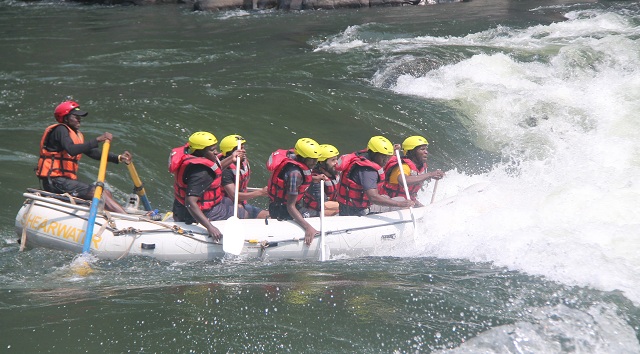

Stanford Chiwanga
WHITEWATER rafting on the Zambezi River rapids is not the favourite pastime of the majority of Zimbabweans as they believe the sport is extremely dangerous. In their minds, rafting on the river that creates a divide between Zambia and Zimbabwe is a thing for adrenaline junkies and foreign (mostly white) tourists.
This fear is not based on hard cold facts, but on newspapers and other media outlets that love to sensationalise whitewater rafting accidents. It is also created by the images on TV of rafters hurtling through the crashing waves of a Zambezi rapid with giant rocks encroaching on the left and right of the Victoria Falls gorge.
You can’t blame people for staying away from rafting when they visit Victoria Falls. After all, the Zambezi River has the highest concentration of grade five rapids in the world. It is rated as the best one-day rafting trip on earth and the most dangerous.
However, thanks to skilled whitewater rafting personnel, chances of one becoming a statistic are very slim. This deduction was not reached after interviewing whitewater rafting actors, but after Chronicle Political Editor Nduduzo Tshuma, Chief Photographer Eliah Saushoma and this reporter threw fear out the window and accepted the invitation by Sheer Waters to go rafting.
The pep talk in the still waters of the Zambezi helped calm nerves. The lifejackets we were strapped into, we were told, meant that we did not need to have an idea how to swim to avoid drowning. The paddling lessons ensured that when we hit the rapids we knew how to navigate through them. Amateurs as we were, we grew in confidence thanks to our guide, Sheer Waters’ Captain Elliot, who ensured that we found our “niche”.
We were also made to wear crash helmets to protect our heads in the event that we hit the rocks.
The trip down the Zambezi River rapids was a blast and it was not pants soiling as feared, but it was filled with hair-raising moments. The most outstanding bloodcurdling one was when Nduduzo and another rafter, Mlamuli Mdlongwa, were toppled into the breaking water waves of a violent grade five rapid that was threatening to tip over the inflatable boat.
The two were plunged into the water, where raging and surging currents and whirlpools sucked them down before eventually spitting them out thanks to the life jackets that prevent drowning. They were quickly pulled back into the raft (the buoyance of the life jackets makes a human being light in water. Hurling a person into a boat is easy as a walk in the park).
Whenever we went into a rapid there was no telling what path our raft could take through the swirling eddies and ferocious waves as our paddles could only command limited effect against the raging waters. But you have to give a Bells to Captain Elliot who expertly steered the blowup boat through the powerful rapids and made sure that the boat did not tip over and that everyone stayed in the boat. Well, most of the time anyway.
Whenever we approached a rapid, we paddled furiously to make sure that the raft had a chance of slicing through when we entered a current. But slicing through a rapid is easier said than done, the plunging water shook the raft from one direction to another within a few seconds and we had to hang on to the rope on the side of the boat to avoid being thrown into the water.
Is rafting scary? We agreed to disagree on this assertion when we reached the halfway stage where our day ended as we had opted for half-day whitewater rafting instead of the full-day. But we all agreed that it’s not as scary as it looks, especially when you have professional guides like the ones employed by Sheer Waters.


 derick.khumalo