daniel chigunwe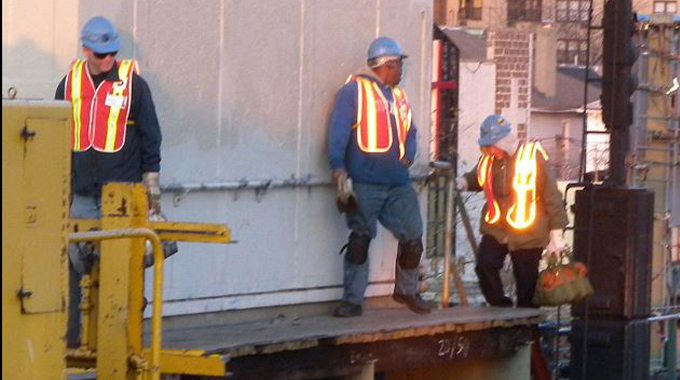
Engineering and Construction Matters with Innocent Chatikobo
Introduction
A workman, also known as a worker or labourer, is an individual who performs manual or skilled labour in various industries.
The term “workman” is often used interchangeably with “worker,” “labourer,” or “tradesperson.” They perform the labour in various industries including:
Traditional Trades —Construction (carpenter, electrician, plumber, etc.)
Service Industries — Maintenance and repair (HVAC technician, handyman, etc.)
Skilled Crafts —Electrical, plumbing and HVAC; Carpentry, masonry and woodworking
Unskilled Labour — General labourer
A workman typically performs physical or manual labour using specialised tools and equipment. He works on-site or in a factory/warehouse setting. For efficiency and better products quality, they may require vocational training or certification.
Tradesmen and professionals
Tradesmen and professionals differ in their execution of duties and level of education and training. Both require specialised training and expertise. Both require continuous learning to stay updated with industry developments.
Tradesmen: Typically require vocational training, apprenticeships, or certification. They are mainly involved in manual or technical work with hands-on skills (e.g., construction, electrical, plumbing, carpenters, mechanics, HVAC technicians.
Professionals: Typically require advanced education (Bachelor’s or higher) and are involved in knowledge-based or intellectual work.
They often work in offices or administrative settings. Examples include: doctors, lawyers, engineers, architects, teachers and accountants.
Forms of training
The following are the common forms of training for workmen. These forms of training help workmen develop skills, stay updated with industry developments and enhance their career prospects.
Formal Training:
1. Apprenticeships: On-the-job training under experienced professionals.
2. Vocational Schools: Specialised training in trade-specific schools.
3. Technical Institutes: Diploma or certificate programmes in technical fields.
4. Community Colleges: Associate degree programmes in trade-related fields.
5. University Programmes: Degree programmes in fields like construction management.
On-the-Job Training:
1. Mentorship Programmes: Experienced workers guide new employees.
2. Job Shadowing: Observing experienced workers to learn skills.
3. Hands-on Training: Direct supervision and guidance.
4. Cross-Training: Training in multiple skills or trades.
Short-Term Training:
1. Workshops: Focused training on specific skills or tools.
2. Seminars: Lectures and demonstrations on industry topics.
3. Conferences: Industry events with training sessions.
4. Online Courses: Webinars, tutorials and certification programmes.
5. Certification Programmes: Industry-recognised certifications (e.g., OSHA, EPA).
Online Resources:
1. Online Courses
2. Industry Websites and Forums
3. YouTube Tutorials and Channels
4. Mobile Apps (e.g., safety training, equipment operation)
An untrained workman
Investing in training and education can significantly improve the skills, productivity and well-being of untrained workmen. An untrained workman may face several challenges:
Some of the challenges include:
1. Safety Risks: Lack of training increases the risk of accidents, injuries and harm to themselves and others.
2. Reduced Productivity: Inefficiency and mistakes lead to decreased productivity and wasted resources.
3. Poor Quality Work: Untrained workers may not meet industry standards, resulting in subpar work quality.
4. Limited Career Advancement: Without training, workers may struggle to advance in their careers or secure better-paying jobs.
5. Low Earning Potential: Untrained workers often earn lower wages due to limited skills and expertise.
6. Difficulty Adapting to New Technologies: Untrained workers may struggle to adapt to new tools, equipment and methodologies.
Advantages of being a trained workman
Being a trained workman offers numerous advantages. It unlocks numerous benefits, from personal growth to professional success, economic stability and social recognition:
Personal Advantages:
1. Enhanced career prospects and job security
2. Increased earning potential and financial stability
3. Improved job satisfaction and reduced stress
4. Greater confidence and self-esteem
5. Better work-life balance and personal growth
6. Opportunities for entrepreneurship and self-employment
7. Enhanced reputation and professional credibility
Professional Advantages:
1. Advanced skills and expertise in the trade
2. Increased efficiency and productivity
3. Better quality work and reduced errors
4. Improved safety record and reduced accidents
5. Enhanced problem-solving and critical thinking
6. Effective communication and teamwork skills
7. Adaptability to new technologies and techniques
8. Leadership and management opportunities
9. Specialisation in niche areas or industries
10. Certification and licensure recognition
Innocent Chatikobo is an Engineer by profession with AtroServe Engineering Zimbabwe. He has extensive knowledge and experience in Structural Engineering and Construction. For your comments, views, questions and feedback he can be contacted on the following platforms; Cell: +263 777 950 224; +263 712 376 037; +263 782 502 732;Email: [email protected] ;Like the Facebook page: AtroServe Engineering Zimbabwe;Follow the Whatsapp Channel: AtroServe Engineering Zimbabwe



 Online Reporter