Online Reporter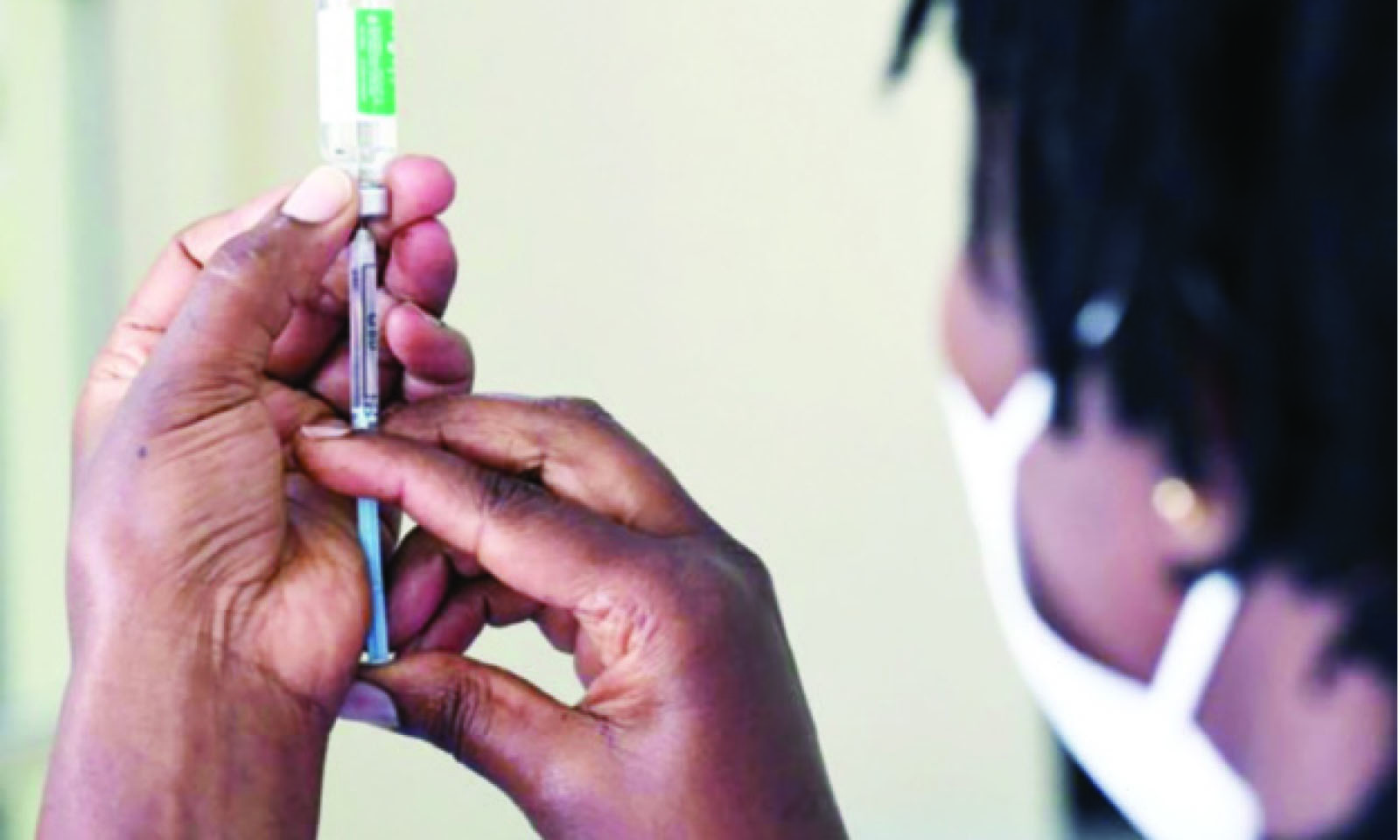
Francisca Mutapi
Correspondent
Africa experiences more disease outbreaks and public health emergencies than any other region globally. This reality is shaped by fragile health systems, limited disease surveillance and inadequate access to safe water and sanitation. The continent is also deeply reliant on external supply chains for essential health products — vaccines, diagnostics and medicines. Nearly 80 percent of drugs used in Africa are imported from outside the continent, leaving health systems vulnerable to global supply disruptions and pricing fluctuations.
The COVID-19 pandemic exposed the full extent of this vulnerability. African countries faced severe delays in accessing everything from personal protective equipment to medical oxygen, diagnostics, and vaccines. These delays weren’t just logistical — they revealed a structural lack of preparedness.
Local pharmaceutical production will transform this picture by ensuring reliable, affordable access to medicines tailored to Africa’s health needs. It also lays the foundation for stronger, more resilient health systems — those that can detect, respond to, and recover from health threats while maintaining essential services during crises.
Producing medicines locally allows countries to focus on treatments relevant to African contexts — for example, vaccines or creams that prevent waterborne infections commonly found on the continent, but which are rarely prioritised elsewhere. It also enables faster response to new outbreaks. Africa currently lacks the capacity to meet the G7’s 100 Days Mission, which calls for safe, effective, and affordable diagnostics, treatments, and vaccines to be available within 100 days of detecting a pandemic threat.
Some efforts are already underway. This year, the African Union produced a list of 24 priority medical products for regional manufacturing and an accompanying roadmap to achieve this. However, earlier roadmaps — including the 2007 Pharmaceutical Manufacturing Plan for Africa, and regional strategies from the East African Community and Southern African Development Community — fell short. These plans were undercut by weak political support, fragmented regulation, poor financing, and a lack of integration within national policies. The clear lesson is this: Well-designed strategies require strong execution, regional coordination, and enforceable implementation mechanisms to succeed.
Moving forward, African governments must treat local manufacturing as a strategic priority. Public investment, tax incentives, innovation funds, and public-private partnerships can help build capacity and attract capital. Regulatory harmonisation through institutions like the African Medicines Agency will streamline approval processes and improve quality standards. The African Continental Free Trade Area offers a powerful platform to expand regional markets and enable pooled procurement of African-made products.
Beyond infrastructure, this is about resilience. Countries with domestic production capacity are better positioned to respond to health crises and sustain long-term progress in areas like vaccination and chronic disease care. As external aid declines and donor priorities shift, self-sufficiency becomes both a strategic and financial imperative.
Africa is undergoing a major demographic and economic transformation. Local pharmaceutical ecosystems can drive innovation, create jobs, and improve health equity. The COVID-19 pandemic clarified the stakes: Sustainable health security depends on Africa’s ability to meet its own needs. International partnerships remain important — but must support, not substitute, African pharmaceutical production.
Francisca Mutapi is a professor of global health infection and immunity, and the deputy director of the TIBA (Tackling Infections to Benefit Africa) Partnership, at the University of Edinburgh.