Online Reporter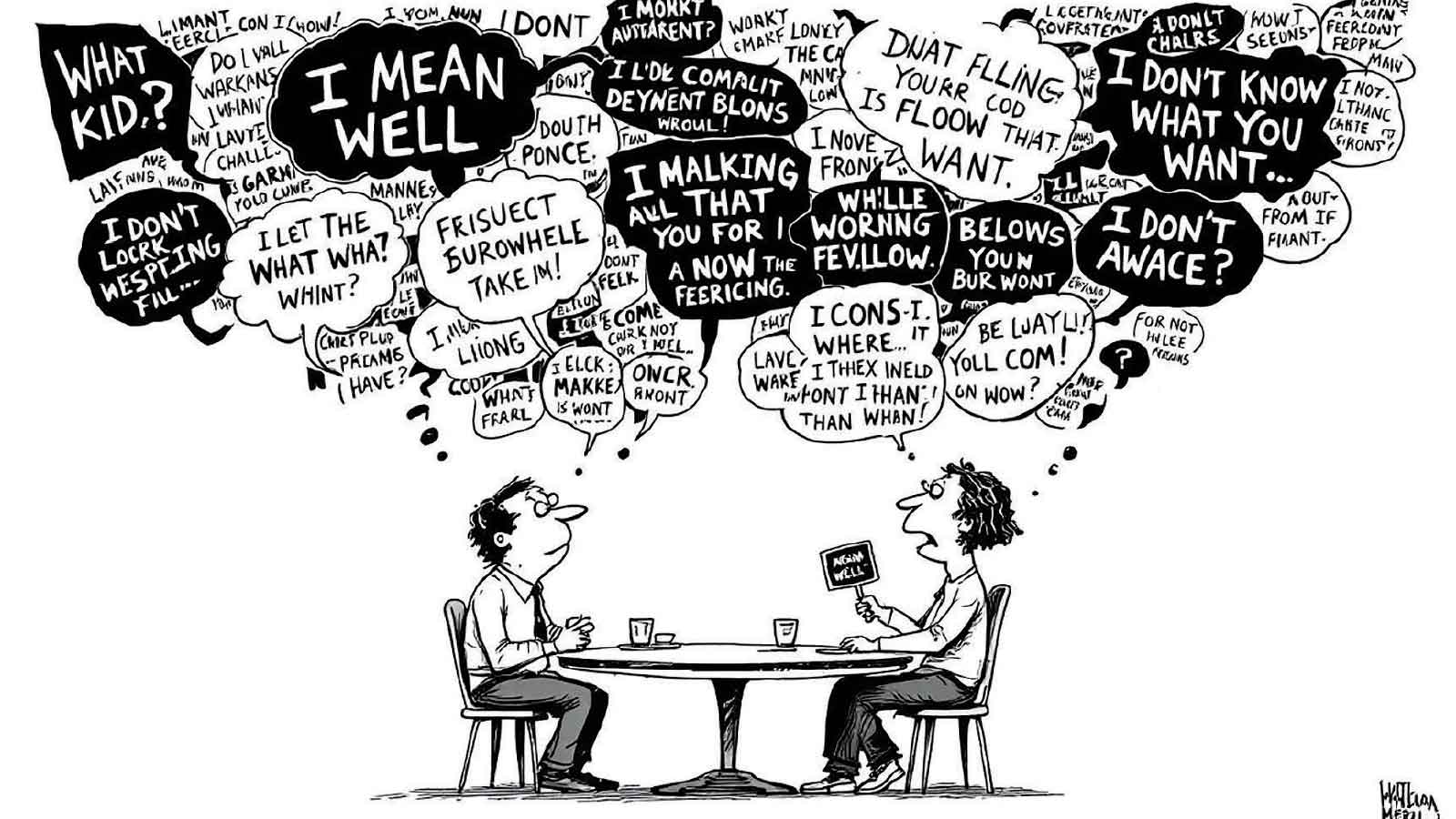
Vuyile Madwantsi
Relationship Expert Correspondent
WE’VE all seen it. You’re scrolling through WhatsApp stories, and there it is: a lone picture of a six-pack with the caption “SBWL iWings” or a cryptic post about how it “must be nice” to have a car in this heat.
On the surface, it appears to be a harmless vent or a wish list. But let’s be real, it’s a trap.
This viral TikTok phrase goes beyond passive-aggressive memes. “Dry begging” refers to hinting for money, attention or favours instead of asking directly, revealing how we avoid vulnerability and struggle to express our needs.
What is dry begging?
Think of dry begging as passive aggression wrapped in the excuse of “I never actually asked!” It’s that awkward middle ground where someone isn’t quite asking for a favour, but they’re making sure you feel their problem.
According to clinical psychologist Sabrina Romanoff, it’s all about indirect solicitation. Instead of just saying, “Hey, can I hitch a ride to work?” they’ll call you to give a dramatic, play-by-play account of how their car broke down and how “impossible” Uber prices are today.
It’s more intentional than a hint, but it stops just short of a real conversation. As marriage and family therapists point out, this is essentially a passive-aggressive power play designed to guilt-trip you into volunteering.
It’s the difference between a mature request and someone sighing loudly, “I guess I’ll just have to struggle through this alone,” while looking directly at you.
The message is loud and clear: they want your help, but they don’t want the “debt” of having to say thank you.
Why do people dry-beg?
If dry begging feels familiar, it’s because it taps into common fears and insecurities. Here’s why people resort to it:
- Fear of rejection
Asking directly can feel risky. What if they say no? Hinting becomes a safety net; if no one offers, the dry beggar can claim they never actually asked.
- Poor communication skills
Some people never learned how to express their needs clearly. Instead, they rely on indirect strategies, like dropping hints, expecting others to “read the room”.
- Emotional manipulation
In some cases, dry begging is used to guilt or pressure others into helping. It’s not about vulnerability but control, avoiding accountability while still getting what they want.
- Cultural conditioning
In cultures or families where asking directly is considered rude, indirect communication is often the norm. This can influence how people navigate relationships later in life.
- Testing relationships
This is a big one! For some, dry begging is a litmus test: “If you care about me, you’ll offer before I have to ask.” But this expectation often leads to resentment and misunderstandings.
How dry begging plays out in everyday life
Dry begging doesn’t just happen on TikTok. It’s a quiet disruptor in romantic relationships, friendships, workplaces, and even social media. Here’s how it shows up:
In relationships
Dry begging often takes the form of subtle hints designed to inspire grand gestures or gifts:
“Wow, those shoes would look amazing on me . .. ” (hinting for their partner to buy them).
“Our neighbour just surprised his wife with flowers. It’s been ages since I got any.” (hinting at a bouquet).
“I don’t know how I’m getting to the airport tomorrow.” (hinting at a ride).
Among friends
Among peers, dry begging often masquerades as casual comments or complaints:
“I can’t believe my Netflix subscription ended.” (hoping someone will share theirs).
“I miss going to brunch, but I’m broke.” (hoping to be treated).
“My birthday’s coming up, but I’m not doing anything special.” (hoping friends will plan a surprise).
At work
In professional settings, dry begging often takes the form of strategic grumbling:
“I’ve been staying late every night this week.” (hinting at overtime pay or time off).
“I’m so swamped with this project.” (hoping a coworker will step in).
The psychological toll of dry begging
While dry begging may seem harmless, it can be a red flag for deeper relational issues. Experts warn that it undermines trust and communication, creating a cycle of frustration, guilt and resentment.
- It undermines honest communication: Healthy relationships require openness. When one person constantly hints instead of asking, it forces the other person to guess their needs, a recipe for misunderstandings.
- It’s emotionally exhausting: Being on the receiving end of dry begging creates a constant expectation to “read minds”. Over time, this can lead to emotional burnout.
- It avoids accountability: Dry begging allows the person to deny that they ever wanted anything. This lack of accountability can create imbalance and breed resentment in relationships.
- It’s manipulative: Using guilt or obligation to get what you want isn’t just unfair; it’s toxic. Chronic dry begging can erode trust and emotional safety between partners, friends or coworkers. — iolnews.com